
Alloy Steel Machined Parts for Precision Thermal and Industrial Use
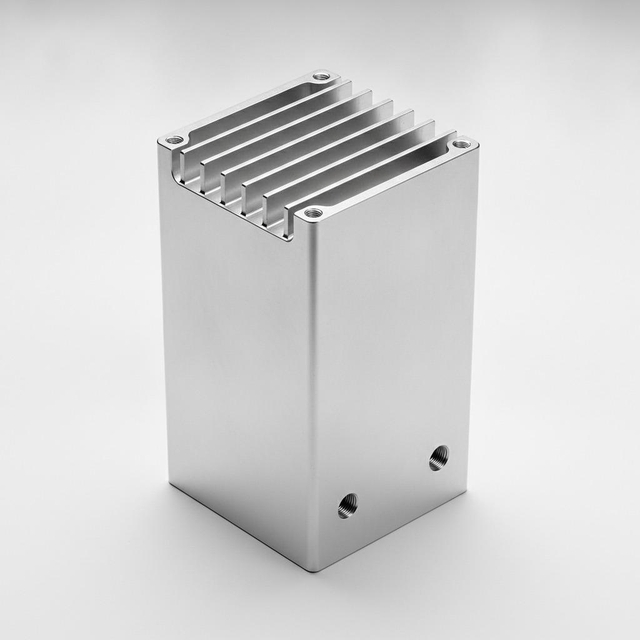
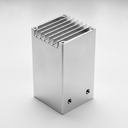
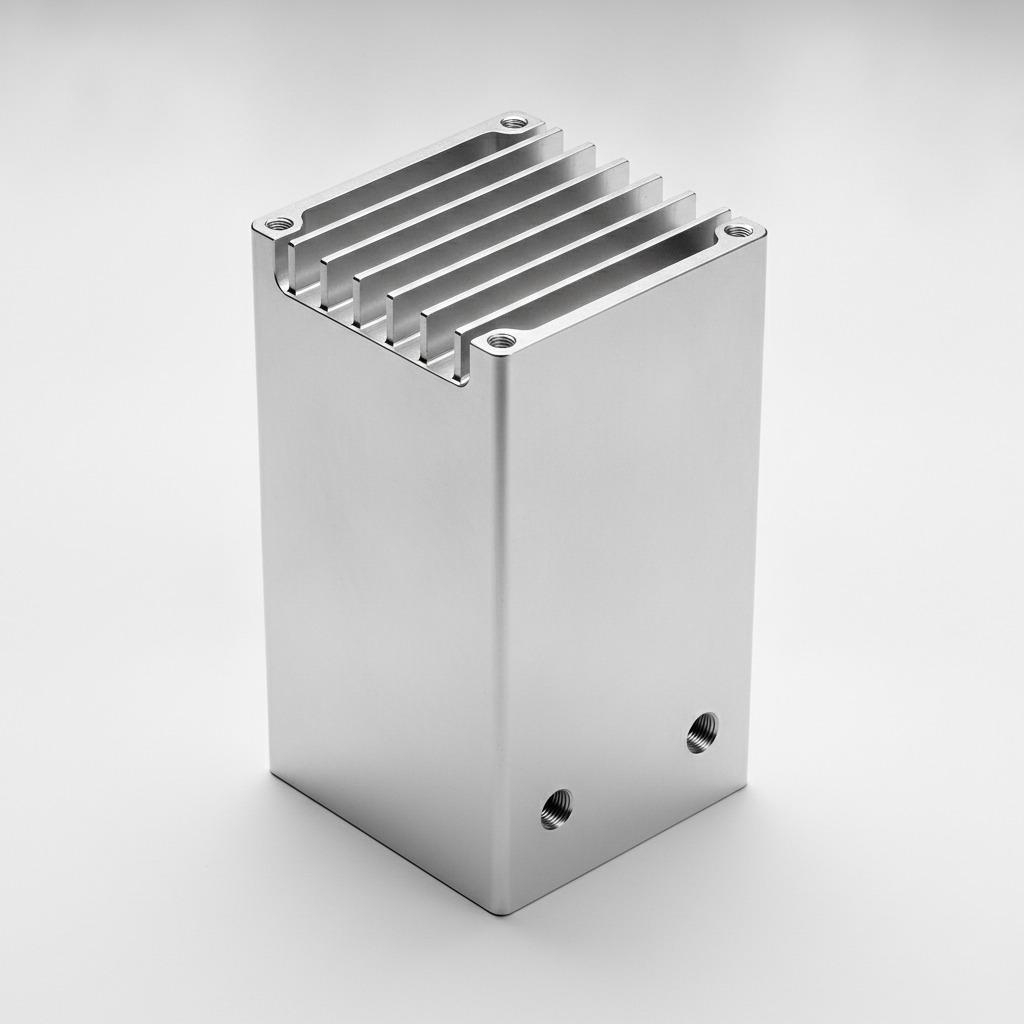
Alloy Steel Machined Parts are chosen when a buyer needs a component that combines controlled geometry, reliable fastening features, and stable performance in a demanding assembly. In thermal-management equipment, a machined metal body with fins and mounting holes helps solve a common problem: moving heat away from sensitive electronics while still fitting neatly into a compact enclosure. The part shown here is a CNC-machined heat sink with a finned structure, flat mounting faces, and visible threaded holes, making it suitable for assemblies that require both heat dissipation and precise installation.
Product Overview
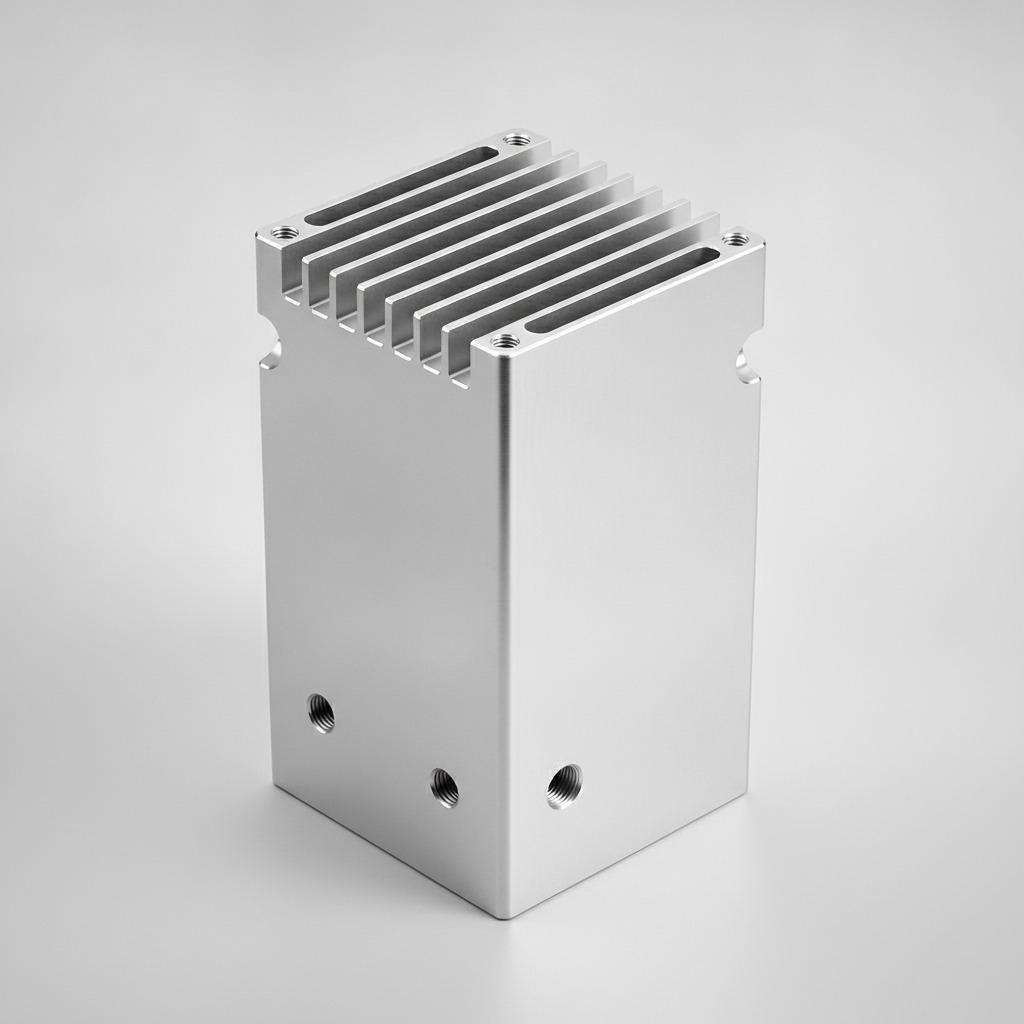
This component is a CNC-machined heat sink made from metal, with the visible appearance of aluminum or an aluminum alloy. The block-style body and parallel fins are designed to increase surface area so heat can transfer into the surrounding air more effectively. The flat top and base surfaces support stable mounting, while the threaded holes and side cutouts suggest integration into a chassis, housing, or electronic module.
Although the image shows a finned aluminum-style part, the same design approach is often relevant when buyers search for Alloy Steel Machined Parts for structural or precision-machined applications. The key expectation is the same: clean machining, repeatable dimensions, and features that support assembly without extra modification.
Key Specifications and Visible Capabilities
Structural Features
The part includes a rectangular body, a row of straight fins, a substantial base section, and multiple mounting points. The fins are evenly spaced and run in parallel, which is a practical layout for passive cooling in airflow-driven environments. The mounting holes appear to be threaded or prepared for fasteners, which simplifies installation and alignment.
Machining Characteristics
Visible tool marks and crisp edges indicate CNC machining on the main faces and hole features. The geometry suggests secondary operations such as drilling, tapping, facing, and edge cleanup. These are important when the part must fit tightly inside a machine or electrical enclosure.
Materials and Finish Options
From the image alone, the exact alloy cannot be confirmed. The visible finish is a silver-gray machined surface with a matte to brushed look. For related custom metal parts, buyers often consider aluminum alloys for thermal applications because they are lightweight and easy to machine. Alloy steel is more common when strength, rigidity, or wear resistance is a priority.
Finish options for machined parts may include deburring, natural machined finish, anodizing for aluminum, or other protective treatments depending on the service environment. Since no coating is visible here, any finish specification should be confirmed during inquiry.
Manufacturing Process
CNC machining is the most likely process for the visible block, hole patterns, and flat surfaces. Depending on the design, the finned section may be produced from solid stock, from a preformed extrusion, or by assembling separate sections; that cannot be verified from the photo alone. Typical steps for this type of part include material preparation, rough milling, precision facing, drilling, tapping, fin shaping, and deburring.
For buyers sourcing Alloy Steel Machined Parts or metal thermal components, process control matters as much as the final shape. Clean edges, consistent hole placement, and flat mounting surfaces reduce assembly issues and help the part seat properly against the mating component.
Application Scenarios
This style of heat sink is suitable for power electronics, motor drives, LED modules, inverter assemblies, control equipment, RF housings, embedded systems, and custom industrial devices. It is especially useful where passive cooling is preferred and where the assembly must be compact, rigid, and easy to mount. The visible fastening features also make it practical for chassis-based designs and modular equipment.
Quality Control Considerations
For buyers of machined metal parts, the main checks usually include hole position, thread quality, surface flatness, deburring, and visual consistency. In thermal parts, the fin spacing and fin straightness should also be reviewed because they affect airflow and assembly clearance. Jiangsu Yutong Drying Engineering Co., Ltd. states that it applies rigorous testing before shipping, which supports a quality-focused production approach for custom machined components.
Customization Guidance
When requesting custom Alloy Steel Machined Parts or a related finned metal component, buyers should clearly define the alloy, dimensions, thread type, hole locations, surface finish, and installation orientation. If the part will manage heat, it is also useful to specify the intended device, available airflow, and any mounting constraints inside the enclosure. That information helps the manufacturer select the right machining route and avoid unnecessary revisions.
Buyer Decision Factors
Before placing an order, review the material choice, weight target, thermal duty, machining complexity, and compatibility with the final assembly. For heat sinks, surface area and mounting precision are important. For Alloy Steel Machined Parts in general, dimensional stability, machinability, and post-processing options can influence both cost and performance. Confirm all critical dimensions early, especially for threaded holes and interface faces.
Request a Custom Quote
If you need a machined metal heat sink, a custom alloy steel component, or another CNC-machined part with precise mounting features, share your drawings, material preferences, and application requirements. A clear specification helps the supplier match the part to your enclosure, cooling target, and assembly method.