
Plastic Machined Parts for Enclosures, Mounts, and Precision Interfaces
Plastic Machined Parts are often chosen when a project needs a nonmetal component that fits accurately, supports internal assemblies, and keeps interfaces clean for ports, optics, airflow, or sensor paths. In OEM equipment, the main buyer problem is usually a combination of geometry, repeatability, and cost: the part must match a specific layout without adding unnecessary weight or corrosion risk. For that reason, machined plastic components and molded plastic housings are common in electronics, instrumentation, automation devices, and compact industrial assemblies.
Product Overview
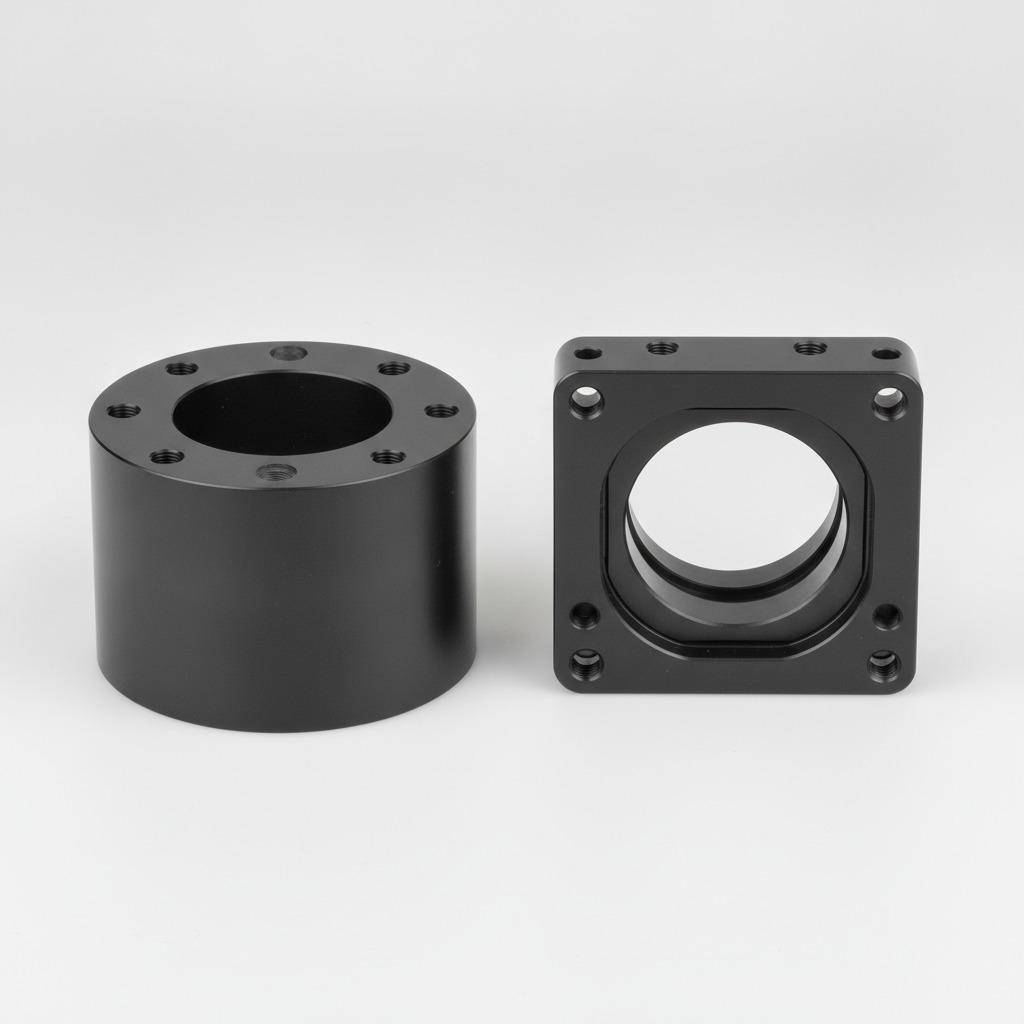
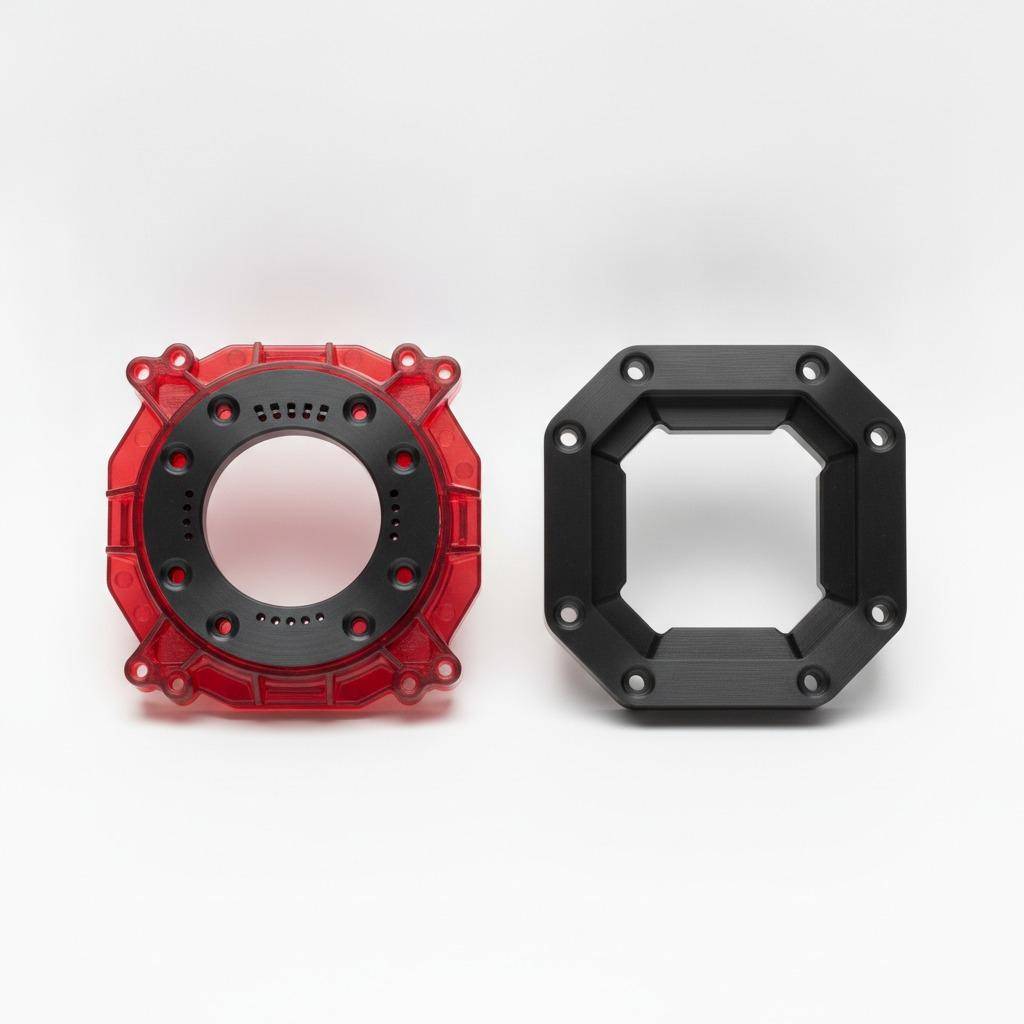
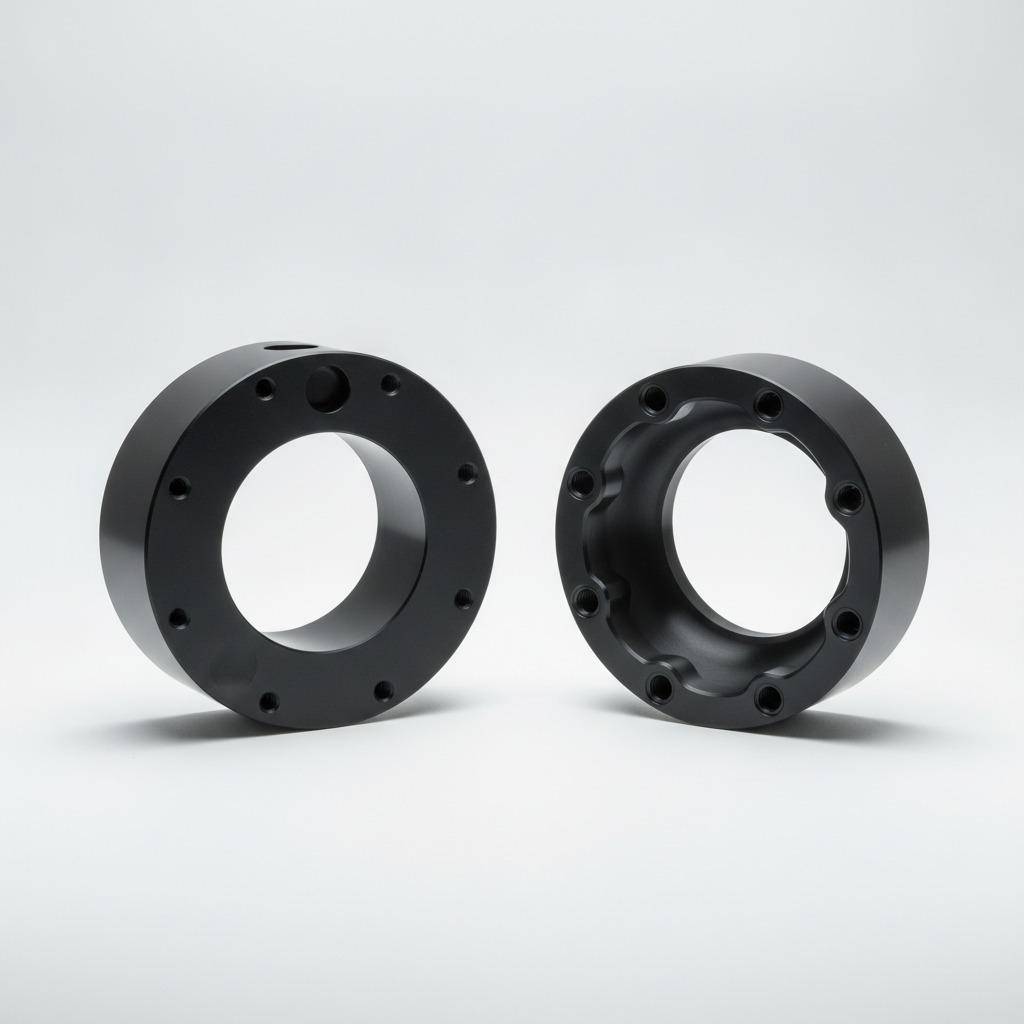
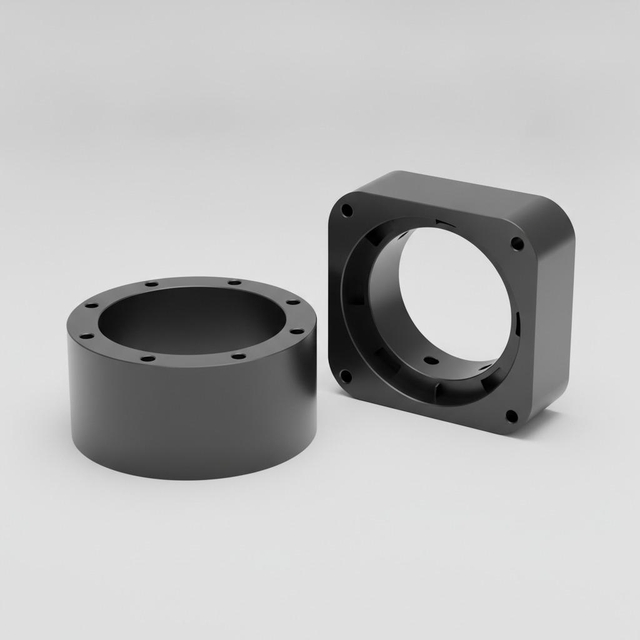
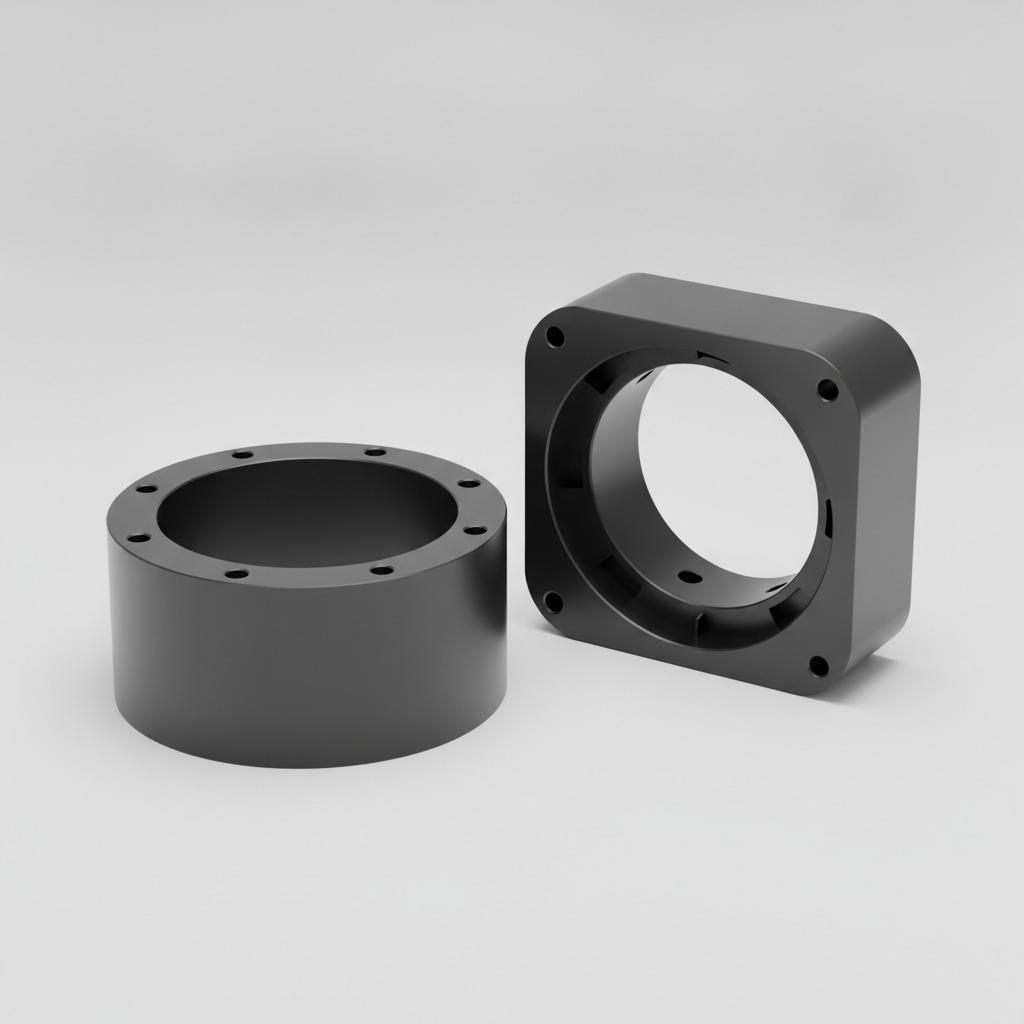
The visible parts in this product reference suggest two typical plastic component categories used in manufacturing. One is a molded plastic housing/casing with a translucent red body, reinforcing ribs, mounting bosses, and multiple functional cutouts. The other is a set of black ring or collar-type components that appear to be precision CNC-machined plastic parts with drilled holes, stepped cavities, and clean edges. Together, they represent the kind of parts buyers request when an enclosure must do more than cover internal components—it must locate, support, space, and connect them.
Jiangsu Yutong Drying Engineering Co., Ltd. focuses on industrial equipment and has broad manufacturing capability, which is useful when customers need related plastic or engineered parts for complete machine assemblies. While the company is best known for drying, mixing, granulating, evaporating, concentrating, and separating equipment, the same engineering mindset applies to custom structural components and interface parts.
Key Capabilities and Visible Features
Molded Housing Style Part
The red shell shows a complex contoured form with a central circular opening, several smaller holes, slots, and perimeter windows. The structure includes standoffs and ribs, which are typical in plastic parts designed to hold subcomponents and improve stiffness without excessive weight. The translucent or semi-translucent appearance suggests a material choice where light transmission or visual inspection may matter, but the exact resin is not identifiable from the image.
CNC-Machined Ring Components
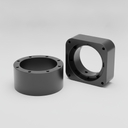
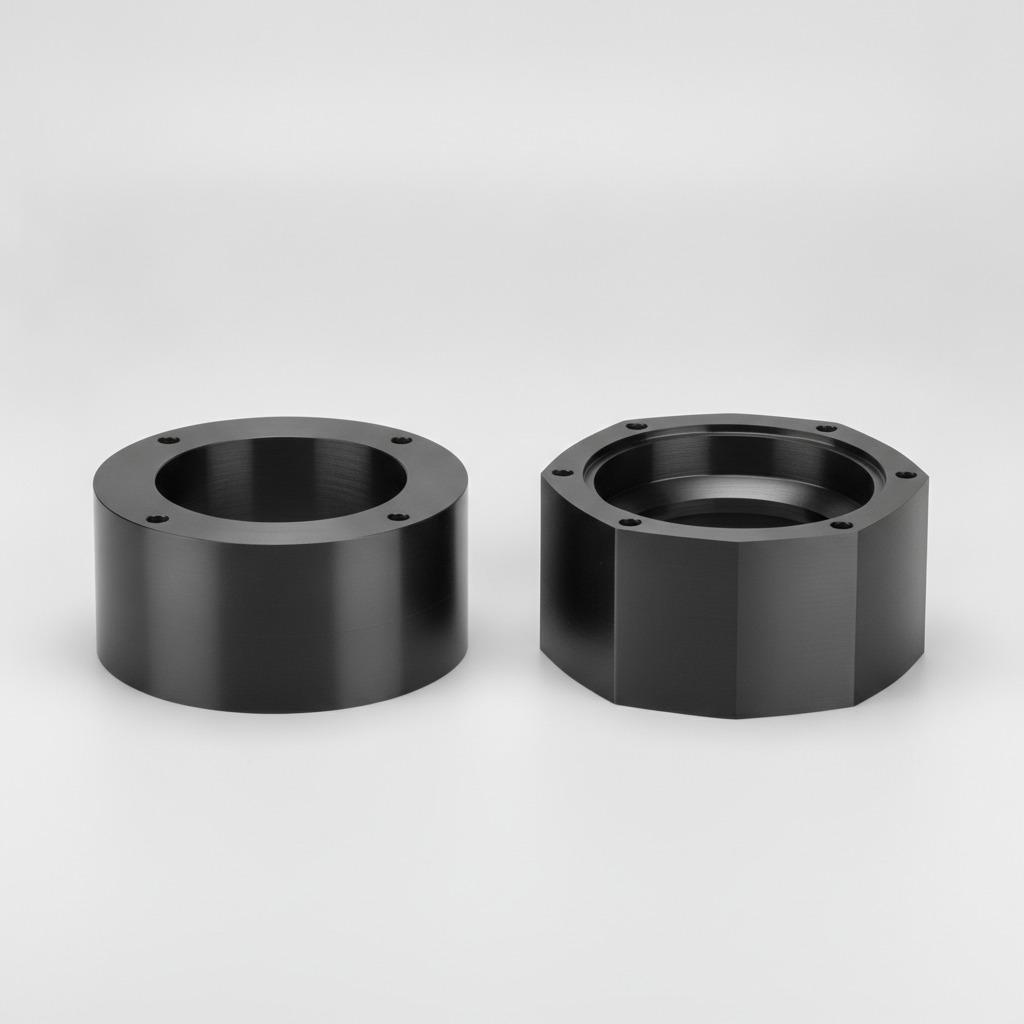
The black parts appear to be machined from engineering plastic. Visible details include circular geometry, stepped internal recesses, and accurately placed holes. These are the kinds of features buyers look for in a spacer, adapter, mount, or instrument interface. Precision machining is especially useful when a design calls for hole alignment, controlled stack-up, or a prototype part that may change during development.
Materials and Finish Options
The image shows a bright red translucent plastic body and black plastic rings with a matte to semi-matte finish. In production, similar parts can often be made from a range of engineering plastics depending on the application, such as general-purpose or higher-performance grades selected for rigidity, wear resistance, insulation, or dimensional stability. Exact polymer selection should be confirmed by the buyer’s drawing, working environment, and functional requirements.
Common finish targets for Plastic Machined Parts include smooth machined surfaces, clean edges, deburred holes, and controlled appearance on visible faces. Molded parts may also be specified with surface texture, color matching, or opaque/translucent appearance depending on product design.
Manufacturing Process
The red enclosure-like part strongly suggests injection molding, which is suitable for complex ribbing, repeated geometry, and integrated bosses. The black components are more consistent with CNC machining, especially where the geometry includes holes, internal steps, and edge-defined features. In a real production program, a buyer may use both processes in the same product family: molding for larger shells and machining for precision inserts, rings, or adapter pieces.
When a design moves from prototype to production, the process choice often depends on quantity, tolerances, and tool investment. Machining is flexible for small batches and engineering trials. Molding is usually better for repeat volume when the shape is stable and the part count justifies tooling.
Typical Application Scenarios
These kinds of parts are commonly used in consumer electronics, small appliances, lighting products, sensor modules, control panels, test fixtures, and handheld devices. The red housing example could serve as an internal shell or cover for a device requiring openings for controls, cables, light paths, or airflow. The black ring-style parts fit applications where a component must be centered, spaced, sealed, or mounted inside a larger assembly.
In industrial equipment, plastic machined components can also reduce corrosion concerns and simplify assembly in non-load-bearing or moderately loaded positions. They are often chosen where electrical insulation, chemical resistance, or reduced noise is desirable.
Quality Control and Inspection Considerations
For buyers sourcing Plastic Machined Parts, the key quality checks usually include hole position, overall contour accuracy, surface finish, fit with mating parts, and consistency from part to part. For molded housings, rib formation, boss integrity, sink marks, and gate-related cosmetic conditions may also matter. For machined rings, buyers often check hole alignment, edge quality, cavity depth, and whether the part assembles cleanly without stress.
Jiangsu Yutong Drying Engineering Co., Ltd. states that it uses rigorous testing before shipping, which supports customer confidence in controlled manufacturing and inspection. Exact test methods should still be confirmed in the purchase specification.
Customization Guidance for Buyers
When requesting a custom part, provide a 2D drawing or 3D model, the intended working environment, and the mating dimensions that matter most. Also define whether appearance, insulation, chemical exposure, vibration, or assembly speed is the priority. If the part must accept screws, inserts, seals, or light paths, those details should be shown clearly on the drawing.
For plastic machined or molded parts, the most useful buyer decisions are often not about shape alone. They include material choice, production method, volume, surface finish, and how tightly the part must interface with the surrounding assembly. A clear specification reduces rework and improves repeatability.
Why These Parts Matter in Product Design
Well-made enclosure and interface parts make assembly easier, protect internal components, and improve the reliability of the final device. A molded shell can consolidate many functions into one piece, while a CNC-machined plastic ring can deliver precise fit where accuracy matters more than complex styling. That combination is why Plastic Machined Parts remain important across prototype builds and production equipment.
Request a Custom Review
If you need a molded plastic housing, a machined plastic ring, or a custom enclosure component for an industrial or electronic assembly, share your drawing, target application, and quantity plan. Jiangsu Yutong Drying Engineering Co., Ltd. can review the structure, suggest a suitable manufacturing route, and help determine how the part should be built for practical assembly use.