
Plastic Machined Parts for Custom Enclosures, Rings, and Functional Plastic Components
Plastic Machined Parts are often chosen when a project needs a precise plastic component that can hold shape, support assembly, and fit around internal features without the delays of metal tooling changes. For buyers working on enclosures, mounting rings, instrument covers, or prototype housings, the main challenge is usually getting a part that matches the design intent while still allowing clean holes, pockets, and interfaces for screws, sensors, buttons, or rotating modules. This makes machined plastic a practical route for both functional prototypes and low-to-medium volume production.
Product Overview
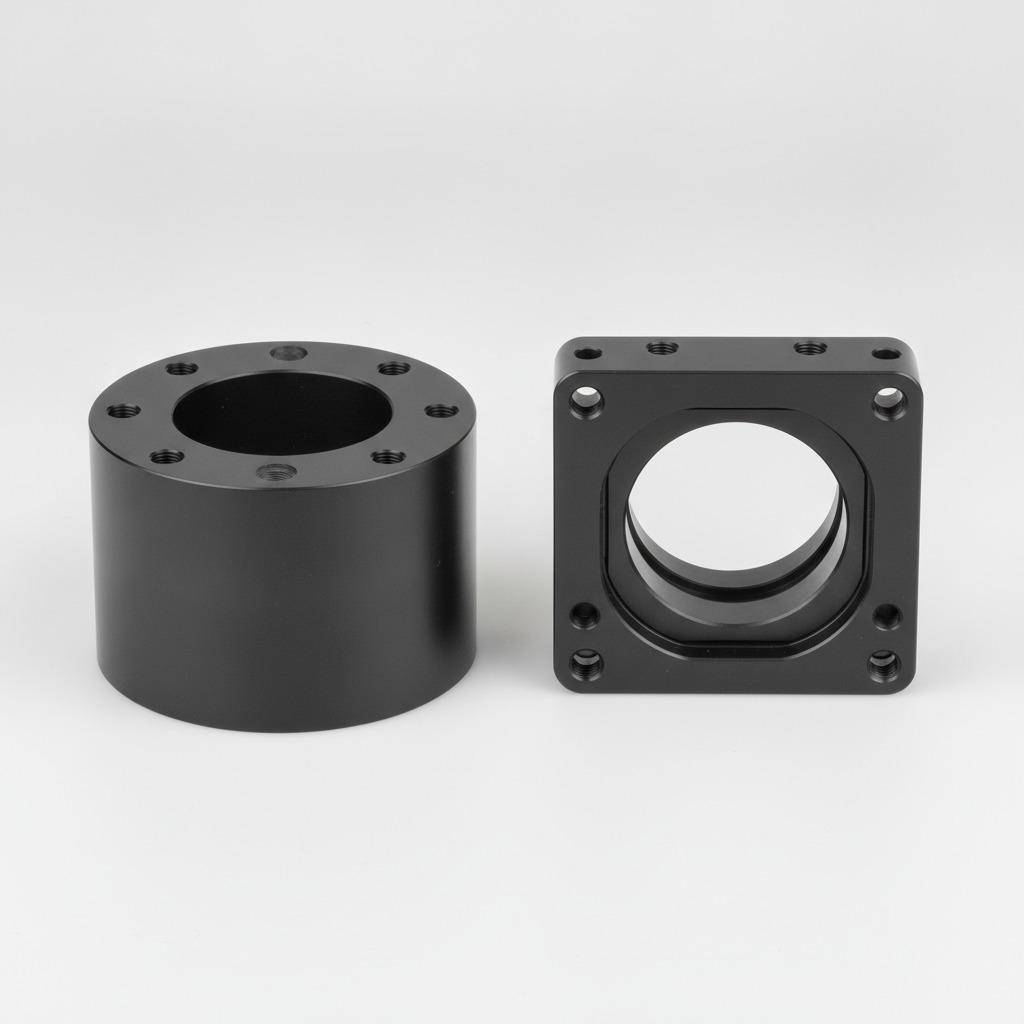
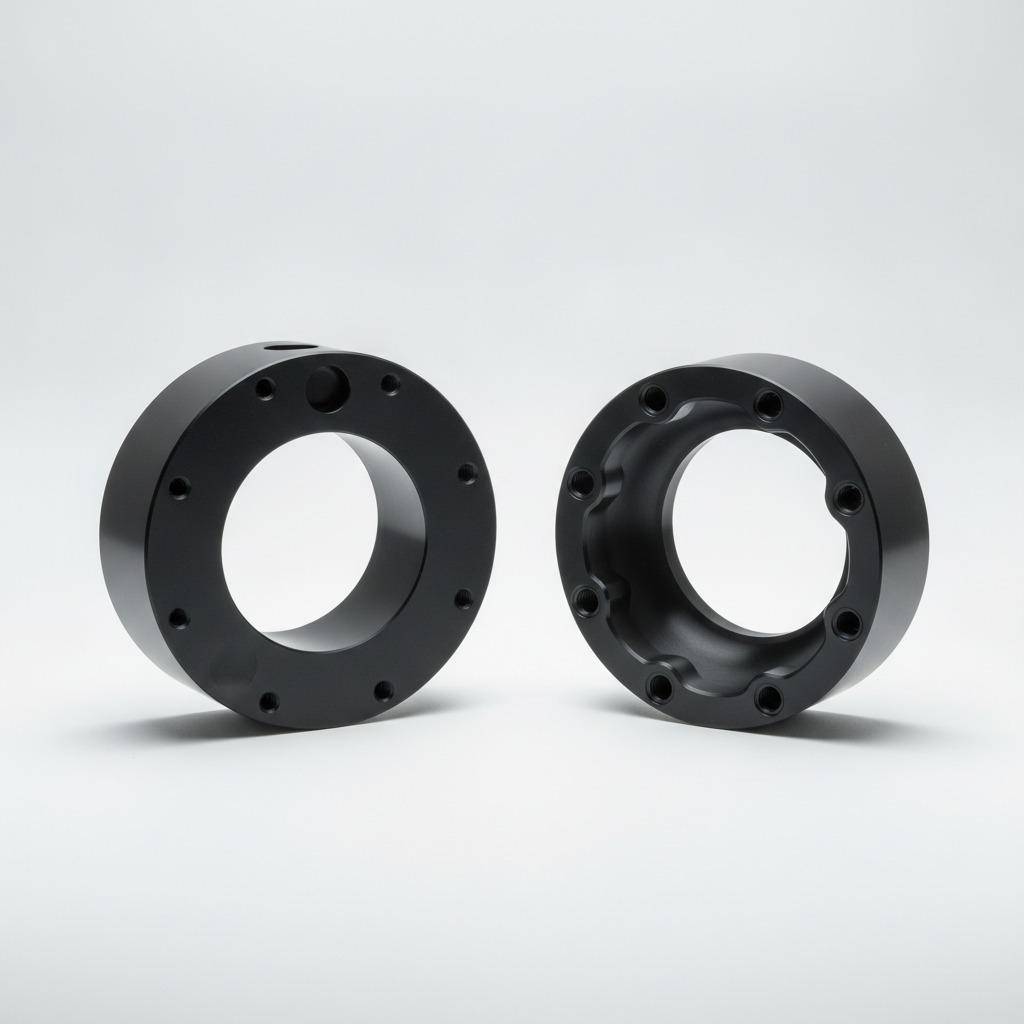
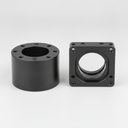
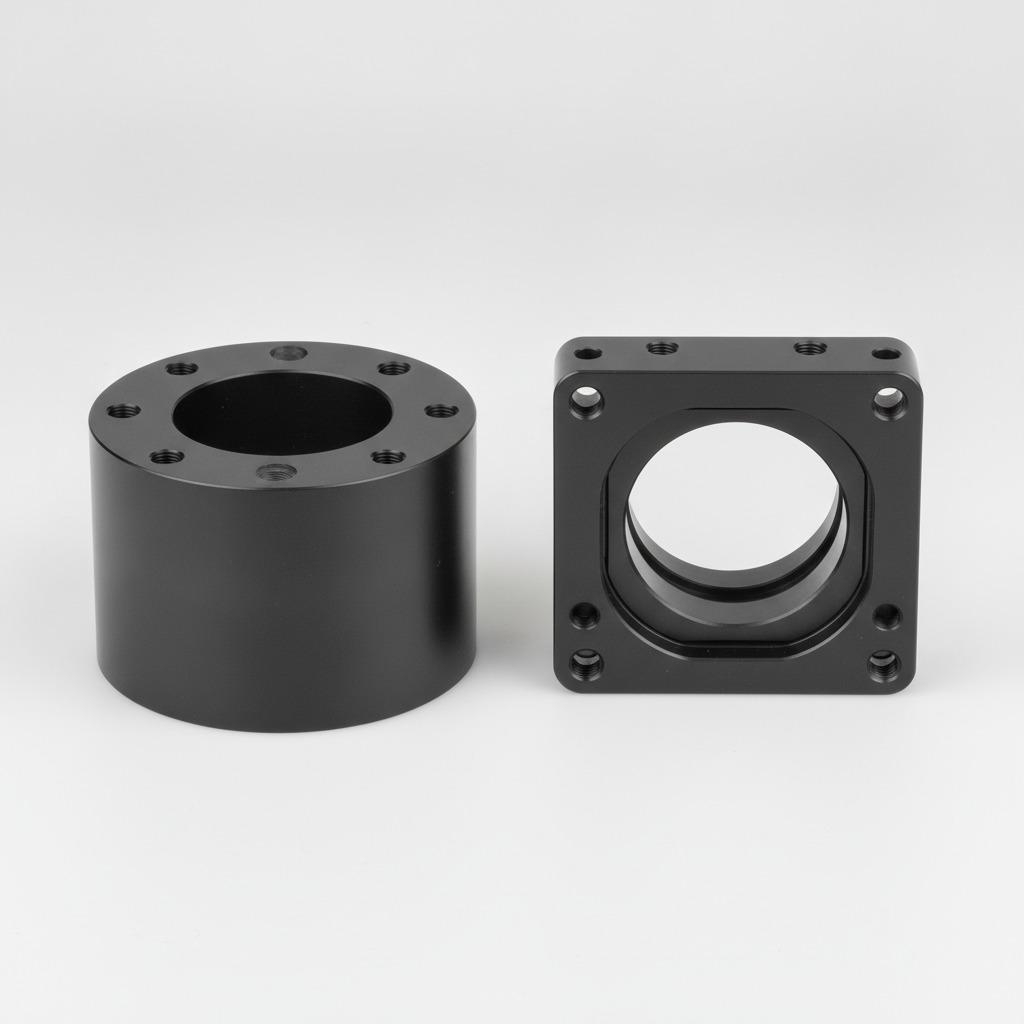
Based on the supplied product information, these parts include CNC-machined plastic ring and housing components with cylindrical geometry, drilled openings, and custom internal cavities. The visible examples show a dark matte finish, a central bore or recessed pocket, and several precision holes positioned around the top face. Such features are typical of components used as spacers, mounting housings, machine covers, fixture elements, or instrument-related plastic assemblies.
Because the exact resin is not provided, it is safest to describe the parts as custom plastic-machined components rather than naming a specific polymer. That flexibility is one of the main reasons buyers select this manufacturing route: the geometry can be adapted to the assembly, not the other way around.
Visible Specifications and Functional Features
Geometry and structure
The photographed parts show round outer profiles, a central opening, and reinforced wall sections. One part appears more ring-like, while another has a more faceted inner cavity. These shapes suggest use as structural or mounting parts where alignment matters and the part must locate other components accurately.
Machined details
Several drilled holes are visible on the top face, including positions that may be used for fastening, alignment, or set-screw style assembly. The consistent placement of these holes points to controlled machining rather than hand-cut modification. The internal pocketing also indicates that the component can be designed with access, weight reduction, or clearance in mind.
Surface characteristics
The parts have a dark black or charcoal appearance with a matte machined finish. In general, machined plastic surfaces can be left as-cut, refined through secondary finishing, or prepared for assembly depending on the application requirements.
Materials and Finish Options
Exact material selection depends on the operating environment. In plastic machining, buyers commonly specify engineering plastics based on stiffness, wear behavior, dimensional stability, electrical insulation needs, or chemical compatibility. The safe approach is to choose the resin after defining the part’s working conditions, not before.
Finish options may include standard machined texture, deburred edges, chamfered holes, polished surfaces, or light cosmetic cleanup. For visible housings, appearance can matter nearly as much as function, especially when the component is part of a consumer-facing or instrument-grade assembly.
Manufacturing Process
These components are suitable for CNC milling and turning from plastic stock. That process is valuable when a design needs precise bores, pockets, step features, and hole locations without investing in a mold. It is also useful for development runs where drawings may still change.
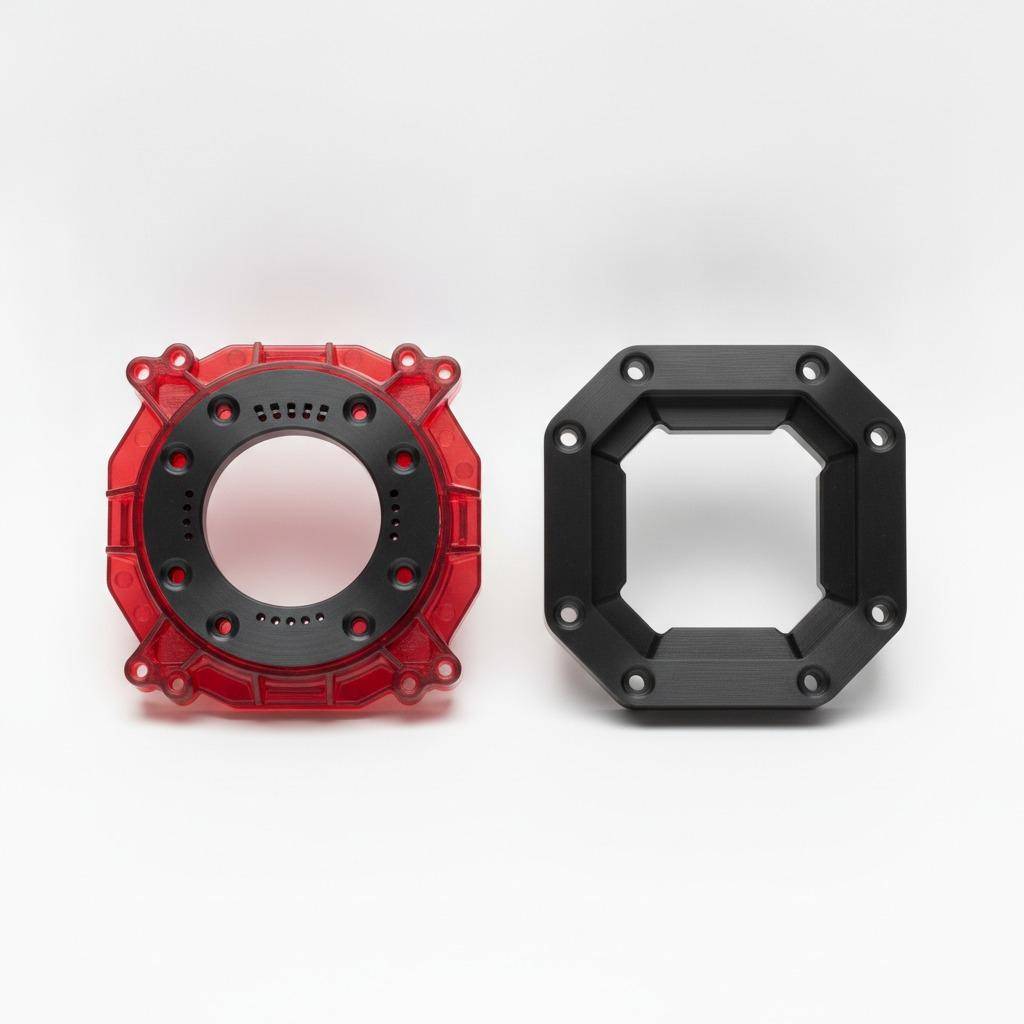
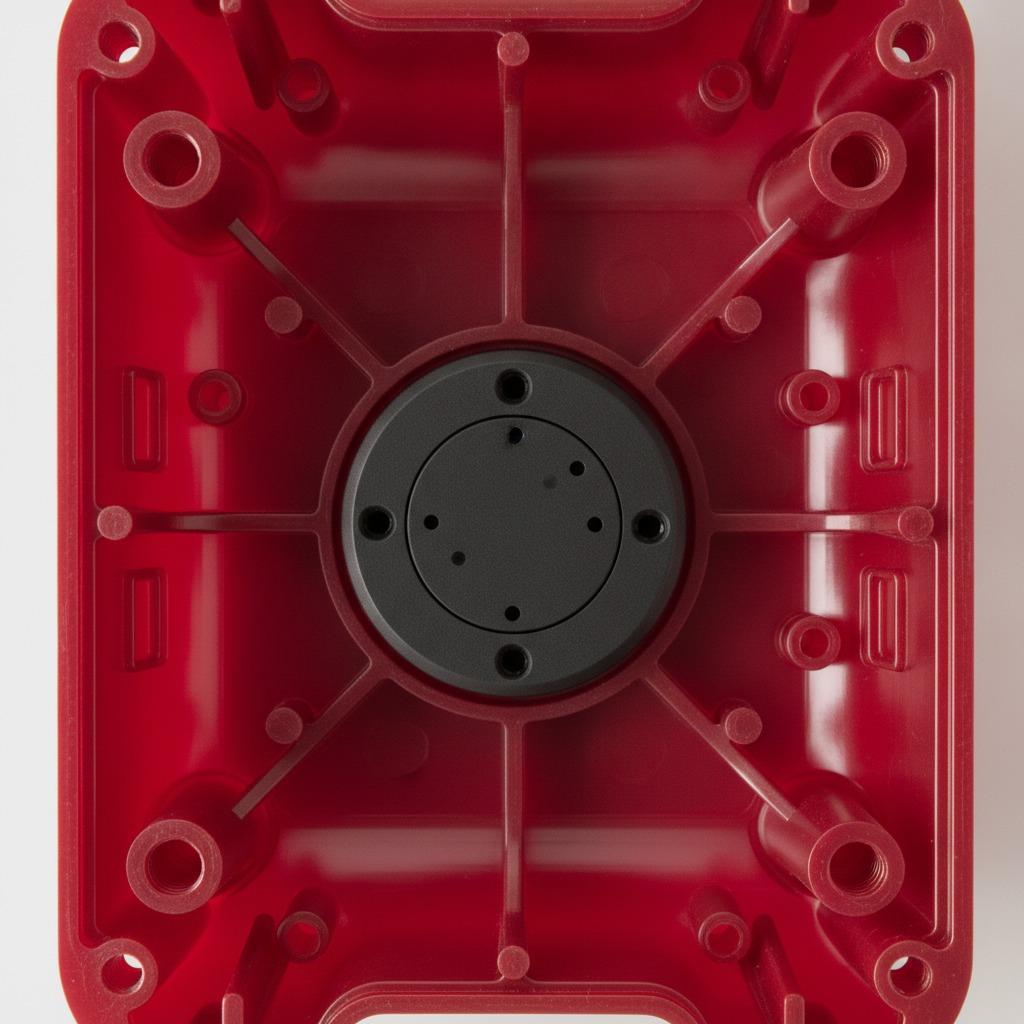
A typical workflow includes stock preparation, rough machining, finish machining, drilling, deburring, cleaning, and final inspection. If the part contains closely spaced holes or thin walls, process control becomes especially important to avoid deformation or breakout. For complex housings like the visible red enclosure style, injection molding is another possible route, but the black ring-style parts shown here are especially consistent with machined plastic production.
Application Scenarios
Plastic Machined Parts are used across many assemblies where metal would be unnecessary or too heavy. Common use cases include:
• machine covers and spacer rings
• sensor or instrument housings
• fixture components and positioning elements
• custom prototype enclosures
• appliance or electronic subassemblies
• components requiring cable openings, button access, or rotating interfaces
The visible red enclosure style also suggests use in products that need internal standoffs, screw bosses, and cutouts for ports or controls. Those design features help engineers combine protection and accessibility in one part.
Quality Control and Buyer Expectations
For machined plastics, quality control usually focuses on dimensional consistency, hole position, edge condition, surface defects, and part-to-part repeatability. Buyers should confirm which dimensions are critical, whether the part will be cosmetic or hidden, and how much clearance is available in the mating assembly.
Jiangsu Yutong Drying Engineering Co., Ltd. states that it operates with ISO 9001 quality management and conducts testing before shipment. For a buyer, that means the production workflow is organized around inspection and process discipline rather than one-off fabrication alone. Even so, the final acceptance criteria should still come from the drawing and application needs.
Customization Guidance
When ordering Plastic Machined Parts, it helps to define the following items clearly:
• preferred plastic material or required performance range
• overall dimensions and critical tolerances
• hole sizes, countersinks, counterbores, and thread requirements
• mating-part details such as snap fits, bosses, or alignment pins
• finish level, color preference, and cosmetic limits
• expected working environment, including temperature, load, and exposure conditions
Supplying a 2D drawing, 3D model, or reference sample usually shortens the review process and reduces revision risk.
How to Evaluate the Right Supplier
Buyers should look at machining capability, part complexity experience, inspection discipline, and responsiveness to drawing changes. If a project involves repeated holes, internal cavities, or functional interfaces, the supplier should be able to manage both geometry and consistency. Production capacity also matters for scaling from prototype to batch order.
Jiangsu Yutong Drying Engineering Co., Ltd. has broad manufacturing experience, an engineering team, and in-house production resources. While the company is known for drying and processing equipment, the same engineering mindset supports custom component work that requires controlled fabrication and practical assembly knowledge.
Request a Custom Review
If you need Plastic Machined Parts for a housing, ring, spacer, or functional plastic assembly, share your drawing, sample, or target application. A clear specification helps determine the right machining route, material choice, and finishing method. For parts with tight assembly requirements or multiple openings, early design review is the best way to avoid rework and improve fit on the first build.