
Plastic Machined Parts for Enclosures, Rings, and Precision Interfaces
Plastic Machined Parts help buyers solve a common manufacturing problem: how to create accurate, lightweight components that fit cleanly into an assembly without adding unnecessary metal weight or corrosion risk. In electronics, equipment housings, and mechanical fixtures, these parts are often used where the design needs mounting points, bores, openings, or insulating support surfaces that can be shaped more precisely than standard stock parts.
Product Overview
Plastic machined components can serve many roles in a finished product, from a structural spacer to a housing insert or a custom locating ring. Based on the visible parts provided, the application range includes a molded enclosure shell with ribs, bosses, and cutouts, as well as CNC-machined ring or spacer housings with central bores and multiple fastener holes. These parts are typically selected when the assembly needs controlled geometry, stable fitment, and clean interfaces for screws, shafts, covers, or internal modules.
Jiangsu Yutong Drying Engineering Co., Ltd. brings established manufacturing experience, engineering support, and in-house production capability to customized industrial parts and equipment. While the company is widely known for drying, mixing, granulating, evaporating, concentrating, and separating equipment, the same discipline in process control and fabrication supports precision component work for assemblies that require dependable fit and repeatable machining.
Visible Structure and Functional Features
Injection-molded enclosure style component
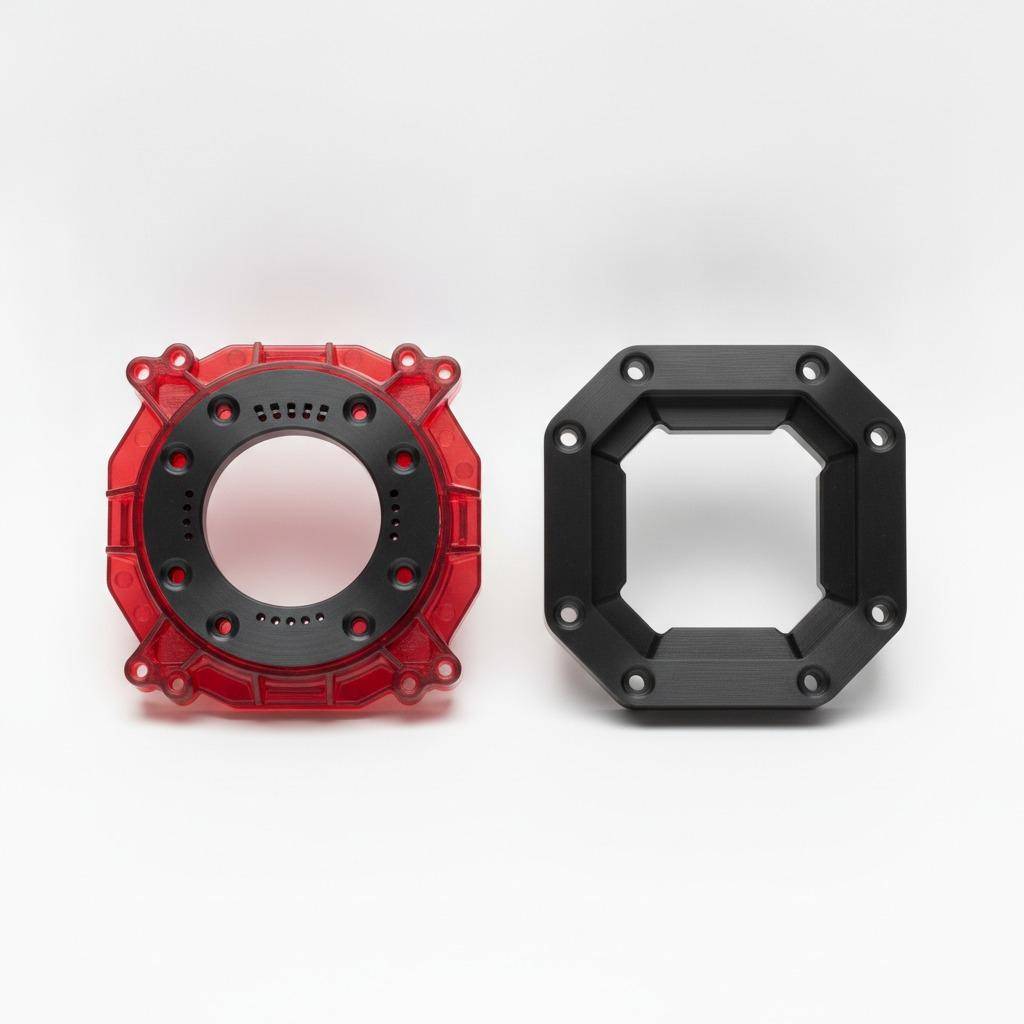
The translucent red housing shows a large irregular shape, molded reinforcing ribs, screw posts, and several apertures. A central black circular insert or plate is fixed into the assembly, with a hole pattern that suggests a mounting or interface function. Such geometry is typical of a shell designed to locate internal parts, support fasteners, and leave access for controls, wiring paths, or other subassemblies.
CNC-machined ring and spacer style parts
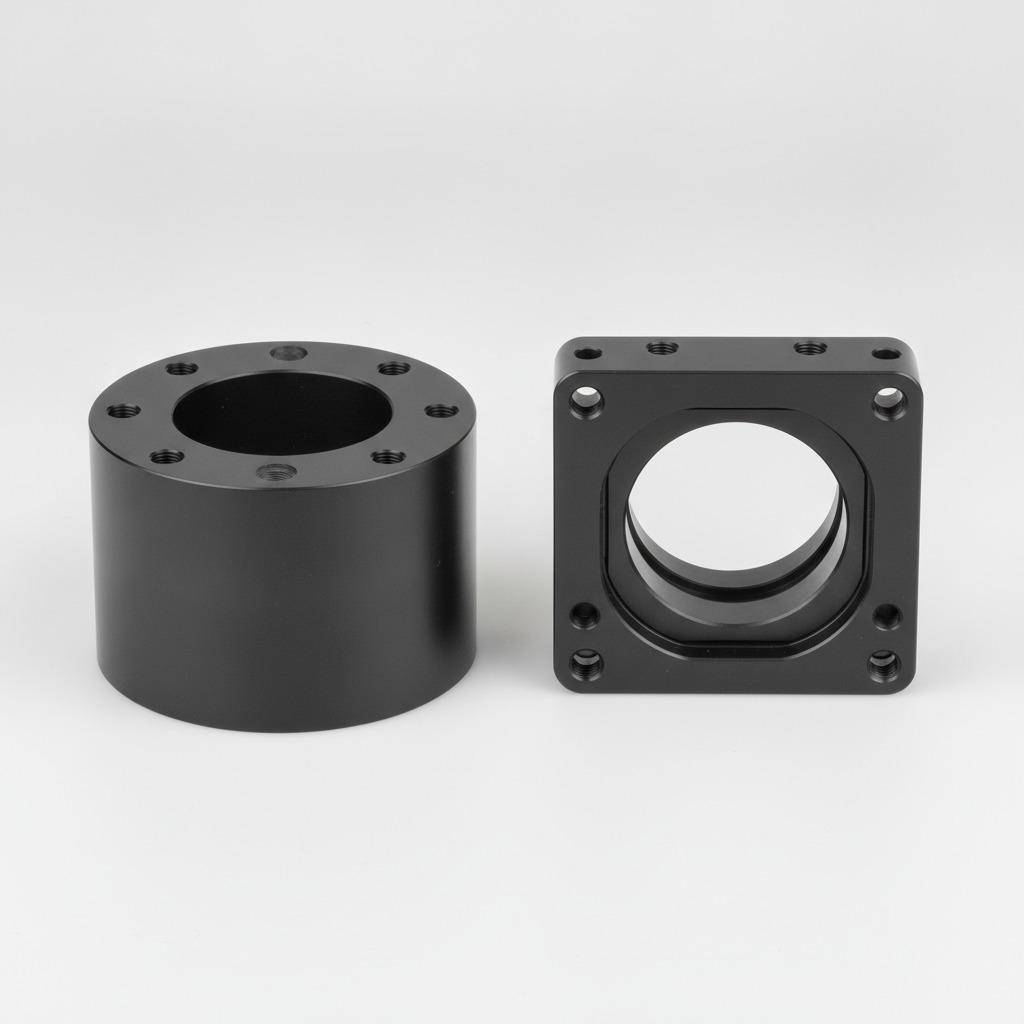
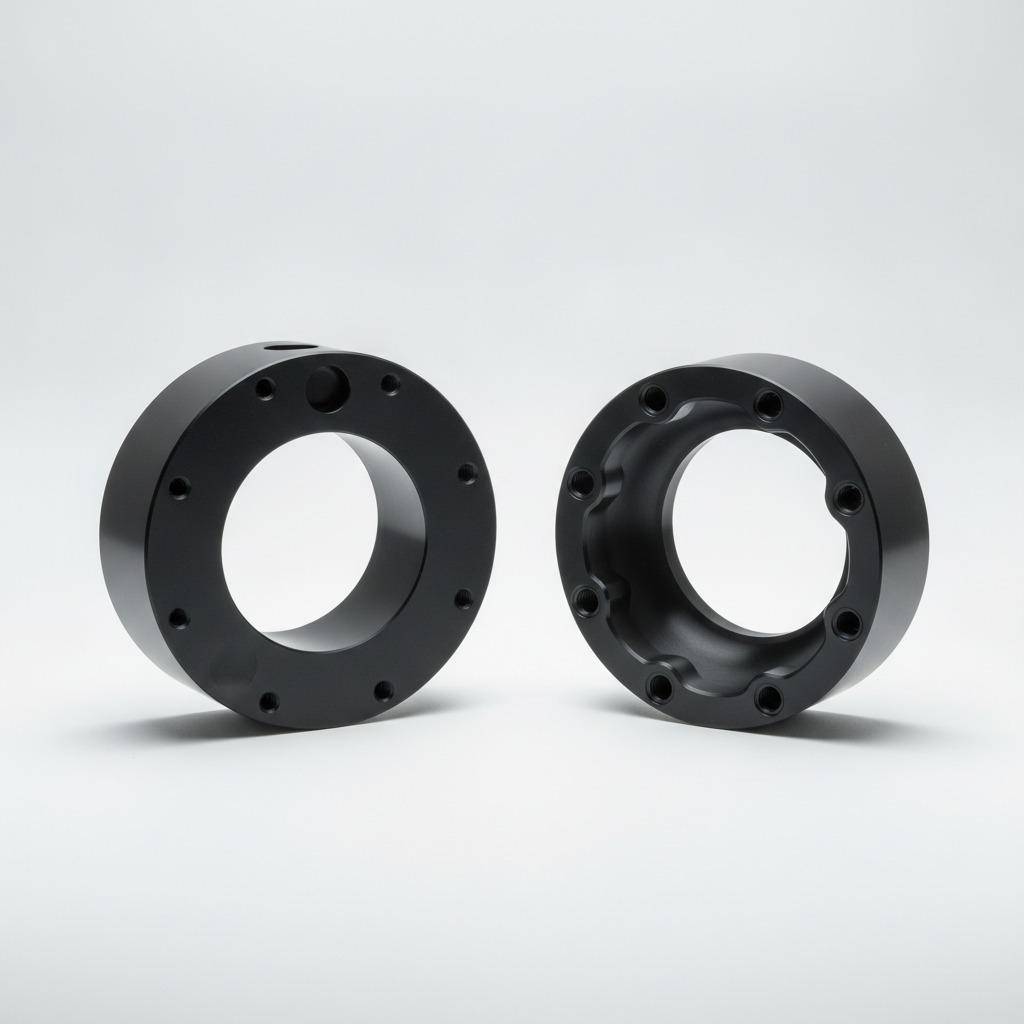
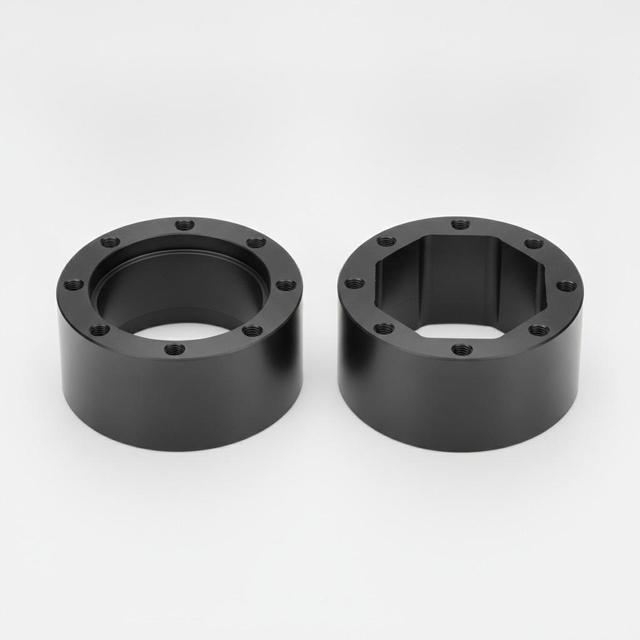
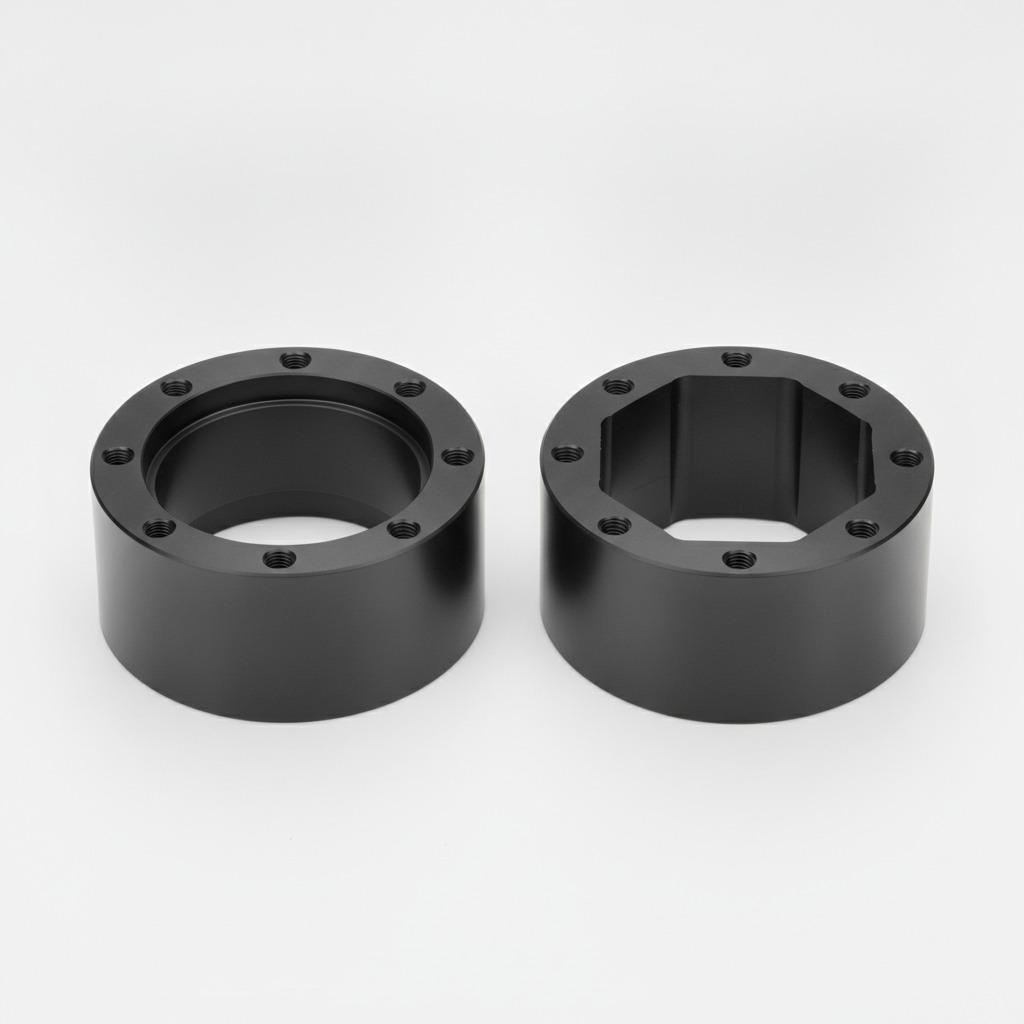
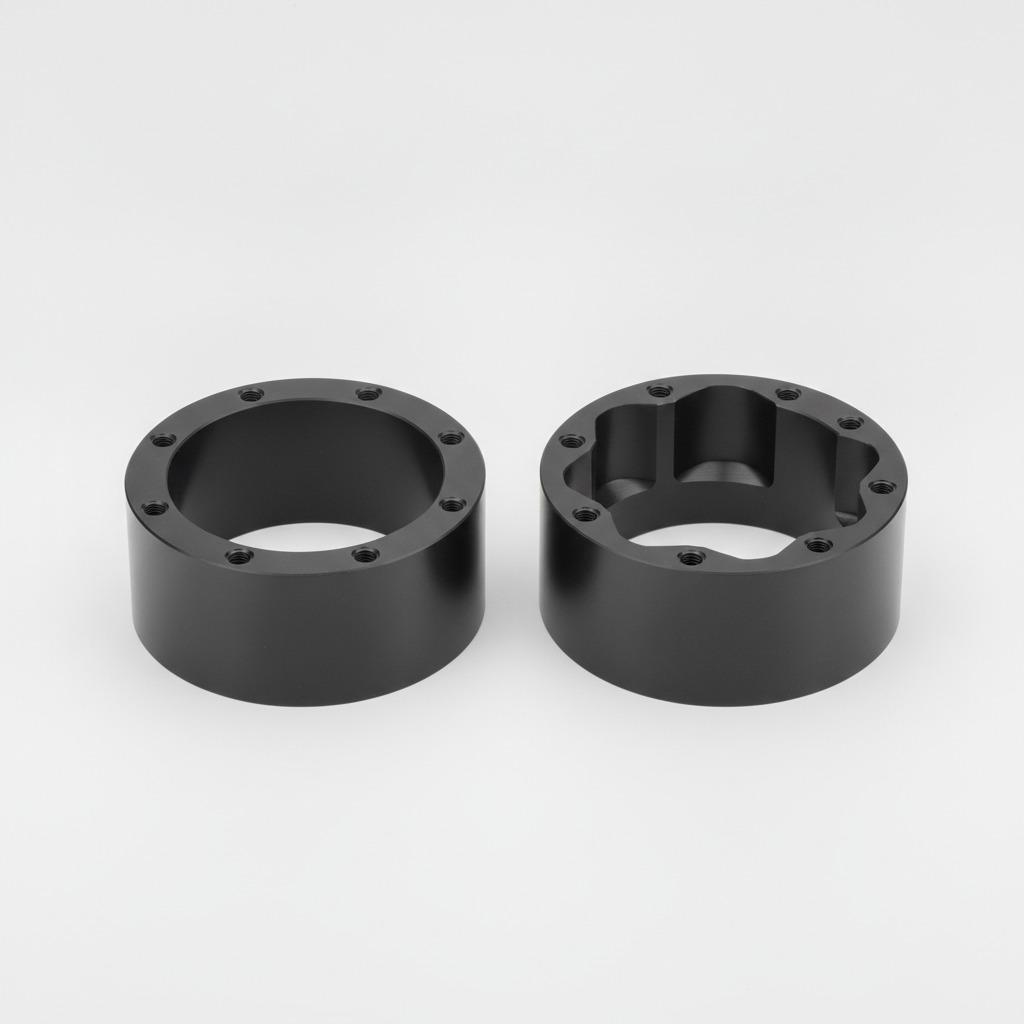
The black round components show clean machined edges, a central opening, and multiple drilled holes around the face or perimeter. One part has a stepped recess, while another presents a more polygonal inner cavity. This kind of geometry is useful in precision assemblies where a plastic part must act as a collar, adapter, insulator, spacer, or fixture element.
Key Specifications and Capabilities
Because exact dimensions and material grades were not supplied, the safest way to evaluate these Plastic Machined Parts is by their visible and functional characteristics:
• Large central bores or recesses for shafts, modules, or assembly alignment
• Multiple mounting holes for screws, pins, or locating features
• Reinforcing ribs and bosses for structural support
• Cutouts and openings for access, routing, or interface points
• Matte to satin surface finish on molded parts
• Clean machined surfaces and sharp interface edges on CNC parts
Materials and Finish Options
The visible molded shell appears to be a translucent rigid plastic, while the machined rings appear to be a dark engineering plastic. The exact resin cannot be confirmed from the image, so buyers should specify the performance requirements before selection. Common choices in this class of work often depend on whether the part must prioritize stiffness, insulation, machinability, wear behavior, or dimensional stability.
Finish can also vary by process. Injection-molded parts may show a matte or satin texture from the tool surface, while CNC-machined parts usually show smooth cut faces and crisp holes. If needed, custom finish requests may include deburring, edge smoothing, polishing of visible surfaces, or texture matching to surrounding components.
Manufacturing Process
These types of parts are usually made by injection molding, CNC turning, CNC milling, drilling, or a combination of these processes. The red housing is most consistent with injection molding because of the ribs, posts, and integrated cutouts. The black ring components show evidence of machining, especially around the bore, stepped surfaces, and hole placement.
In practice, the production sequence may include material preparation, forming, secondary machining for critical fits, deburring, inspection, and assembly if the part includes inserts or a separate central module. For buyers, the important point is not only the process itself but the consistency of hole location, bore size, and face flatness across repeated orders.
Application Scenarios
Plastic Machined Parts are widely used in consumer electronics, industrial controls, instrumentation, appliance assemblies, and non-metal fixtures. The visible housing style is suitable for enclosures, covers, and internal support structures where cutouts and mounting bosses are needed. The machined ring style is more suitable for precision interface parts such as spacers, collars, retainers, and insulating supports.
These components are especially useful when the design requires:
• Electrical isolation between parts
• Reduced weight versus metal alternatives
• Corrosion resistance in normal operating environments
• A custom fit for nonstandard assemblies
• Stable geometry for repeated fastening and alignment
Quality Control and Inspection Focus
Jiangsu Yutong Drying Engineering Co., Ltd. states that it conducts rigorous testing before shipping and operates under ISO 9001 quality management. For custom plastic parts, practical inspection usually focuses on hole position, bore roundness, wall thickness consistency, visible burrs, surface defects, and assembly fit. Buyers should ask for a clear inspection plan if the part interfaces with motors, sensors, shafts, control boards, or sealing elements.
Customization Guidance for Buyers
When requesting custom Plastic Machined Parts, it helps to provide the intended function first, then the geometry. Share the mating part, the required fastening method, the expected load direction, and whether the part must be insulating, visible to the end user, or hidden inside a machine. If the part will be molded, provide the parting-line priorities and any cosmetic surface requirements. If it will be machined, identify the critical bore, slot, or face that must be controlled most closely.
Useful details include CAD files, sample parts, hole pattern drawings, material preference, and assembly notes. If the black center module in the molded housing is a separate insert, confirm how it will be fixed: press-fit, screws, clips, or a combined structure. That prevents mismatch during pilot production.
Buyer Decision Factors
Before placing an order, evaluate the part by fit, process suitability, and repeatability rather than appearance alone. A good purchase decision depends on whether the design needs molded complexity or machined precision, whether the plastic must remain stable in service, and whether the hole pattern and bore sizes match the surrounding hardware. Buyers should also check how the part will be assembled and whether secondary operations are required.
Request a Quote
If you need custom Plastic Machined Parts for an enclosure, ring, spacer, or precision interface, Jiangsu Yutong Drying Engineering Co., Ltd. can support engineering-led manufacturing for industrial buyers. Send your drawings, sample photos, or fit requirements to start a review. The team can help assess whether injection molding, CNC machining, or a combined process is the better path for your application.