
Plastic Machined Parts for Enclosures, Rings, and Precision Mounting Components
Plastic machined parts are often chosen when a project needs a non-metal component with accurate geometry, stable fit, and good corrosion resistance. For buyers working on housings, spacers, collars, or internal support features, the main challenge is usually the same: the part must fit the assembly cleanly, protect nearby components, and hold alignment without adding unnecessary weight. That is where well-made plastic machined parts can solve practical design and production problems, especially in electronic, electromechanical, and instrument assemblies.
Product Overview
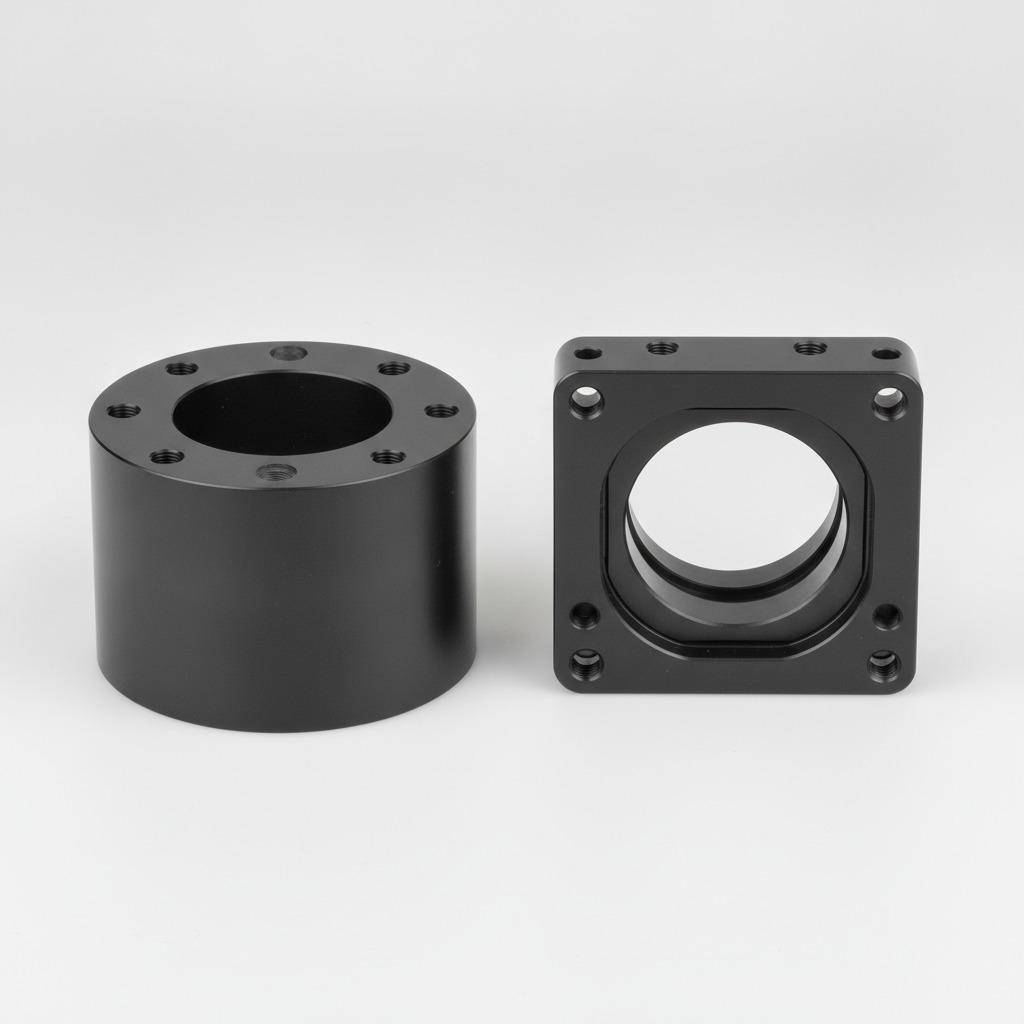
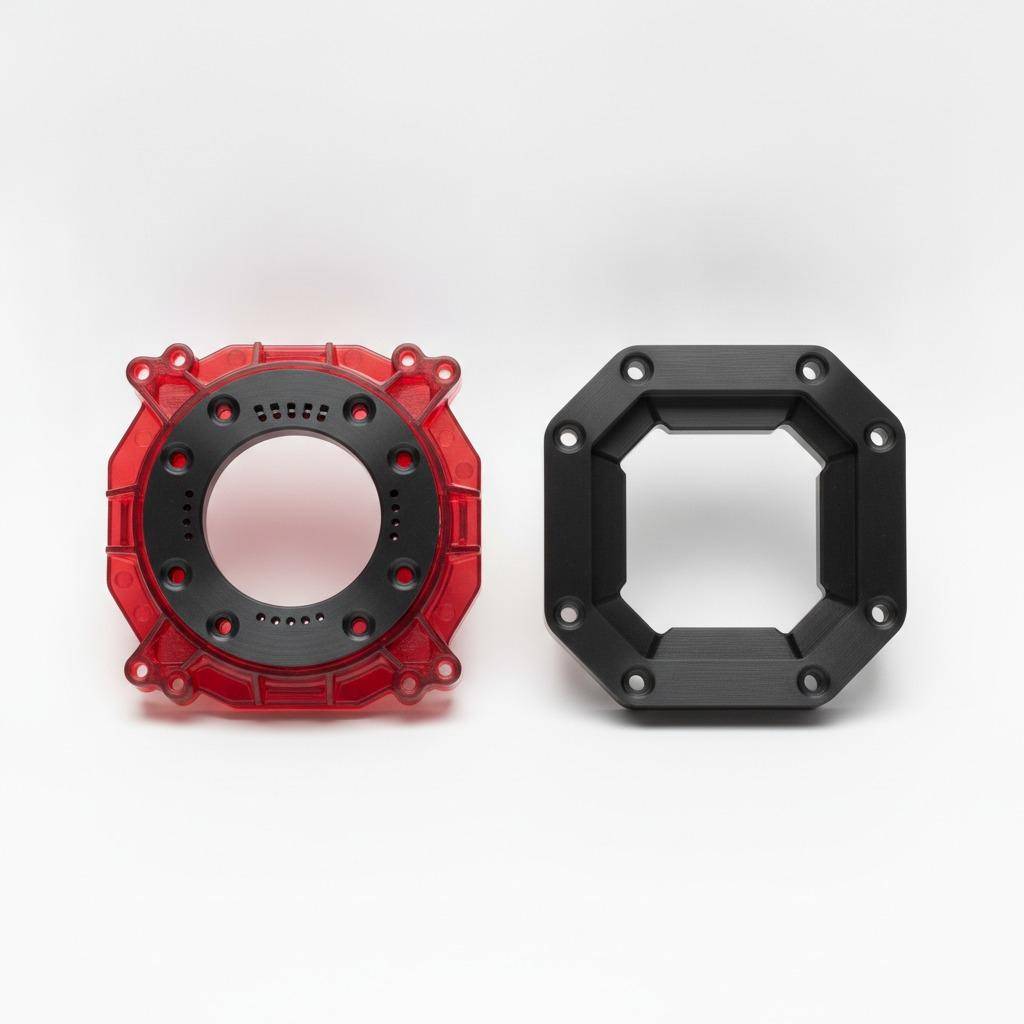
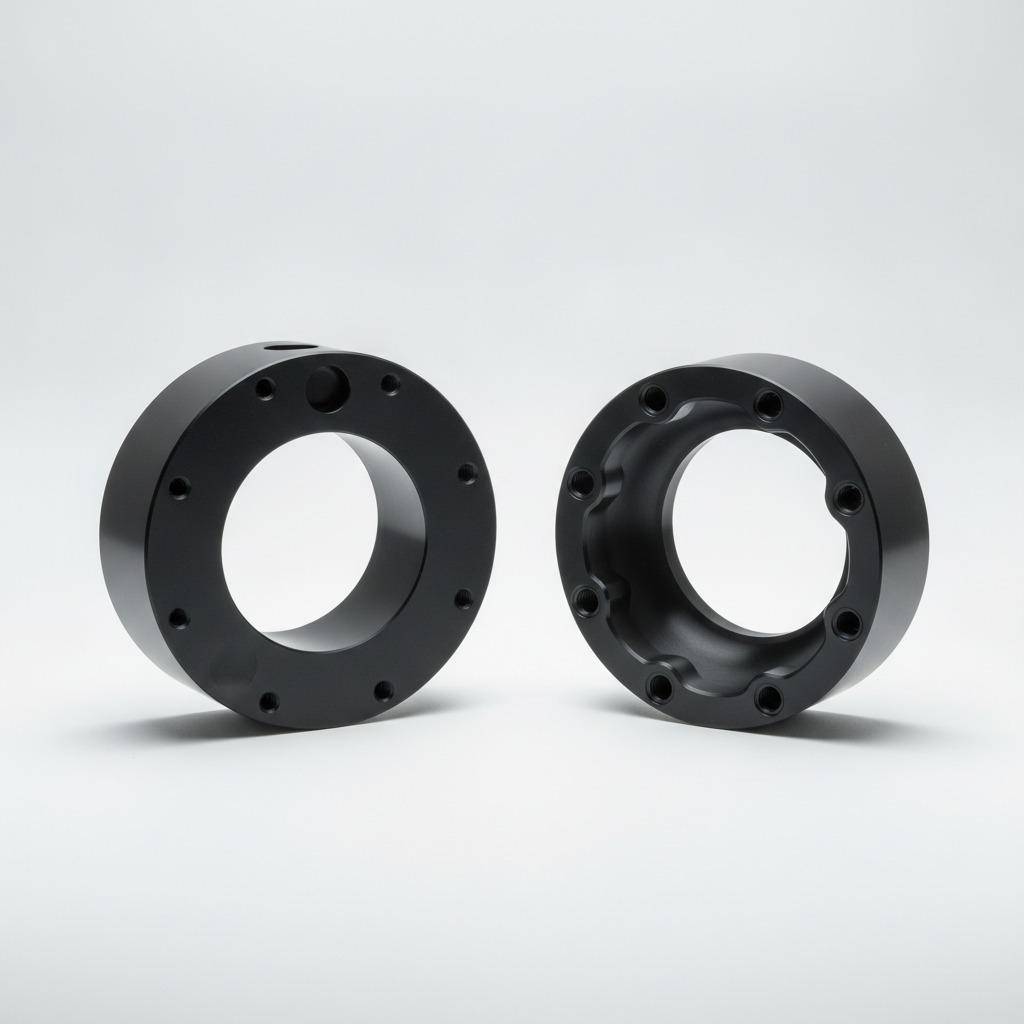
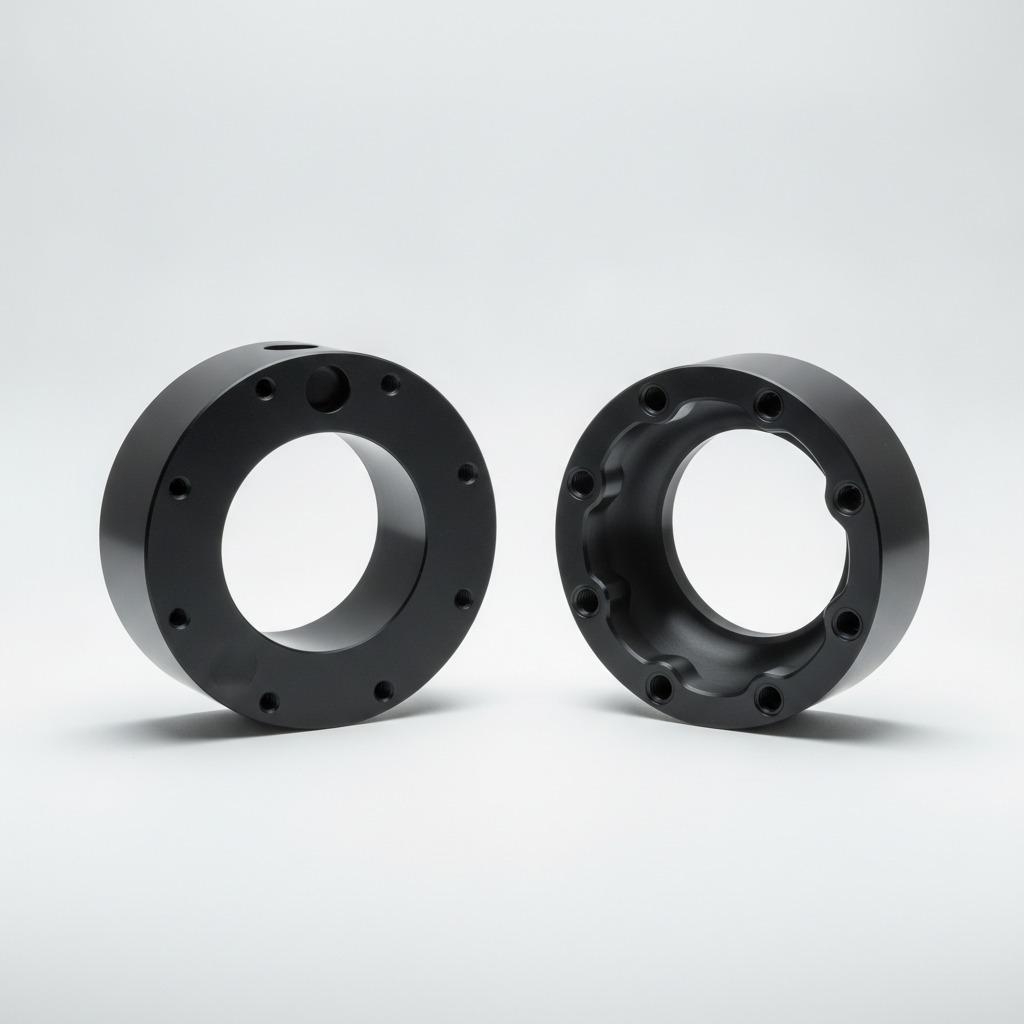
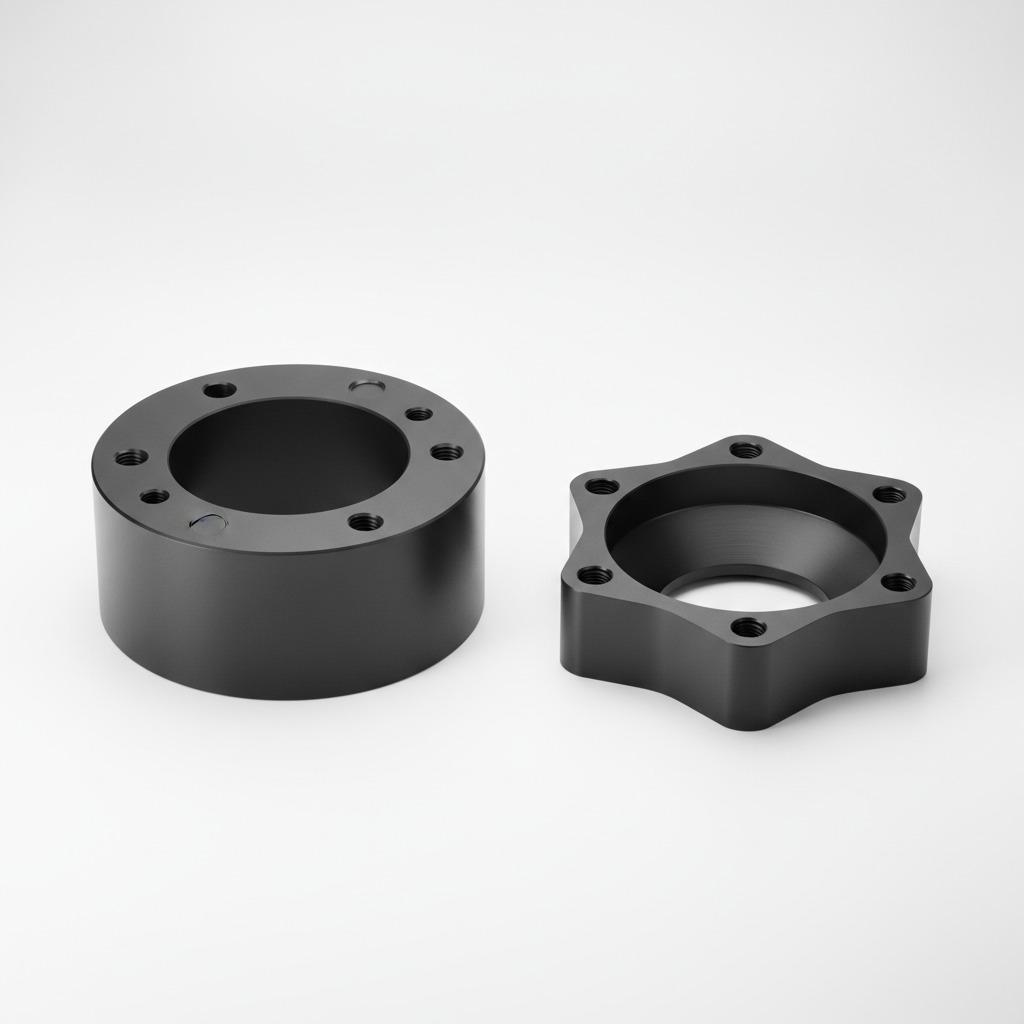
The visible parts in this reference include a molded plastic housing or cover component and two black ring-like machined parts. The red component appears to be an enclosure or shell with multiple ribs, screw bosses, and cutouts for access, mounting, and alignment. The black components look like CNC-machined plastic rings or spacer-style parts with drilled holes and shaped internal bores. Taken together, these examples show the kind of plastic components commonly used when a machine or device needs protection, support, and precise interface points.
In a finished assembly, parts like these may sit around sensors, buttons, displays, connectors, or internal mechanisms. They are not decorative pieces only; they help keep the structure organized, maintain spacing, and create reliable mounting zones.
Key Specifications and Functional Features
Because the exact dimensions and polymer grades are not provided, it is best to evaluate these parts by visible capability rather than assumed performance.
Visible structural features
The red housing shows multiple fastening bosses, locating posts, and perimeter openings. Those details suggest it is designed to receive screws, align internal modules, and allow access for other components.
The black machined rings show consistent wall thickness, clean cut faces, and multiple drilled holes. One part has a rounded internal bore, while the other has a more angular inner profile. That kind of geometry is useful when the part must register with another component or provide a custom mounting interface.
Typical functional roles
These parts may be used as:
mounting collars
mechanical spacers
sensor or lens holders
housing inserts
alignment rings
prototype support parts
custom enclosure subcomponents
Materials and Surface Finish Options
The exact polymer cannot be identified from the image alone, so no material grade should be assumed. In practice, plastic machined parts are often produced from engineering plastics selected for the application’s needs. Common considerations include stiffness, electrical insulation, machinability, wear behavior, and chemical resistance.
For finishes, the visible examples suggest two different surface styles:
The red housing has a smooth injection-molded appearance with a glossy to semi-gloss surface.
The black rings have a matte to satin machined finish with crisp edges.
Depending on the project, buyers may request different colors, textures, edge breaks, or secondary finishing steps such as deburring or surface cleanup.
Manufacturing Process
The red enclosure component is most likely produced by injection molding, since its geometry includes ribs, bosses, and integrated cutouts that are typical of molded housings. The black ring components appear more likely to be CNC-machined from plastic stock, based on their uniform cut surfaces and drilled features.
A typical production workflow may include:
material selection
toolpath or mold preparation
molding or CNC machining
hole drilling, tapping, or spot-facing if needed
deburring and edge inspection
fit verification before shipment
For mixed assemblies, a molded housing and machined inserts can be combined to meet both structural and interface requirements.
Application Scenarios
Plastic machined parts are used across many industries where metal is not necessary or where weight and insulation matter.
Common use cases include:
consumer electronics enclosures
control panel assemblies
handheld device housings
appliance modules
industrial instrument supports
custom machine fixtures
prototype and pre-production builds
The visible housing style also suggests use in devices that need internal visibility, access ports, or defined openings for buttons, indicators, vents, or connectors.
Quality Control and Buyer Considerations
When sourcing plastic machined parts, buyers usually focus on fit, repeatability, and consistency from lot to lot. Important decision factors include:
hole position and diameter consistency
flatness and concentricity where applicable
wall thickness and stiffness
assembly compatibility with screws, inserts, or pressed components
edge condition and burr control
visual quality for exposed surfaces
It is also important to confirm whether the part will be molded, machined, or produced as a hybrid assembly. That decision affects cost, lead time, and the level of dimensional control available.
For critical applications, drawings should clearly define the required dimensions, material, and any secondary operations. If the part will interact with electronics or optical elements, transparency, insulation properties, and surface cleanliness may also matter.
Customization Guidance
Custom plastic machined parts can be adapted by changing the bore shape, hole pattern, mounting features, color, or finish. Buyers should prepare:
2D drawings or 3D models
a list of critical dimensions
material preference if known
assembly photos or interface references
a note on whether holes are through-holes, tapped holes, or countersunk features
If the part is part of a larger enclosure, it helps to specify how it connects to neighboring metal parts, boards, lenses, or seals.
Why This Type of Component Matters
Well-designed plastic parts reduce assembly friction. They can separate conductive components, simplify mounting, and keep product weight under control. In many projects, the difference between a workable prototype and a reliable production part comes down to these small interface pieces.
Request a Custom Review
If you are developing a housing, spacer, ring, or enclosure component and need a manufacturable plastic part, share your drawing, sample, or assembly requirement. A clear specification helps determine whether molding, CNC machining, or a combined approach is the best fit for your project.