









130+ CNC centers | 24H production | Full-process QCWhatsApp: +86 18620239215
Contact Us
Precision CNC Milling Services | Custom CNC Milled Parts Manufacturer
3/4/5-Axis CNC Milling

Precision CNC Milling Services | Custom CNC Milled Parts Manufacturer

We provide on-demand custom CNC machining services, covering turning, milling, EDM, wire-cutting and other processes. We produce precision metal and plastic parts from prototype to mass production.

High-precision 3/4/5-axis CNC milling for custom metal & plastic components, from rapid prototyping to mass production.

  • 013-axis, 4-axis & 5-axis CNC milling capability
  • 02Complex geometry, deep cavity, irregular structure processing
  • 03Low volume prototyping & high-volume mass production
Drawing to production

We are trusted bypartners like

Lear APAC
Sangong Laser
Zhongyuan Electronics
CSIC
DR Laser
FiberHome
Lenovo
Raycus Laser
Guide Infrared
Partner
Lear APAC
Sangong Laser
Zhongyuan Electronics
CSIC
DR Laser
FiberHome
Lenovo
Raycus Laser
Guide Infrared
Partner
MILLING / OVERVIEW

Our Service Overview

We provide professional CNC milling services to produce complex, tight-tolerance custom machined parts. Equipped with advanced milling machines and strict quality inspection systems, we deliver durable, high-precision components for industrial, medical, automation and aerospace industries.

Digital machining envelope
Datum stabilityTool accessSetup reduction

Choose the machining route

Complex surfaces, angled features, deep cavities and multi-face precision relationships.

Motion
Three linear axes plus two rotary axes
Production value
Maintains one datum structure across multiple faces

TOLStrict tolerance control down to ±0.005mm

FINIn-house surface finishing to ensure consistent appearance & performance

CNC / MILLING

Our CNC Milling Capabilities

Multi-axis capability map

One capability table. Three machining strategies.

3 AXIS

Available route

4 AXIS

Available route

5 AXIS

Available route

Milling Axis

3/4/5 Axis

Tolerance Range

±0.005mm ~ ±0.05mm

Max Processing Size

1200*800*600mm

Surface Roughness

Ra 0.8μm – Ra 3.2μm

File Format

STEP, IGES, STL, DXF, DWG

Lead Time

3–5 days for prototypes, 10–15 days for mass production

MILLING / MATERIALS

Materials We Mill

Machining sample / selection reference

Light metals

Aluminum alloys

Selecting the right material is critical for part performance, cost, and durability. We provide a comprehensive library of plastics and metals, each verified for consistent quality. Our team offers expert guidance to match your design requirements with the ideal material, ensuring optimal strength, finish, and performance in the final application.

Engineering focus
Low weight, efficient machining, thermal transfer and finish-ready visible surfaces.
Compatible finish routes
Anodizing, blasting, conversion coating and painting
MILLED / PARTS

Surface Finishing for Milled Parts

At ZHD Precision, we provide a full range of CNC milling surface finishes that enhance both functionality and appearance, improving durability, resistance to corrosion, and aesthetics as part of our comprehensive CNC machining process.

Selected finish

Anodizing

Finish decision

Anodizing

A dedicated electrochemical oxidation process for aluminum parts. Classified into standard and hard anodizing, it forms a dense protective oxide film to enhance surface corrosion resistance and wear resistance.

Appearance
Protection
Performance
CNC / MILLING

Tolerances for CNC Milling

Tightest custom capability

±0.005mm

Metals

ISO 2768-m

Plastics

ISO 2768-c

CNC milling tolerances define how precisely part dimensions are controlled during machining.

Our precision CNC milling services follow ISO 2768-m for metals and ISO 2768-c for plastics, delivering stable, repeatable dimensional accuracy across 3-axis, 4-axis, and 5-axis CNC milling.

3-axis

±0.02–±0.05mm

Simple flat and prismatic parts

4-axis

±0.015–±0.03mm

Indexed rotational and side features

5-axis

±0.008–±0.02mm

Complex angled and multi-face relationships

FINISHED / MILLING

Finished Milling Components

Component family index

Selected component

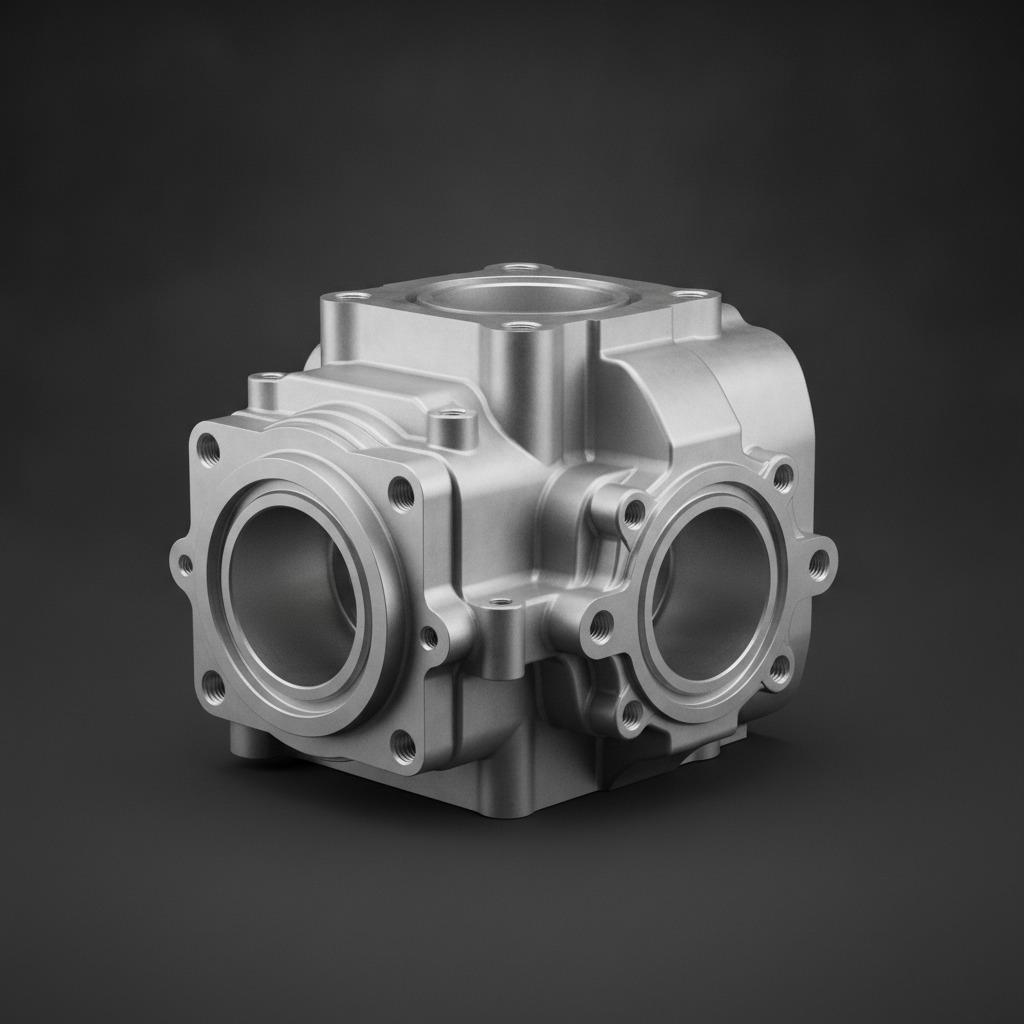
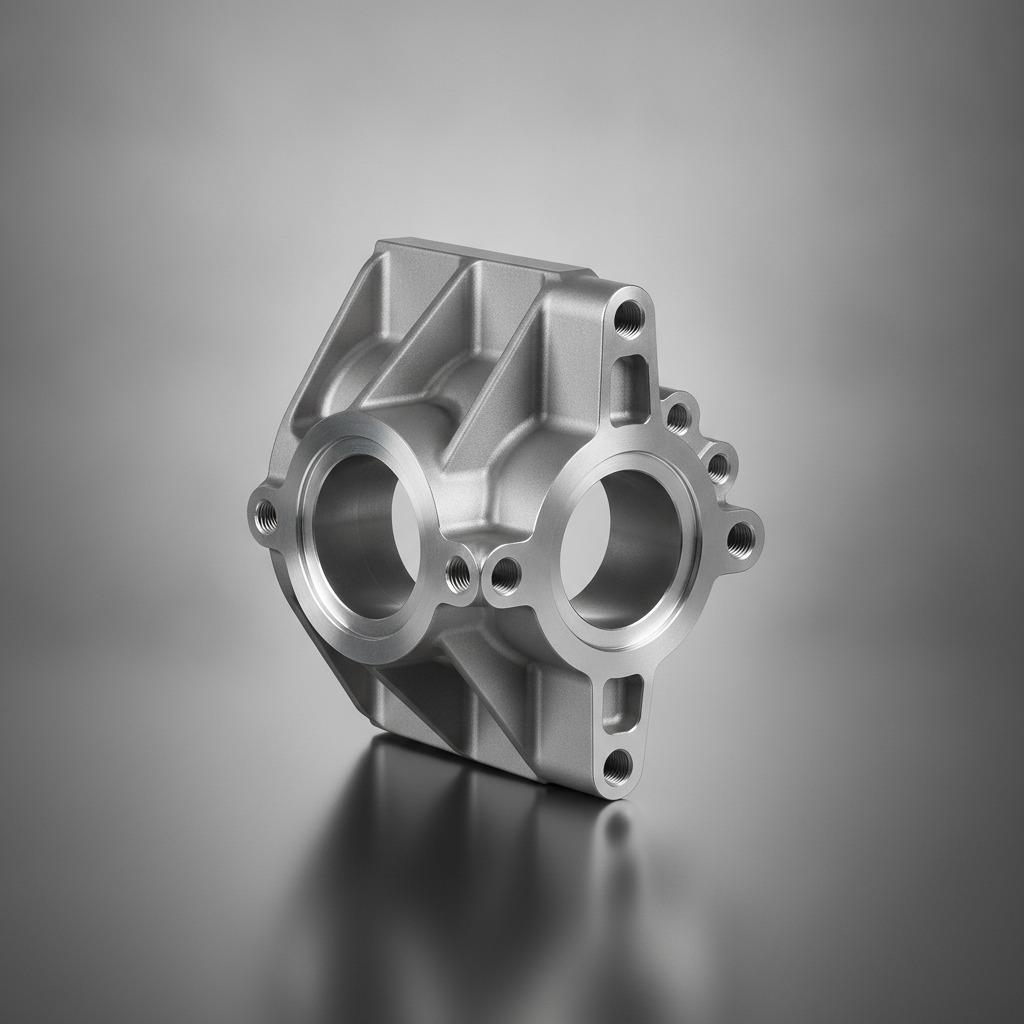
Aluminum Milled Housing

Equipment shells, enclosures, fixture parts

Process selection is reviewed around geometry, datum relationships, surface condition and the final assembly interface.

CNC / MILLING

CNC Milling Design Guidelines

WallInternal radius

Design chapter 1

Walls & internal geometry

Wall Thickness

1.5–3.0mm aluminum / 2.0–4.0mm steel

Maintain uniform wall thickness at 1.5–3.0 mm for aluminum parts and 2.0–4.0 mm for steel parts to avoid deformation and machining instability.

Internal Corners

R0.8–R1.5 minimum fillet

Avoid sharp internal corners; use minimum fillet radius ≥ R0.8–R1.5 to match standard end mill tools and reduce tool wear.
Cavity ratioHole depth

Design chapter 2

Cavities & drilled features

Cavity depth

Maximum recommended 3:1 depth-to-width

Limit deep and narrow cavities; keep the depth-to-width ratio no more than 3:1 to prevent tool deflection, vibration and poor surface finish.

Hole Depth

Standard drilling within 5:1 depth-to-diameter

Design hole depth with depth-to-diameter ratio within 5:1 for standard drilling; deeper holes require step drilling or special tooling.

Slot widthUndercut access

Design chapter 3

Tool access & special features

Feature and Slot Width

Minimum feature or slot width 1.0mm

Keep minimum feature width and slot width ≥ 1.0 mm, compatible with standard 1mm–6mm CNC cutting tools for stable machining.

Undercut Features

Reduce undercuts deeper than 5mm

Reduce unnecessary undercut features deeper than 5 mm to avoid extra 4-axis or 5-axis processing and extra production cost.

Finish allowanceCurved geometry

Design chapter 4

Finishing & complex surfaces

Surface Treatment Allowance

Reserve 0.05–0.15mm for finishing

Reserve surface treatment allowance of 0.05–0.15 mm for anodizing, plating and powder coating to guarantee final dimension tolerance.

Curved Structures

Simplify radii smaller than R3 where possible

Simplify complex curved structures with radius smaller than R3 where possible to lower processing difficulty, cost and lead time.

Share the CAD model before release so wall thickness, radii, tool reach, finishing allowance and datum strategy can be reviewed together.

Request a Milling DFM Review
PROCESS

ZHD Precision Working Process

A controlled production workflow for Precision CNC Milling Services | Custom CNC Milled Parts Manufacturer, from engineering review and task preparation to final inspection and delivery.

  1. Gate 01

    Production Task

    Confirm the Precision CNC Milling Services | Custom CNC Milled Parts Manufacturer requirements, review drawings, prepare inspection tools and arrange the required materials before production starts.

  2. Gate 02

    Master Sample

    Create and verify a qualified master sample for Precision CNC Milling Services | Custom CNC Milled Parts Manufacturer. Mass-produced parts are manufactured and inspected against the approved sample standard.

  3. Gate 03

    First Article

    Technicians and operators verify the first article, then QC confirms dimensions, appearance and key requirements before batch production continues.

  4. Gate 04

    Self-inspection & Patrol Inspection

    Operators and QC staff perform regular checks during Precision CNC Milling Services | Custom CNC Milled Parts Manufacturer. Any issue is reported, isolated and handled promptly to keep the process stable.

  5. Gate 05

    Qualified Parts

    Approved parts move into the warehouse or next process according to the production plan, with records kept for traceability.

  6. Gate 06

    Final Inspection

    Only parts that pass final inspection, documentation review and packing confirmation are released for delivery.

Precision CNC Milling Services | Custom CNC Milled Parts Manufacturer Articles

Read recent technical articles related to this service before preparing your RFQ.

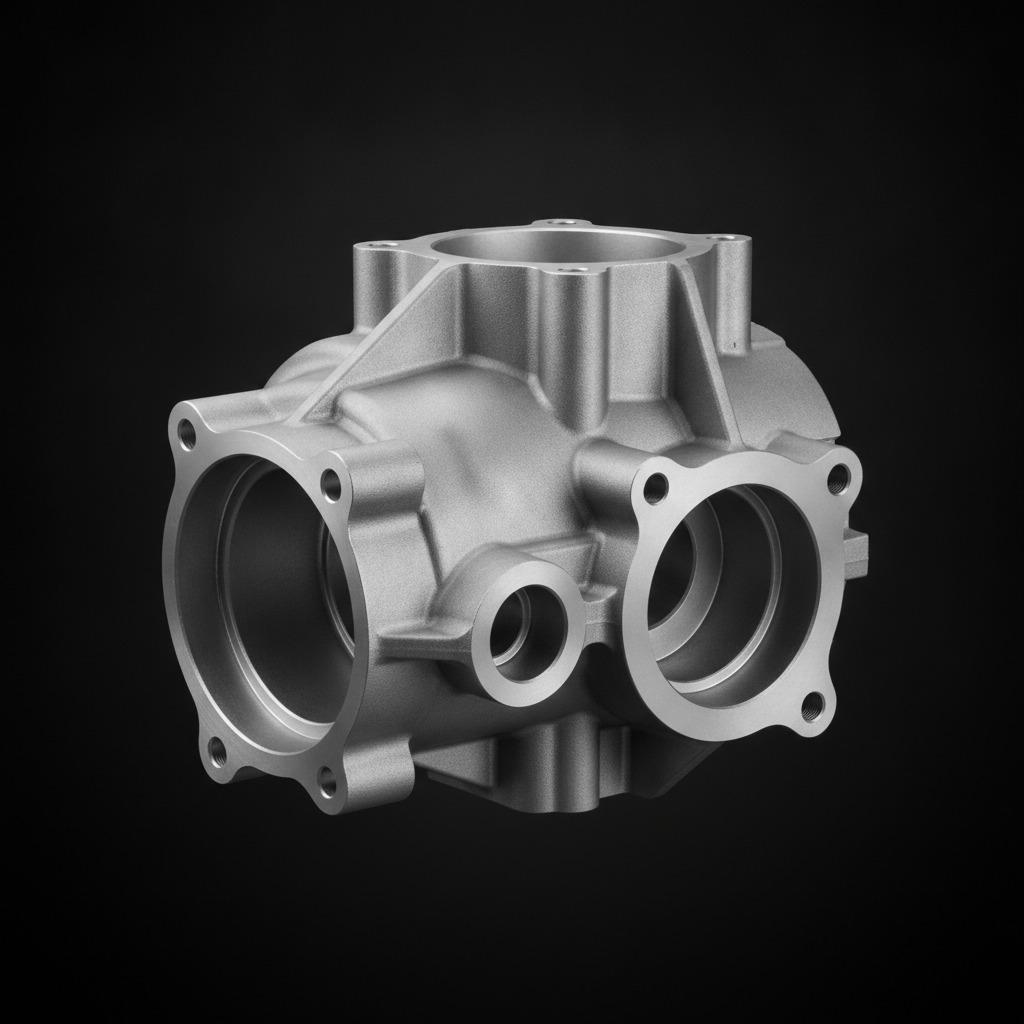
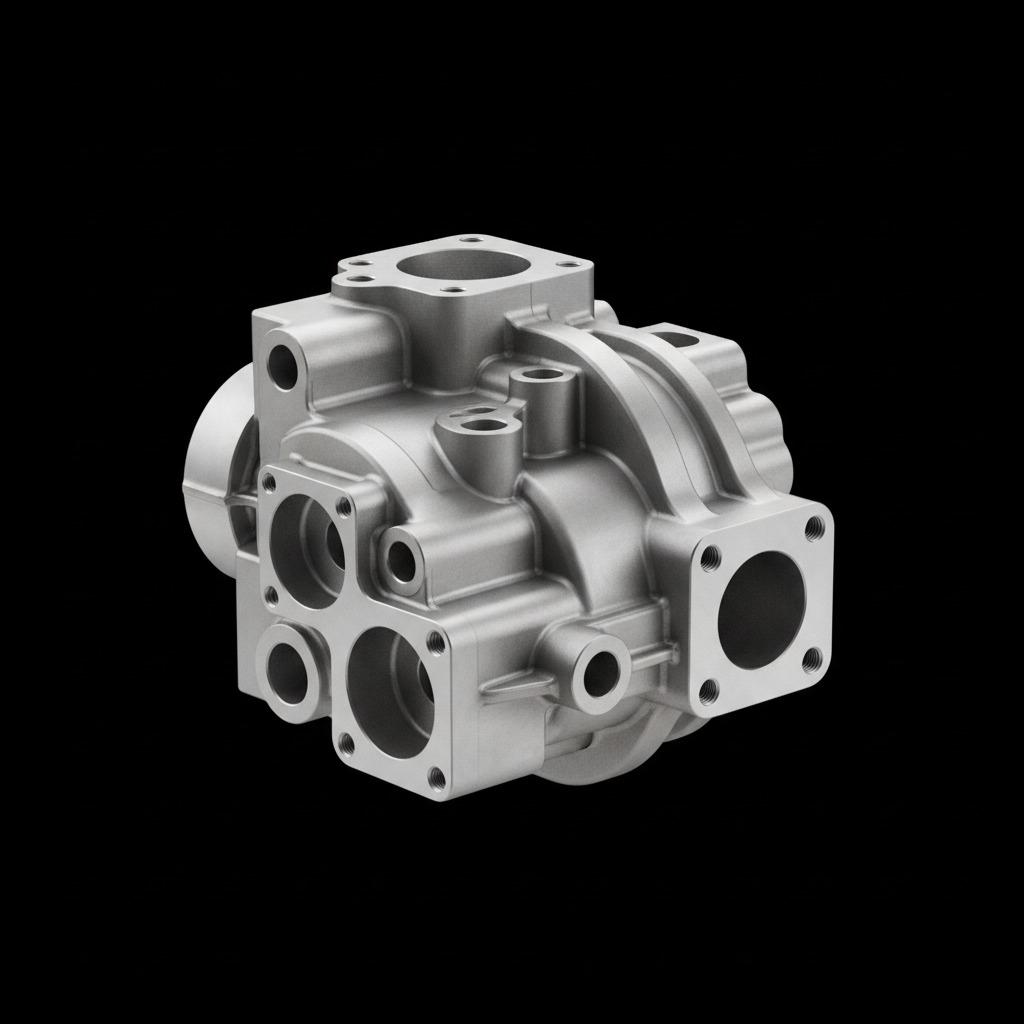
CNC for Complex Metal Housings: What Buyers Should Know

cnc

CNC for Complex Metal Housings: What Buyers Should Know

1. Why CNC matters for complex metal housings 2. What the part tells you about the manufacturing route 3. Key features buyers should evaluate 4. Why cast-and-machined aluminum is so common 5. Selection criteria that actually help 6. Practical buyer cautions 7. What to ask before you place an order 8. Next step

pt888Jul 01, 2026
CNC Machining for Cast Aluminum Housings: What Buyers Should Check

cnc

CNC Machining for Cast Aluminum Housings: What Buyers Should Check

1. Why CNC machining matters for cast aluminum housings 2. What this kind of part is designed to do 3. Why high-pressure die casting is often paired with CNC machining 4. Key features buyers should evaluate 5. Common mistakes when sourcing this type of housing 6. What to ask a supplier before ordering 7. How this connects to real buyer decisions 8. FAQ: quick buyer questions 9. Next step

pt888Jul 01, 2026
CNC Machining for Complex Cast Housing Parts

cnc

CNC Machining for Complex Cast Housing Parts

1. Why CNC machining matters on a complex cast housing 2. What buyers should look for first 3. How the casting and machining stages work together 4. Common sourcing mistakes with machined cast housings 5. Practical selection advice for engineering and procurement teams 6. FAQ: a few questions buyers usually ask 7. What to do next

pt888Jul 01, 2026
CNC Machining for Cast Industrial Housings: What Buyers Should Check

cnc

CNC Machining for Cast Industrial Housings: What Buyers Should Check

1. Why CNC matters on cast housings and functional bodies 2. What this type of part is trying to achieve 3. Quick buyer takeaway: what to check before you approve the part 4. Why cnc machining is the critical step 5. Design and sourcing criteria that matter most 6. Common mistakes buyers still make 7. Practical questions to ask a supplier 8. Next step

pt888Jul 01, 2026
What types of CNC milling machines do you operate?
What is the standard tolerance for CNC milling?

The general tolerance is ±0.02~±0.05mm for 3-axis, ±0.015~±0.03mm for 4-axis, and ±0.008~±0.02mm for 5-axis.3

What minimum wall thickness can be milled?

Recommended minimum wall thickness is1.5mm for aluminum and 2.0mm for steel to prevent deformation.

Why are sharp internal corners not allowed?

Standard end mills are circular; minimum inner fillet R0.8~R1.5 is required to avoid tool collision and poor finishing.

What is the maximum depth for standard drilling?

The safe depth-to-diameter ratio is 5:1. Excessively deep holes require customized tools.

What is the difference between 3-axis, 4-axis and 5-axis?

3-axis for simple flat parts; 4-axis for rotational parts; 5-axis for complex curved & angular parts with one-time clamping.3

How much allowance should I reserve for surface treatment?

Reserve 0.05~0.15mm extra margin for anodizing, plating and powder coating.

What is the minimum slot width for CNC machining?

The minimum feasible slot width is 1.0mm with standard cutting tools.

Are undercut structures expensive to machine?

Yes. Undercuts deeper than 5mm require 4/5-axis machining, which increases production cost.

What are the Differences Between Vertical and Horizontal CNC Milling?

Vertical CNC milling machines, with their vertically oriented spindles, are ideal for precision work on smaller components, offering excellent visibility and versatility for tasks like drilling and boring. Horizontal CNC milling machines, featuring horizontally oriented spindles, excel in handling larger, heavier workpieces and provide enhanced stability and efficient chip removal. For projects requiring extensive material removal and high durability, horizontal milling is preferred. In contrast, vertical milling is best for intricate, detailed work. Choosing between these types depends on your specific CNC milling services needs, whether for precision or bulk machining.

Project inquiry

Send your CAD drawings to get an accurate custom quotation.

We provide professional CNC milling solutions, free DFM analysis and technical consultation for your projects.