
Why CNC machining matters on a complex cast housing
When a die-cast housing has multiple bores, mounting faces, ribs, and bolt-hole patterns, cnc machining is what turns a promising casting into a usable assembly part. The casting gives you near-net shape and stiffness; the machining gives you the functional geometry that actually matters in the field. For buyers in automotive, drivetrain, pump, compressor, transmission, motor, and industrial machinery supply chains, that difference is not cosmetic. It determines whether the part assembles cleanly, seals properly, and holds alignment under load.
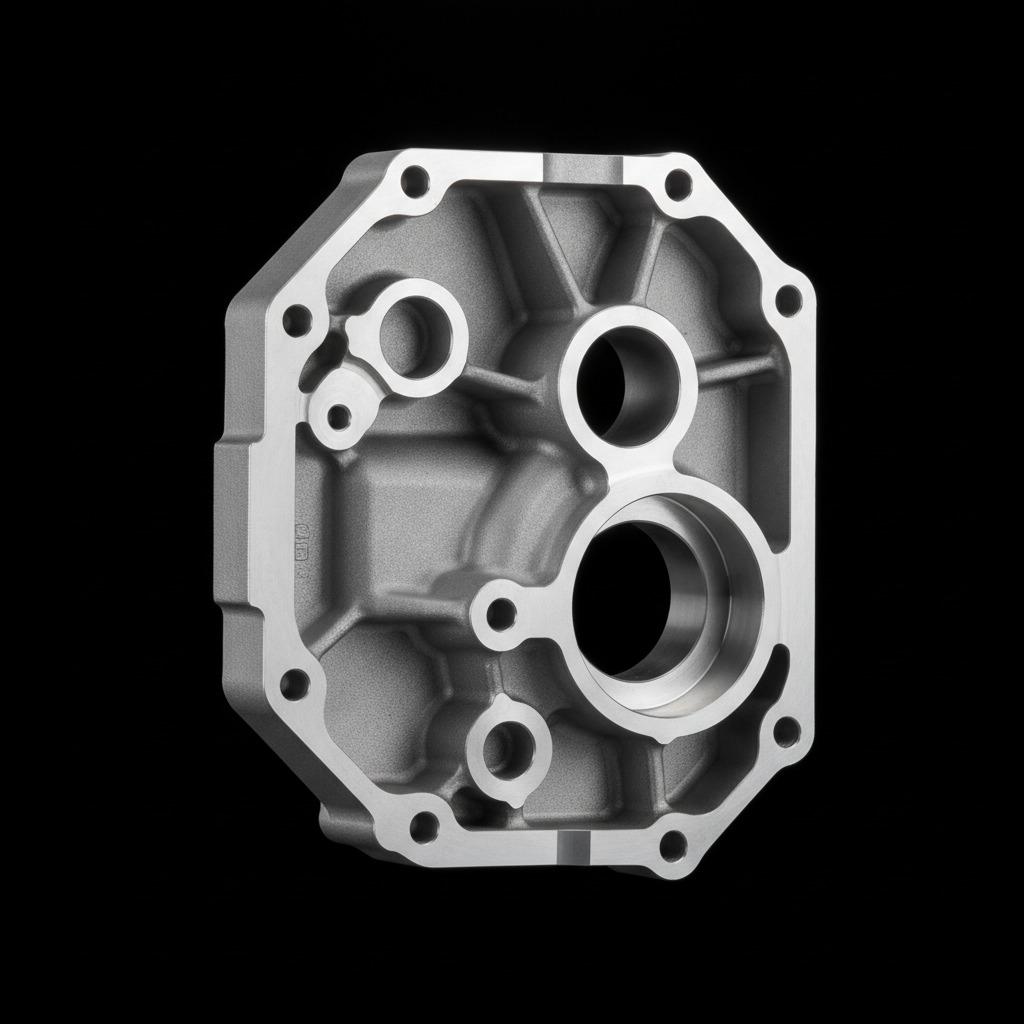
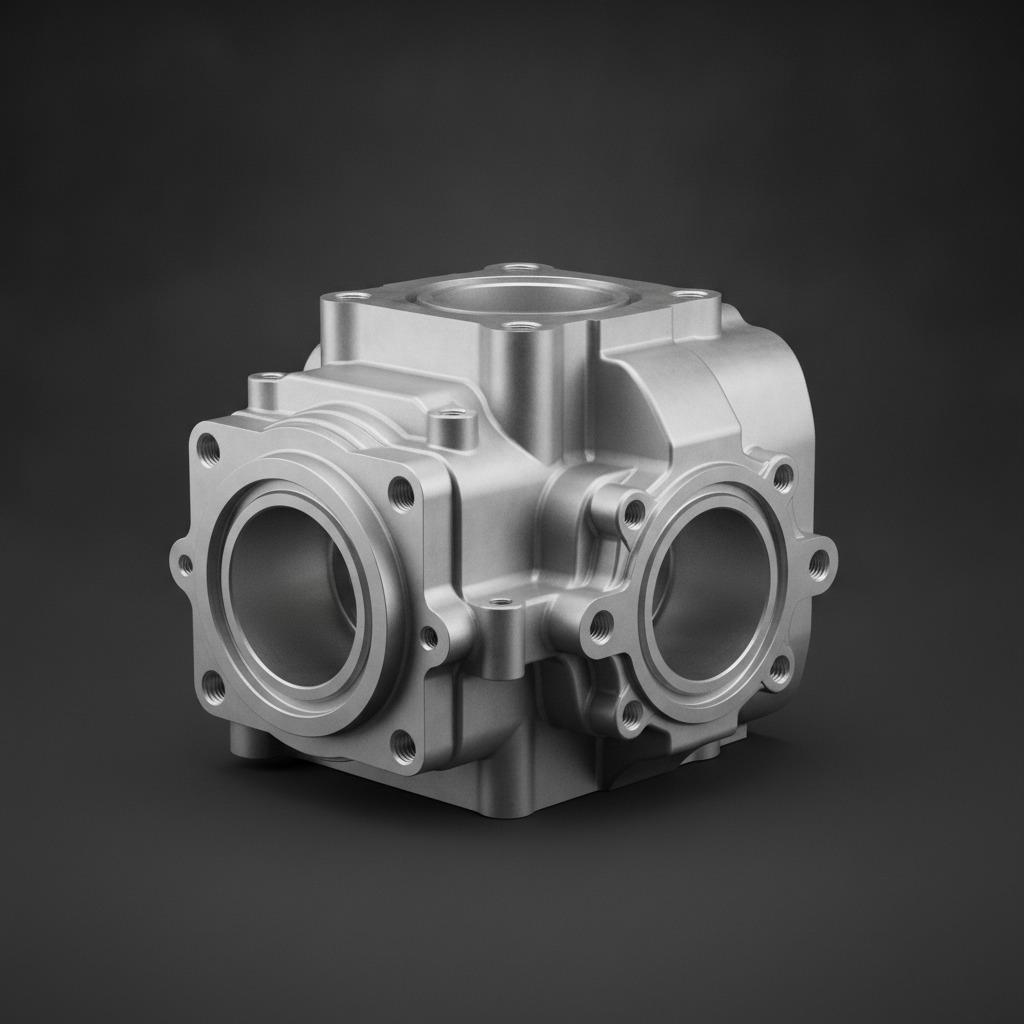
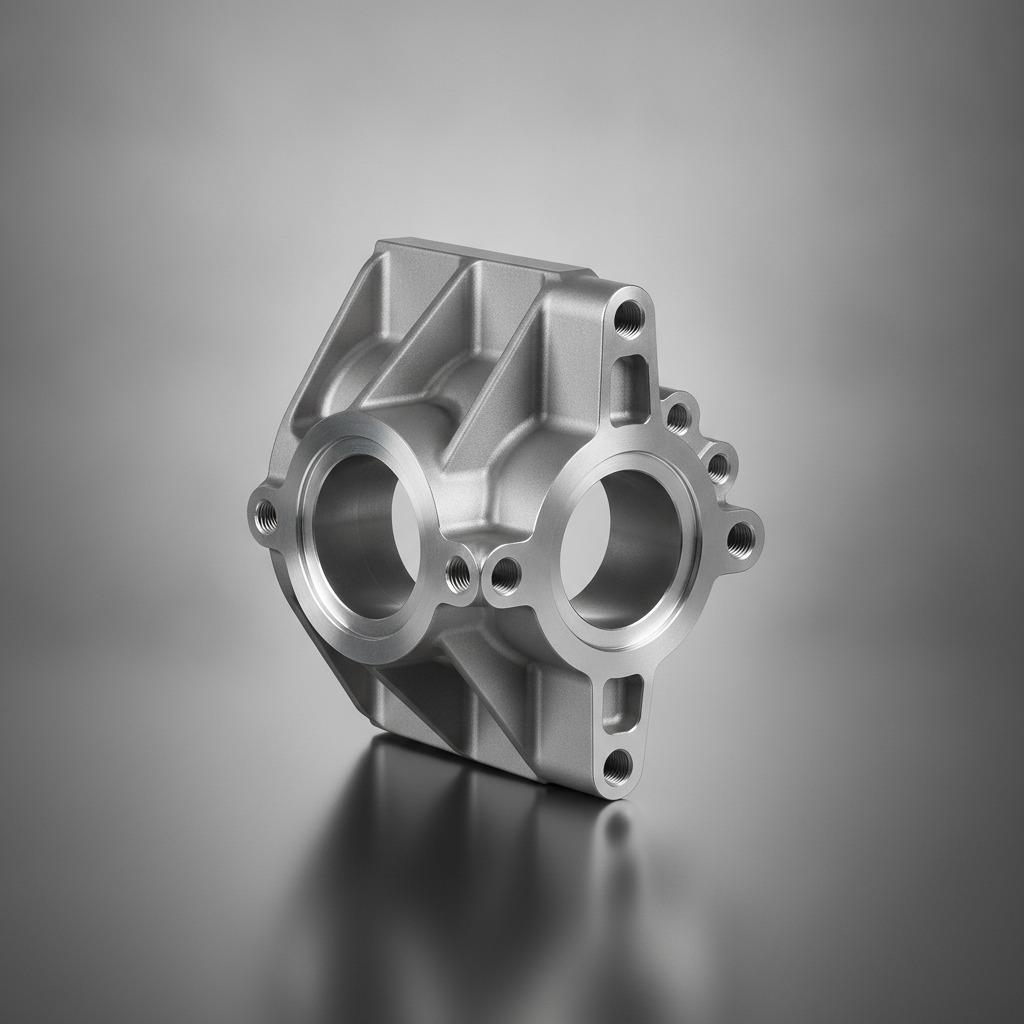
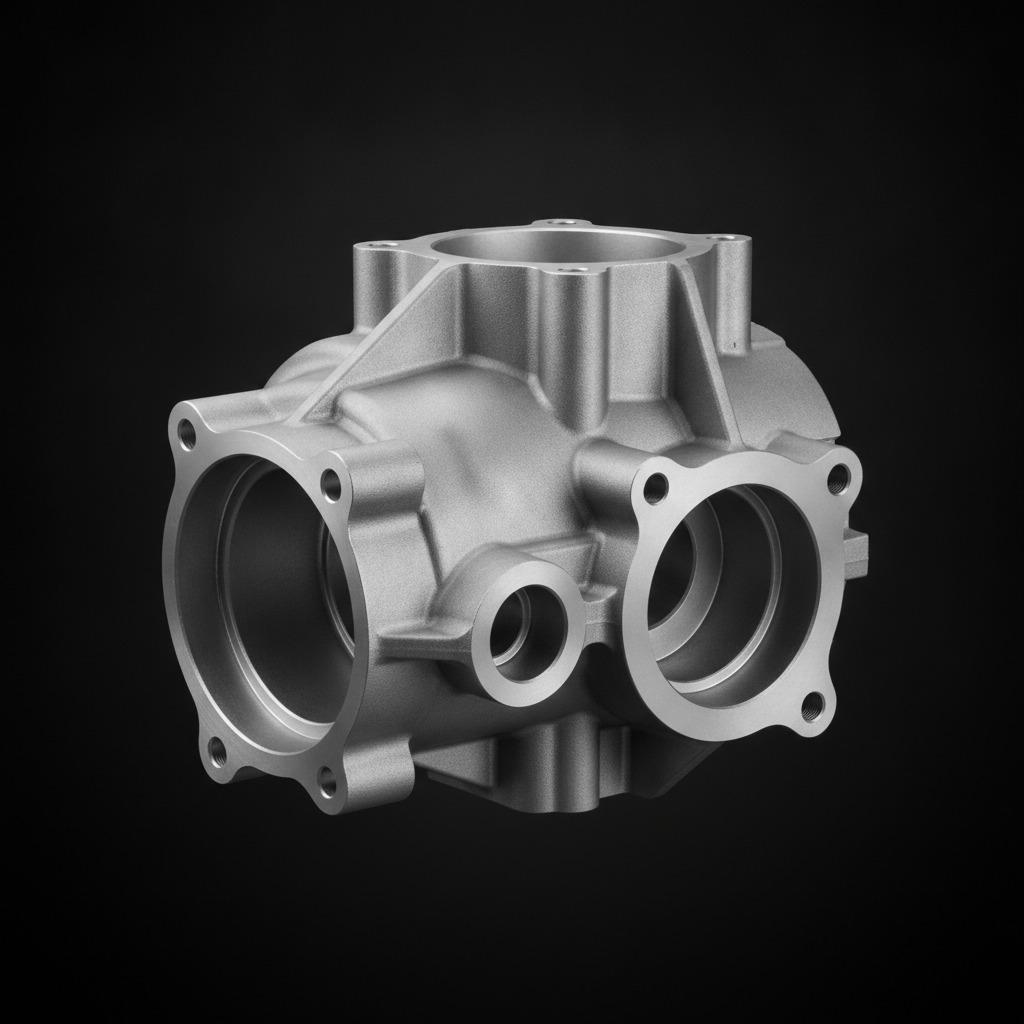
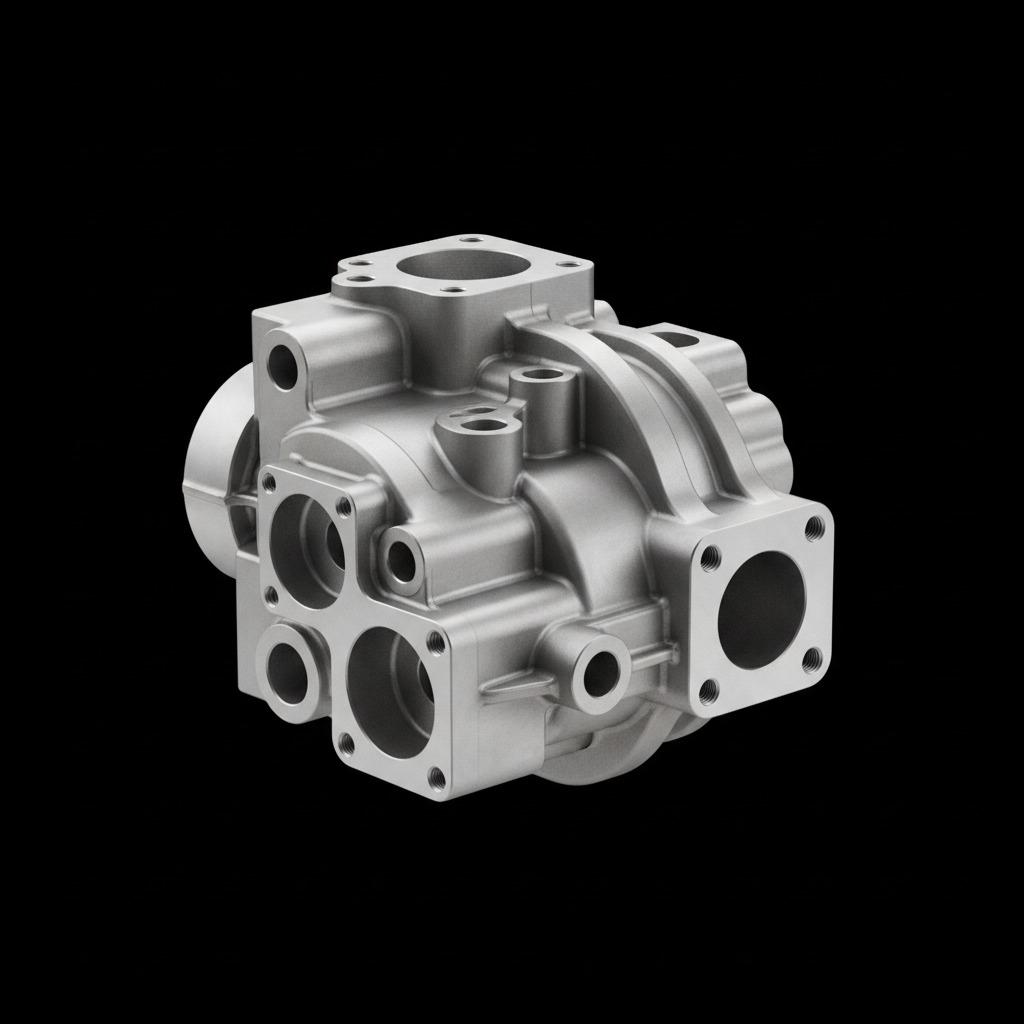
The housing shown here is a good example of the kind of component where secondary machining is not optional. You can see the as-cast body, but also the precision-machined circular openings and flat interfaces that likely serve bearing seats, shaft passages, port faces, or mating surfaces. That combination is common in high-pressure die casting followed by machining on critical features. The challenge is balancing cost, structural strength, and dimensional control without overmachining the part into something expensive and slow to produce.
What buyers should look for first
For a part like this, the first question is not “Can it be made?” It is “Which surfaces must be accurate, and which can remain as-cast?” That is where sourcing teams usually save or lose money. If every face is machined, the casting advantage starts to disappear. If too little is machined, the assembly team pays for it later in rework, leaks, vibration, or poor fit-up.
Useful decision points include:
1. The number and location of precision bores.
2. Whether bolt-hole patterns must line up across multiple parts.
3. Whether the housing needs flat sealing faces.
4. How much ribbing or boss structure is needed for stiffness.
5. Whether the design should favor lighter aluminum-style construction or another metal route, depending on service conditions.
That last point deserves a small caution. A light-colored cast metal part often suggests aluminum alloy, but appearance alone does not confirm alloy grade or performance. Buyers should avoid assuming corrosion resistance, pressure tightness, or strength without verified data.
How the casting and machining stages work together
1. High-pressure die casting creates the body
The visible ribs, bosses, stepped surfaces, and irregular multi-lobe geometry suggest a design meant to be cast efficiently rather than carved from solid stock. Die casting is well suited to this type of housing because it can produce complex external shape and integrate multiple features in one body.
2. CNC machining defines the functional interfaces
Once the casting is stabilized, cnc machining opens and finishes the critical features: bores, pads, threaded or drilled holes, and port faces. In practical terms, this is where the part becomes compatible with shafts, covers, fasteners, seals, and adjacent modules. The machining program must be built around the casting datum strategy, otherwise the finished part can look fine but assemble poorly.
3. Inspection should focus on the interfaces, not just the outside
For buyers, a visual check is not enough. The important surfaces are the ones that locate the assembly. If those features are off, the rest of the casting is irrelevant. This is where a supplier’s testing and quality discipline matter. Jiangsu Yutong Drying Engineering Co., Ltd. notes that it applies rigorous testing before shipping and operates under ISO 9001, which signals process discipline, though buyers still need part-specific verification for their own application.
Common sourcing mistakes with machined cast housings
One common mistake is over-specifying every surface. Another is accepting a casting without a clear machining plan. A third is failing to define which bores are functional and which are merely clearance openings. In production, those are very different questions. A clearance hole can tolerate more variation; a shaft seat cannot.
Another buyer-facing warning: complex housings often look robust because of their ribbed form, but structural appearance is not the same as structural validation. If the part will sit in a drivetrain, pump, or compressor environment, the load path and vibration exposure should be reviewed early, not after tooling has begun.
Practical selection advice for engineering and procurement teams
If you are sourcing a cnc-finished cast housing, ask for a clear split between cast features and machined features. Ask which datums control the machining, and whether the supplier has in-process inspection for the bores and mounting faces. If the supplier can produce around 600 machines annually across more than 30 types, as Yutong reports for its broader equipment business, that does not automatically prove capability for this exact housing, but it does suggest an established manufacturing organization with engineering depth and a sizable facility.
For parts like this, buyers should also request a discussion of post-cast cleanup, machining sequence, and any required functional testing. Those details often reveal more about production maturity than a polished brochure ever will.
FAQ: a few questions buyers usually ask
Can one process make the whole part? Technically yes, but it is usually not economical for this kind of geometry. Casting plus cnc machining is the more realistic path.
Is this only for automotive? Not necessarily. Similar housings appear in pumps, compressors, motors, transmissions, and industrial machinery.
What matters most when comparing suppliers? The accuracy of the machined interfaces, the consistency of the cast body, and the supplier’s ability to keep both under control from run to run.
What to do next
For teams evaluating a complex cast housing, the best next step is to separate appearance from function. Identify the bores, pads, and hole patterns that truly matter, then ask the supplier how those are controlled through casting and cnc machining. If the application is critical, request drawings, inspection points, and a production-ready process plan before you commit to tooling. That is the difference between buying a part and buying a future problem.