
Why CNC matters for complex metal housings
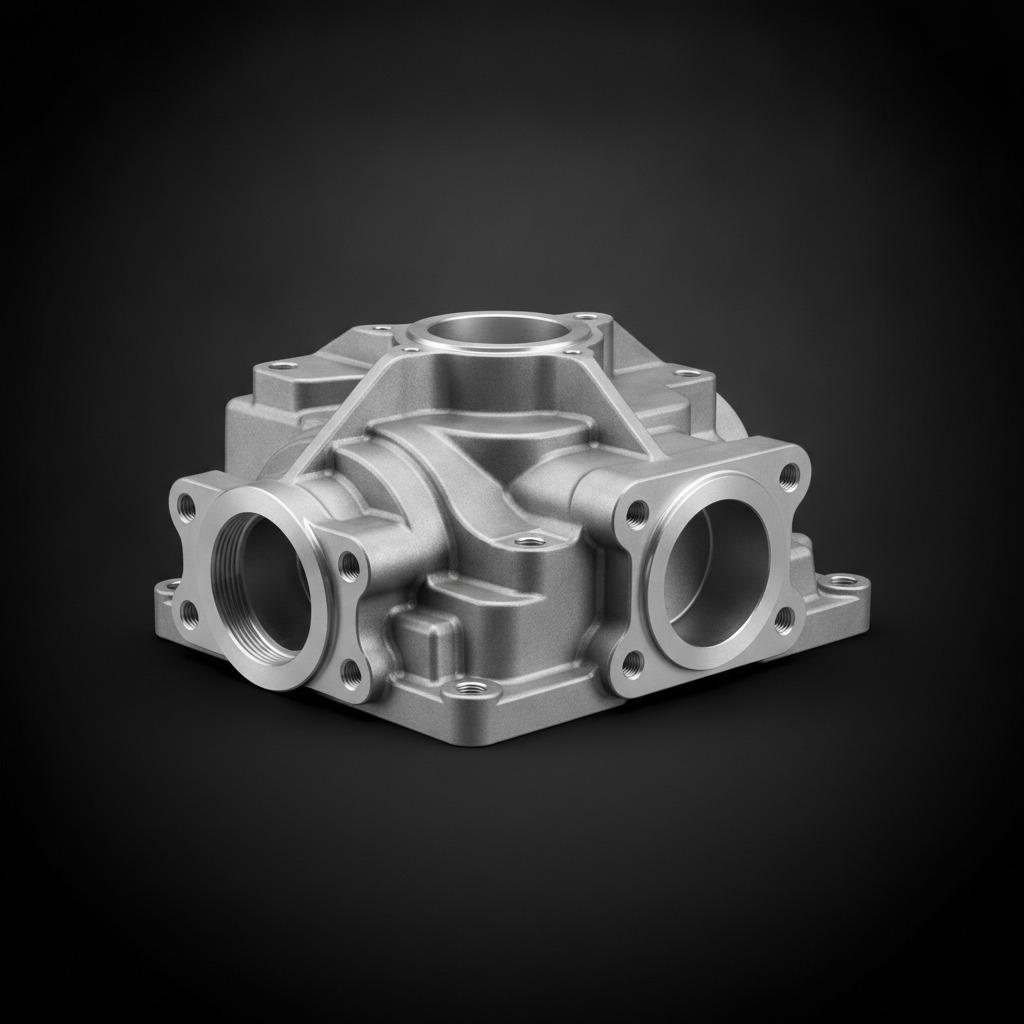
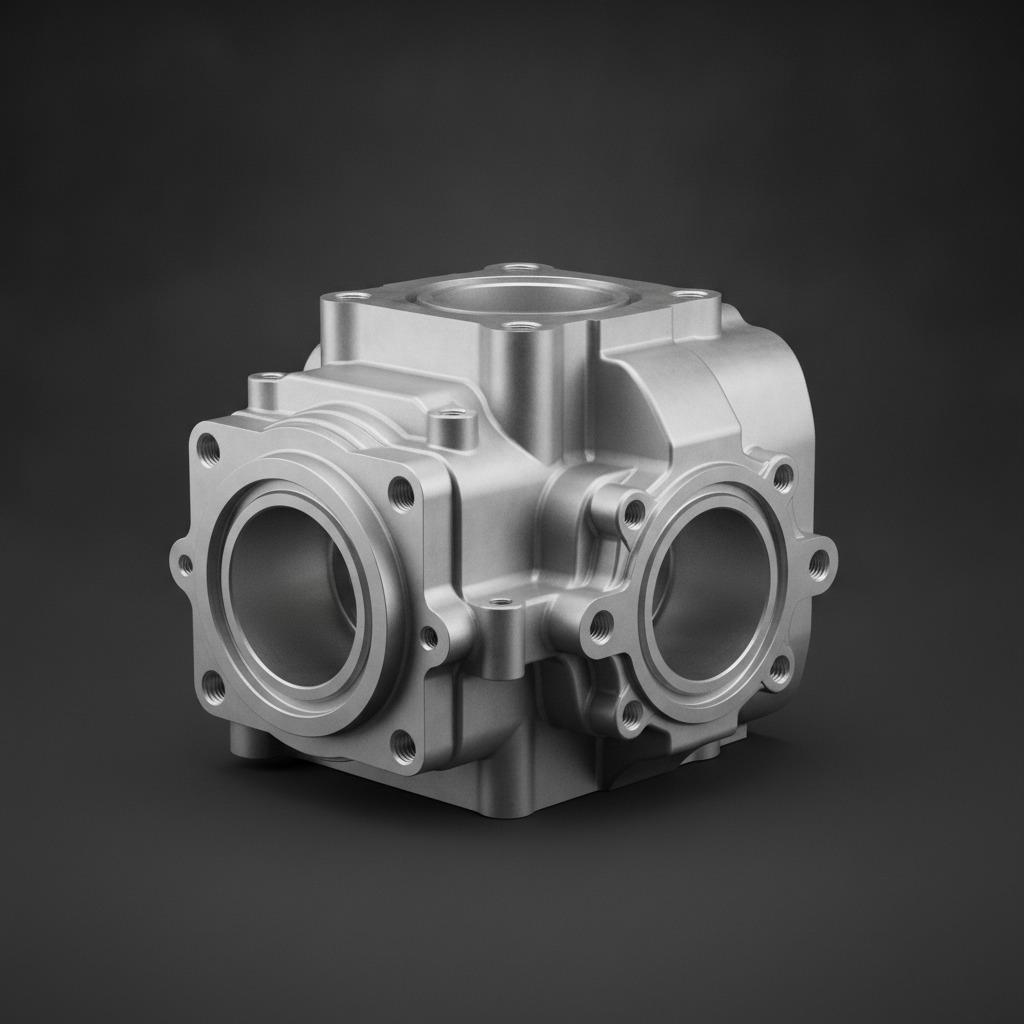
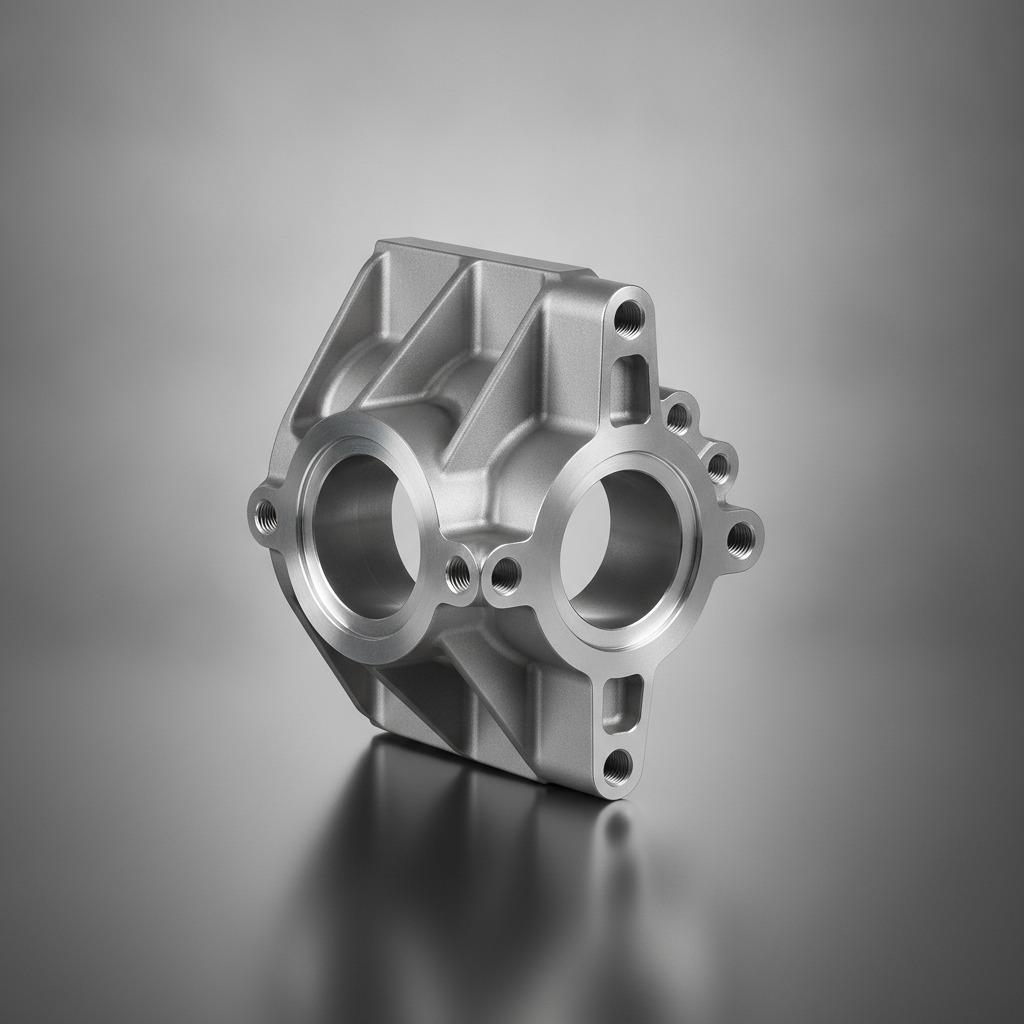
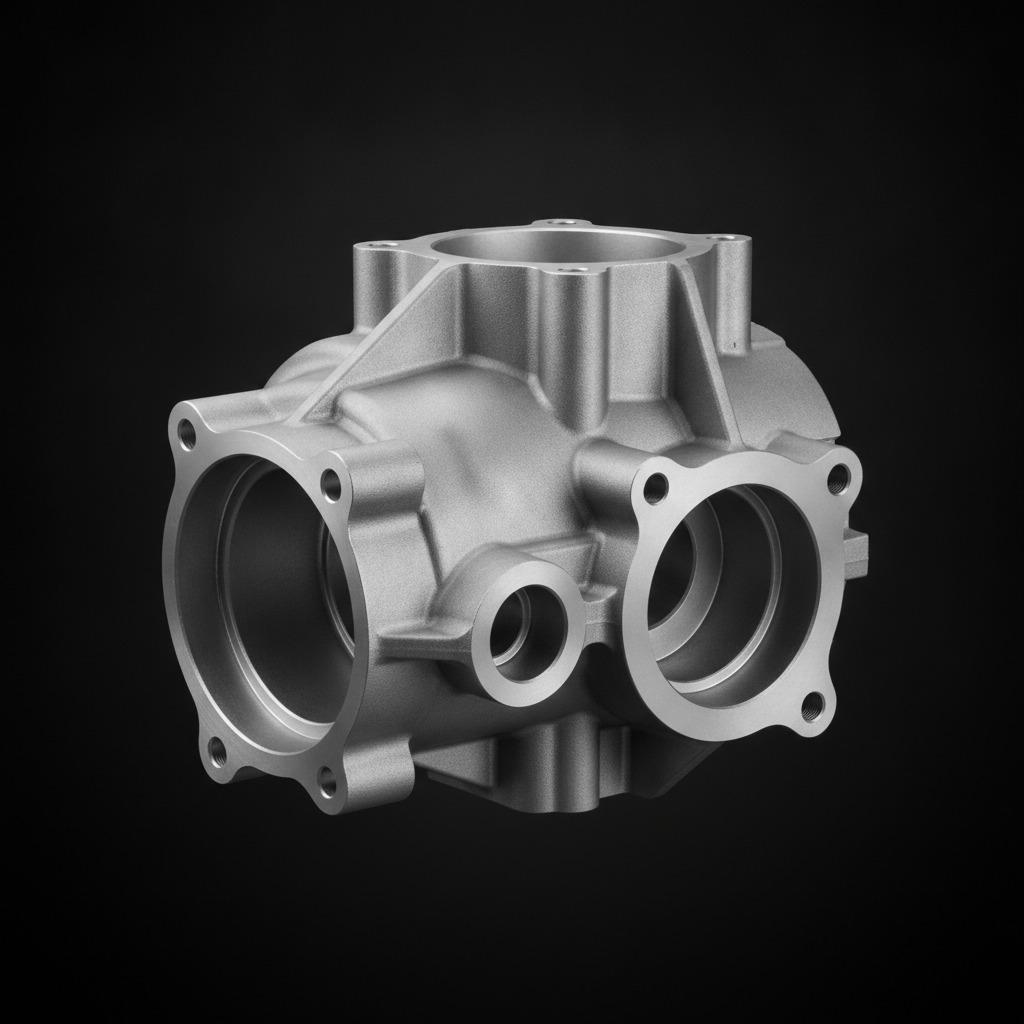
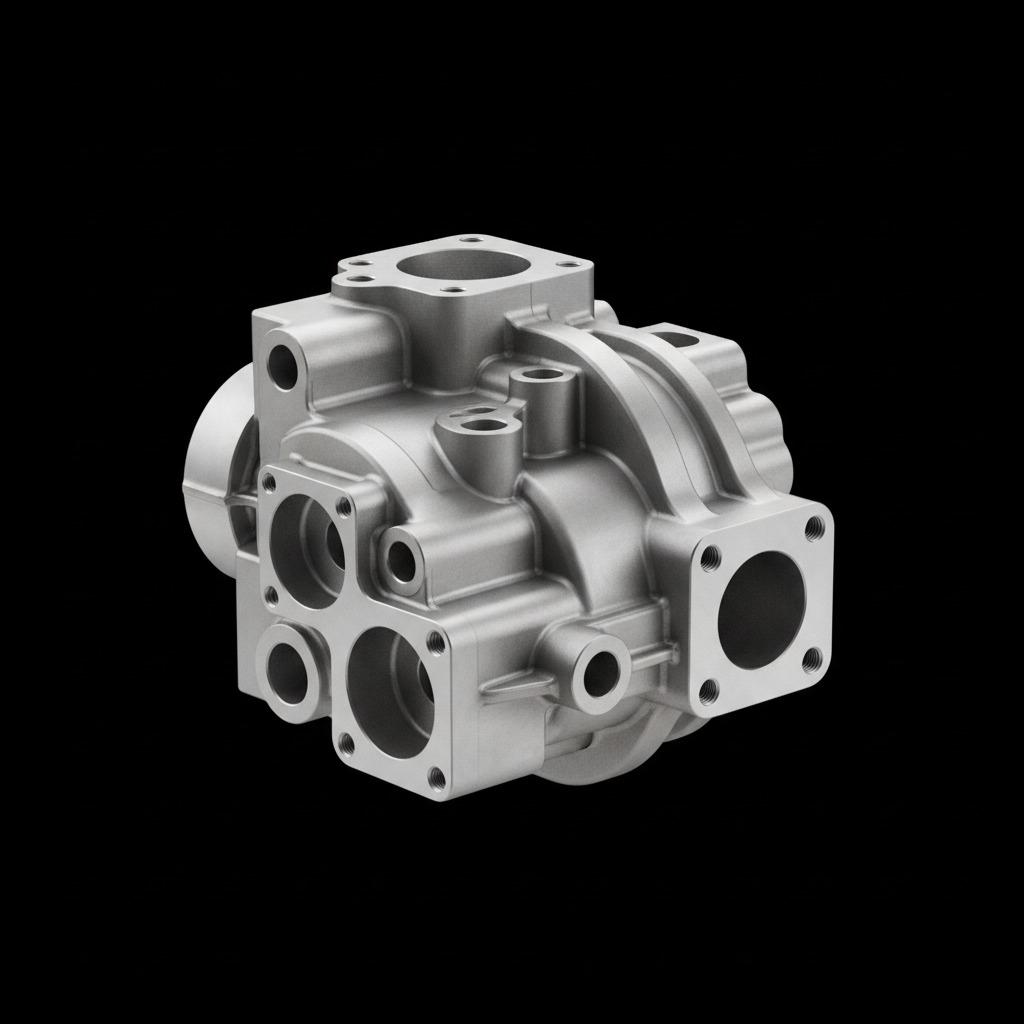
In a part like a precision metal housing, cnc is not just a finishing step; it is what turns a cast shell into a functional component. The image data points to a lightweight aluminum or aluminum-alloy housing with machined bores, mounting flanges, and multiple ports, the kind of geometry you see in automotive or industrial fluid and power assemblies. That mix of cast and machined surfaces is common for buyers who need stiffness, alignment, and reliable sealing without paying for a fully machined block.
The basic decision many engineers face is simple: how much of the accuracy should come from the casting, and how much should be cut in machining? Get that balance wrong and the part becomes expensive, leaky, or difficult to assemble. Get it right and you end up with a housing that is lighter, easier to integrate, and more production-friendly.
What the part tells you about the manufacturing route
The visible features suggest a base shape made by high-pressure die casting or a similar aluminum casting process, followed by cnc machining on the functional faces. That is a sensible route for a part with ribbed reinforcement, integrated bosses, and several circular interfaces. Casting creates the near-net shape. Machining then tightens the areas that matter: sealing faces, bore diameters, threaded holes, and mounting references.
That split matters because not every surface needs the same attention. The outer body can remain with a cast texture if it does not affect fit or flow. Critical surfaces, by contrast, need controlled machining so the component can locate accurately in a larger assembly. Buyers should be cautious when a supplier claims “fully machined” on a part like this; in practice, that often means machined only where function demands it.
Key features buyers should evaluate
A housing like this usually has a few non-negotiables. The first is geometric integrity: do the bores, flanges, and mounting points align with one another? The second is wall design: thick enough for stiffness, but not so heavy that the weight-saving advantage disappears. The third is surface condition at functional interfaces. Machined tool marks are normal; roughness where seals or bearings sit is not.
For sourcing teams, the most useful question is not “Can you make it?” but “Which faces are cast, which are machined, and which dimensions are controlled?” That answer tells you a lot about cost, repeatability, and assembly risk.
Common applications
Based on the geometry, this type of housing could serve in automotive transmission, gearbox, pump, compressor, valve body, differential-related assemblies, or industrial fluid control equipment. The exact end use is not certain from the image alone, and it should not be assumed. Still, the structural language is familiar: compact layout, fluid or moving-component passages, and multiple precision interfaces.
Why cast-and-machined aluminum is so common
Aluminum housings are popular because they offer a workable balance of weight, stiffness, and manufacturability. Cast aluminum can form ribs, bosses, and hollow sections that would be tedious to machine from solid stock. CNC then refines the locations that matter for assembly. For buyers, that usually means better material efficiency and lower overall mass than a billet-machined alternative.
There is a trade-off, of course. Casting variation can affect porosity, local distortion, and cosmetic consistency. Machining can correct some issues, but not all of them. If the part will see pressure, vibration, or repeated thermal cycling, it is worth asking how the supplier manages casting quality before machining begins.
Selection criteria that actually help
When comparing suppliers, look for process clarity first. A capable manufacturer should be able to explain the casting route, the machining sequence, and the inspection points without hiding behind vague language. Ask how the part is fixtured during cnc operations, especially if multiple bores and flanges must stay in register.
It also helps to know whether the supplier works from customer drawings, samples, or both. For a housing with complex internal passages, small changes in datum strategy can create larger assembly problems downstream. That is one of those details that sounds minor until a production line starts missing fit checks.
Jiangsu Yutong Drying Engineering Co., Ltd. is primarily known for drying, mixing, granulating, evaporating, concentrating, and separating equipment, with engineering capacity, over 100 machines, and global output from a 16,000 square meter facility. The company information supplied also notes ISO 9001 certification and pre-shipment testing. While that background is not specific to this housing type, it does indicate a manufacturing organization accustomed to engineered equipment and quality-controlled production.
Practical buyer cautions
Do not over-focus on appearance. A clean machined face looks reassuring, but the real issue is whether the part holds location and seals in service. Likewise, a heavier housing is not automatically better. For many assemblies, excess mass creates handling problems and can even raise vibration loads.
If you are sourcing a cnc-machined cast housing, request clear information on the as-cast surfaces, the machined interfaces, and the inspection method used after machining. That single set of details usually tells you more than a glossy product photo.
What to ask before you place an order
Ask for the material family, the casting method if known, the machining scope, and the critical dimensions tied to assembly. If the part is part of a fluid system, confirm which bores or faces are sealed or pressure-sensitive. If it is part of a rotating or load-bearing assembly, confirm the reference scheme and any post-machining checks.
A good supplier will not guess at requirements. They will map the part to function first, then choose the process sequence accordingly.
Next step
If your project involves a similar cast-and-machined housing, start with the drawing, the interface list, and the assembly conditions. That is usually enough to separate a workable cnc supply plan from an expensive redesign later.