
Why CNC machining matters for cast aluminum housings
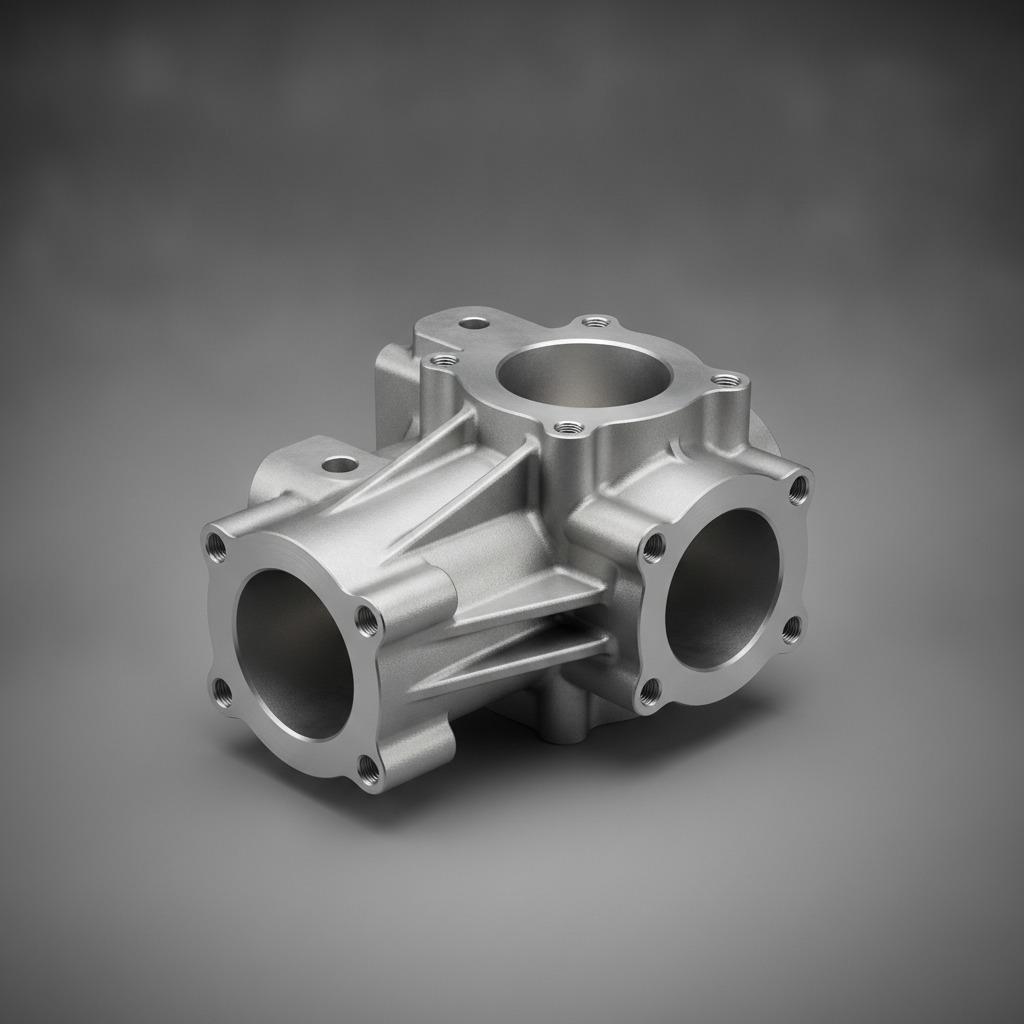
For buyers looking at a cnc-finished cast housing, the real issue is rarely the casting itself. It is whether the part will hold alignment, seal correctly, and survive repeated loading once it is installed in a machine. A complex aluminum housing with ribbing, bores, and flange faces can look simple at first glance, but the value is usually in the machined details: the mating surface around a bore, the position of the bolt holes, and the way the part keeps internal components in line.
That is especially true for structural mechanical parts used in automotive, drivetrain, pump, compressor, or industrial equipment assemblies. These parts often carry loads, guide rotation, or form the outer shell for fluid-handling internals. If the geometry is off, the entire assembly can suffer from vibration, leakage, wear, or difficult installation. So the buyer’s job is not just to choose a casting. It is to choose a manufacturing route that leaves enough precision where it matters.
What this kind of part is designed to do
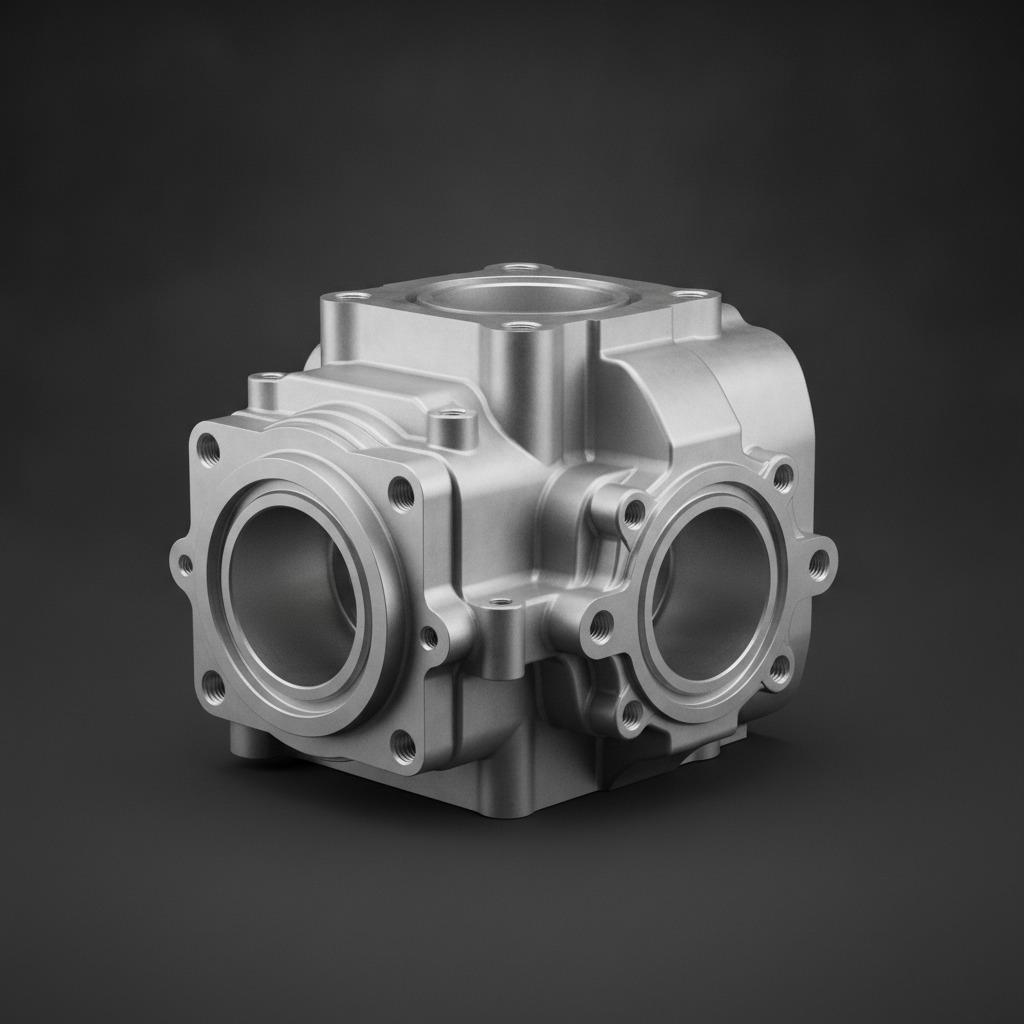
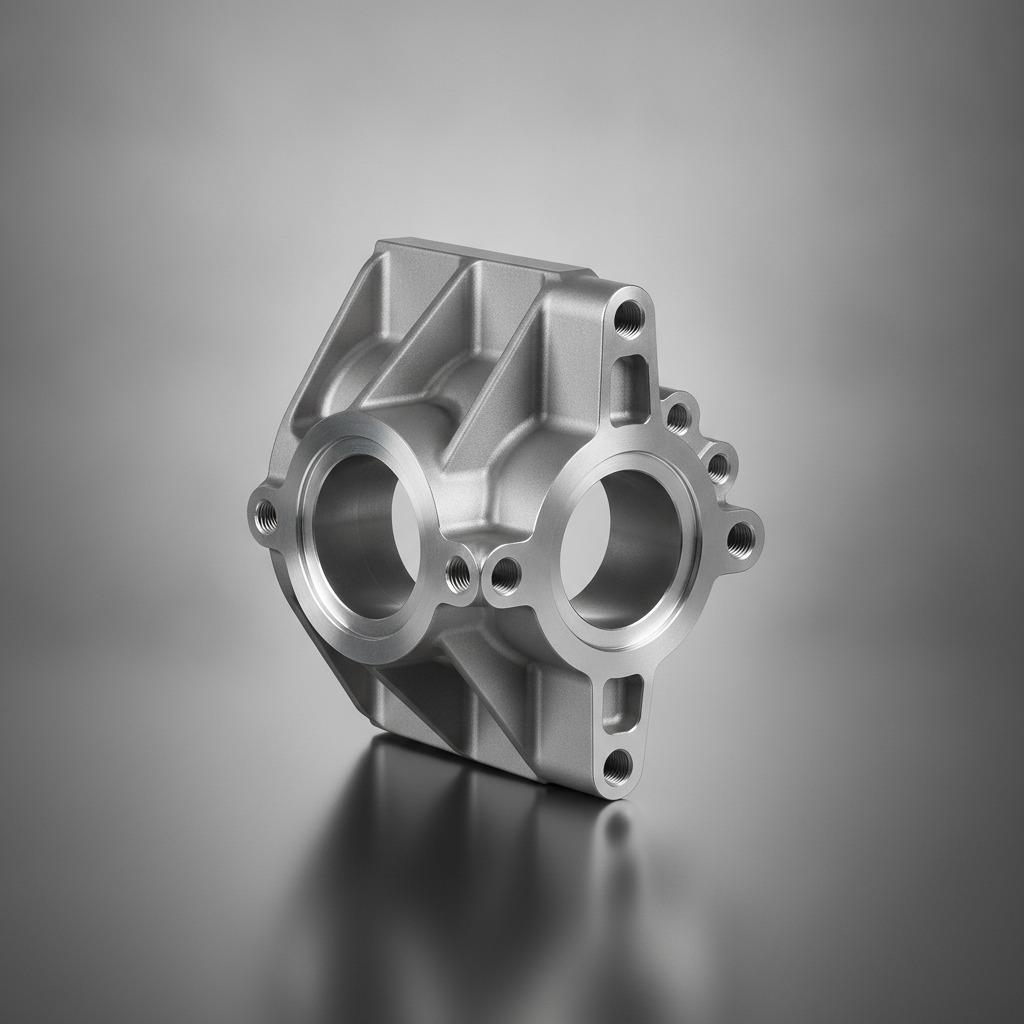
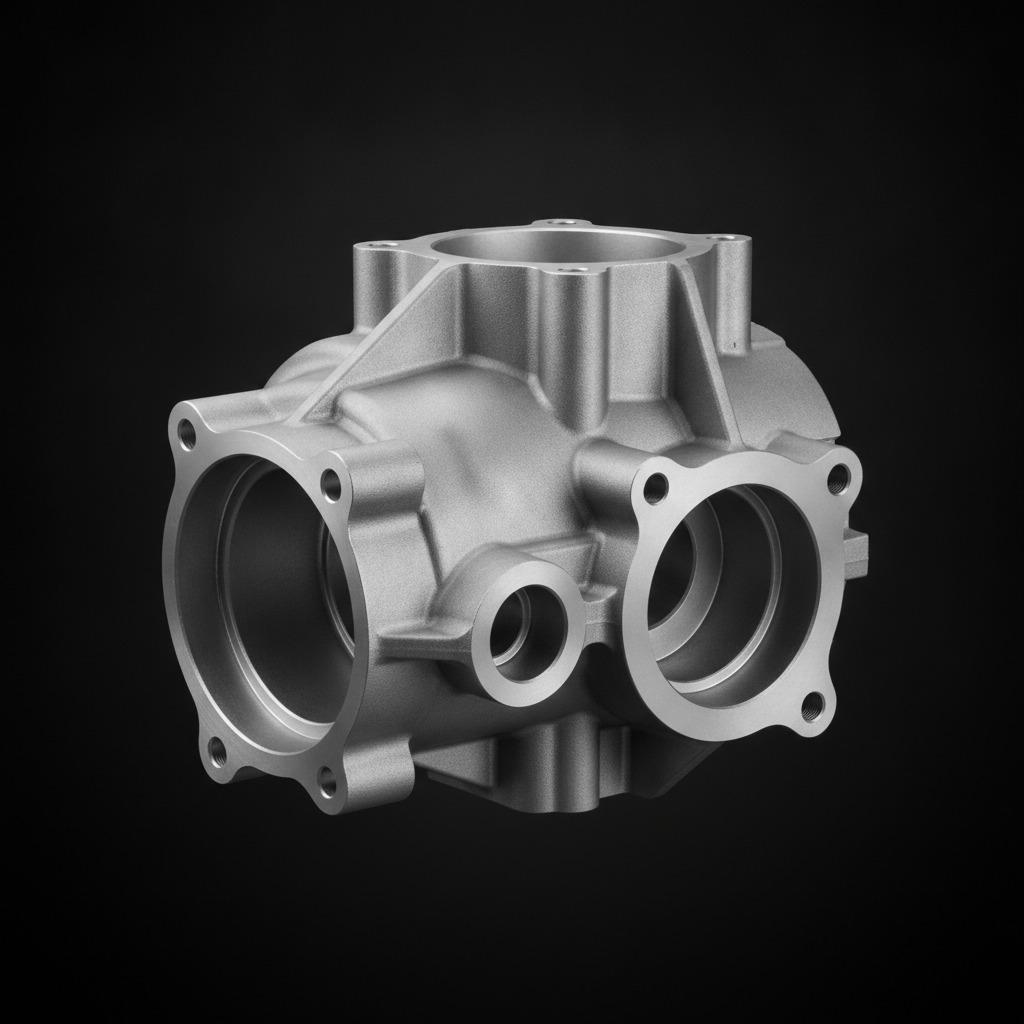
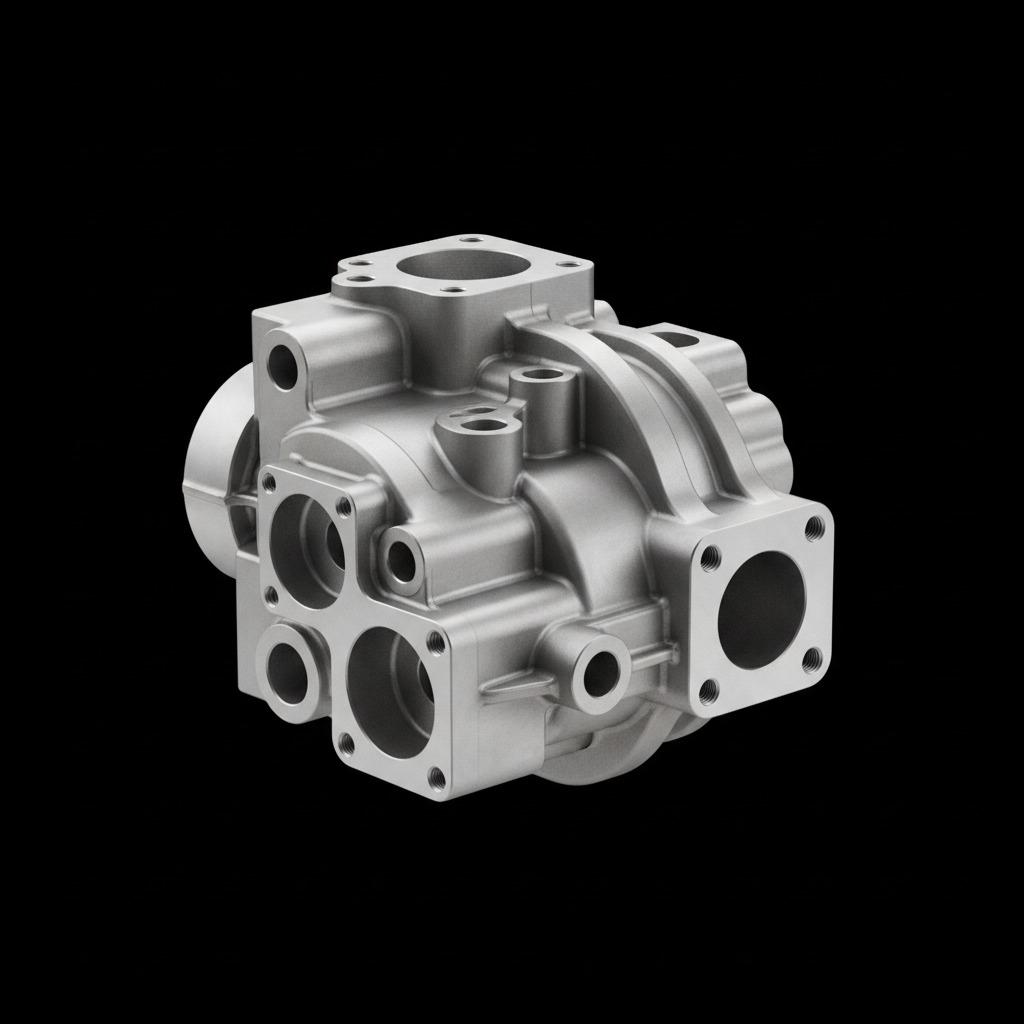
The part described here appears to be a precision metal die-cast housing or structural component, likely made from cast aluminum or an aluminum alloy. Visually, it has a multi-lobed body, thick reinforcing ribs, multiple flanged faces, large circular bores, mounting bosses, and a mix of openings that suggest connection points for internal rotating or fluid-handling parts.
That mix of cast form and machined features is common in housings that need both strength and accuracy. The cast body provides the overall shape and stiffness. The machined features provide the functional interfaces. In other words, casting gives you the volume; machining gives you the fit.
Why high-pressure die casting is often paired with CNC machining
High-pressure die casting is well suited to complex aluminum shapes with ribs, bosses, and thin-to-thick transitions. It can produce a near-net form efficiently, but it is not the final answer for critical surfaces. Machining is usually added after casting to clean up the bores, mounting faces, and threaded or locating areas.
That combination is practical for buyers because it balances cost and function. The cast structure reduces material waste and supports complex geometry. The cnc operations then tighten up the interfaces that affect assembly. Without that second step, a housing may look finished but still fail at the point that matters: where two parts must sit flat, align concentrically, or seal reliably.
Key features buyers should evaluate
When reviewing a part like this, the first question is whether the machined regions are placed on the correct functional faces. The bore quality matters. So do bolt-hole locations and the flatness of mating surfaces. A rib-reinforced body can improve stiffness, but only if the geometry supports the load path instead of trapping stress around thin sections.
The bare metal finish visible on this type of housing suggests a practical industrial component rather than a decorative one. That is not a weakness. It usually means the buyer should focus on geometry, edge condition, and consistency rather than appearance.
A few details deserve attention:
1. Machined bores and faces
These are the interfaces that control fit. If they are inconsistent, assembly problems tend to appear quickly.
2. Mounting bosses and bolt holes
These determine how the housing sits in the machine and how load is transferred into the structure.
3. Rib layout and wall transitions
Ribs add stiffness, but abrupt changes in section thickness can create casting risks or weak points.
4. Deburring and clean edge quality
A well-cast part can still create headaches if leftover flash, burrs, or rough edges interfere with assembly.
Common mistakes when sourcing this type of housing
One common mistake is assuming that all aluminum castings with machined faces are functionally equivalent. They are not. Two parts may look similar in a photo, yet differ in how much machining was applied, where datum references were established, or how much care was taken around critical bores.
Another frequent problem is overlooking the intended assembly sequence. A housing for a gearbox, pump, or compressor may need to support internal alignment before final fastening. If the locating surfaces are not designed with that in mind, the customer ends up compensating during installation, which is usually a bad sign.
A practical caution: if the part will see pressure, rotation, or thermal cycling, ask early whether the supplier has experience controlling casting stability before machining. That is not a minor detail. Cast parts can move, and if the process does not account for that, the final fit may drift.
What to ask a supplier before ordering
Buyers should ask for the process route, not just the finished look. For a component like this, the key questions are straightforward:
What casting method is used?
Which faces are cnc machined and which remain as-cast?
How are critical bores and mounting references controlled during machining?
What inspection is performed before shipment?
Jiangsu Yutong Drying Engineering Co., Ltd., established in 2000, operates with over 21 years of experience, 150 workers, a 16,000 square meter facility, and more than 100 machines. The company says it produces around 600 machines annually and develops more than 30 types, with testing conducted before shipping. While Yutong is primarily known for drying, mixing, granulating, evaporating, concentrating, and separating equipment, the general manufacturing discipline behind that kind of engineering operation is relevant to buyers who care about repeatable fabrication and inspection.
How this connects to real buyer decisions
For engineers and sourcing managers, the decision is usually not “can this part be made?” It is “can it be made consistently enough to support the machine?” That means looking beyond the casting silhouette and into the interface control. If a housing has the right rib structure, the right mounting points, and the right cnc-finished surfaces, it can do its job quietly for a long time. If not, the symptoms tend to show up as noise, leakage, misalignment, or assembly rework.
FAQ: quick buyer questions
Is this part definitely die cast?
Not from the image alone. High-pressure die casting is a strong possibility, but the exact process should be confirmed by the supplier.
Why are only some surfaces machined?
Because only certain faces, bores, and locating points need tight control. The rest can remain as-cast to keep the part efficient.
What should I request first from a supplier?
Process confirmation, machining scope, inspection method, and a clear drawing or sample reference for the critical interfaces.
Next step
If you are sourcing a cast aluminum housing or structural part for a gearbox, pump, compressor, or similar assembly, start with the interfaces, not the appearance. Ask how the casting is controlled, which faces are cnc finished, and how the supplier verifies alignment before shipment. That is the fastest way to separate a usable industrial part from one that only looks right on paper.