
W01
Zero-force Non-contact Cutting
Adopts spark erosion processing without mechanical extrusion force, effectively avoiding structural deformation and tool pressure damage for thin-walled and high-hardness parts.

We offer professional custom wire cut EDM machining services, focusing on high-hard metal and complex planar precision component manufacturing. Equipped with high-speed and low-speed wire cut equipment, we deliver one-stop machining solutions from rapid prototyping to large-scale mold and component mass production. Our mature wire cut process ensures burr-free, deformation-free and highly consistent precision parts to meet diverse industrial customization demands.









Zhonghanda reviews substrate, critical dimensions, appearance needs and finishing requirements together so material selection supports the final application.
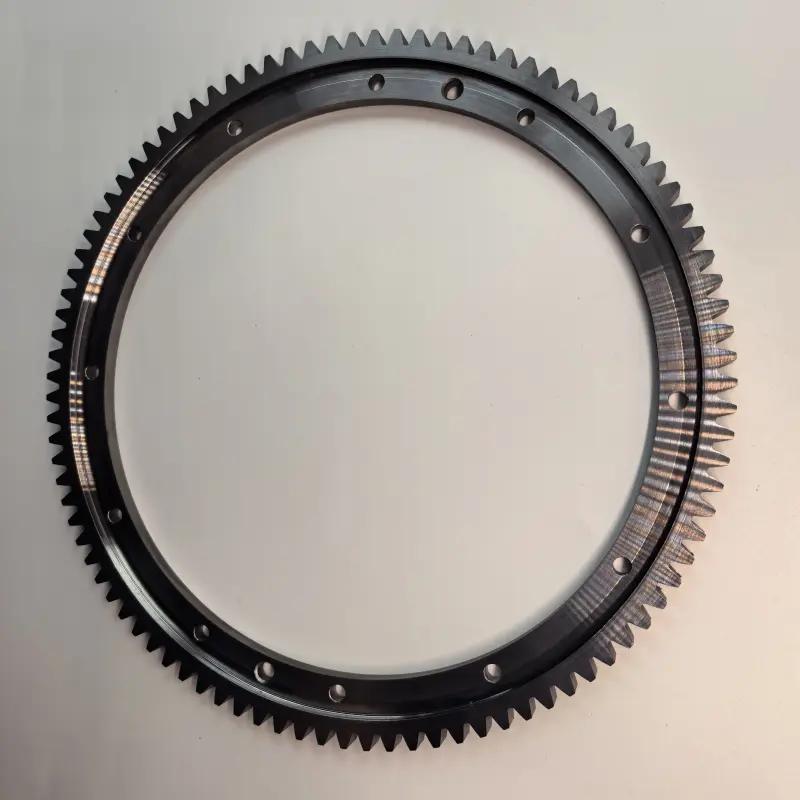
Stainless Steel
130+
Machine capacity
24H
Engineering response
F.A.I.
First article inspection
99.2%
Quality acceptance
Select the wire route
Stable one-way wire feeding supports tighter tolerance, finer surface finish and high-end mold or precision component requirements.
Adopts spark erosion processing without mechanical extrusion force, effectively avoiding structural deformation and tool pressure damage for thin-walled and high-hardness parts.
Supports 0.05mm ultra-narrow slits, zero-radius sharp corners and complex closed profiles that cannot be processed by traditional cutting tools.
Machining quality is not affected by material hardness, capable of processing hardened steel, tungsten steel and various high-strength alloy materials freely.
Forms smooth cutting edges without burrs, eliminating secondary deburring procedures and improving overall dimensional consistency of parts.
Matches high-speed wire cut for cost-effective batch production and low-speed wire cut for ultra-precision mirror finishing to satisfy diversified precision requirements.
Supports low-volume prototype trial production and stable large-batch manufacturing to adapt to various custom order demands.
We offer professional custom wire cut EDM machining services, focusing on high-hard metal and complex planar precision component manufacturing. Equipped with high-speed and low-speed wire cut equipment, we deliver one-stop machining solutions from rapid prototyping to large-scale mold and component mass production. Our mature wire cut process ensures burr-free, deformation-free and highly consistent precision parts to meet diverse industrial customization demands.
Wire Cut Machining (Wire EDM) is a non-contact spark erosion precision manufacturing process that adopts continuously moving metal wire as the electrode to cut conductive materials. Different from conventional CNC cutting, it generates no mechanical cutting force and requires no rigid tool contact. It perfectly solves the processing difficulties of ultra-hard metals, ultra-narrow slits, sharp inner corners and complex 2D profiling, delivering zero-burr, zero-deformation and high-repeatability precision for various molds and mechanical precision components.
Tolerance
±0.001mm ~ ±0.005mm
Minimum width
0.05mm
Max thickness
300mm
Roughness
Ra 0.4μm — Ra 1.6μm
Programmed cutting envelope
Wire remains continuous through the full workpiece thickness
Acceptable Files
STEP, IGES, DXF, DWG, PDF
Lead Time
3–5 days for prototypes, 10–15 days for mass production
Wire cut EDM machining applies to all conductive metal materials, free from limitations of material hardness and cutting difficulty. It supports conventional steel, non-ferrous metals and ultra-hard mold alloys with stable spark discharge performance and controllable processing effects. The table below sorts out mainstream processable materials, corresponding machining performance and common grades for your reference.
Conductivity enables the programmed spark path
Selected material
Features stable spark discharge and uniform cutting texture without thermal deformation, suitable for corrosion-resistant precision molds, fixtures and medical structural parts.
Common grades
303, 304, 316, 420, 440C
The electrode wire must enter and exit through the workpiece
Selected through-cut component
Custom high-hardness punches, die blades, inserts and toothed mold components for automated stamping dies with stable and consistent dimensional accuracy.
We provide full in-house surface finishing solutions for custom wire cut parts. Professional post-processing effectively removes wire cut textures and micro spark marks, improving surface smoothness, corrosion resistance and wear resistance while strictly retaining original precision dimensional tolerances.
Preserve the cut profile while improving the exposed surface
Selected post-process
Eliminates wire cut textures and micro spark flaws on part surfaces. Brushed and mirror polishing options optimize surface smoothness to meet high-precision assembly and aesthetic standards.
Component families
Our custom high-precision wire cut components are widely used in various high-standard precision manufacturing industries worldwide
Selected component family
Custom high-hardness punches, die blades, inserts and toothed mold components for automated stamping dies with stable and consistent dimensional accuracy.
Select an industry scenario to review the matching application context.
Discuss a Wire Cut ApplicationActive engineering chapter
Reserve a 0.01mm–0.03mm compensation gap for mating structures based on wire electrode diameter to avoid zero-gap discharge interference and ensure precise profile replication
Limit the slit depth-to-width ratio within 10:1. Excessively deep and narrow slits cause unstable wire travel and inconsistent cutting flatness
Add auxiliary connecting ribs for plates thinner than 0.2mm to prevent bending and displacement caused by wire tension and heat concentration.
First design question
Continuous molybdenum/copper wire Ø0.10~0.30mm
Alternative: Custom copper or graphite formed electrode
Through holes, outer profile, thin-wall blanking, through contour. Workpiece must be penetrating top to bottom
Alternative: Blind cavity, recess, irregular blind slot & die pocket.Non-through closed shape
Wire moves along XY programmed path through workpiece
Alternative: Vertical Z-axis down feed
Sheet blanking, complex 2D outline, precision through holes
Alternative: Mold cavity, irregular blind bore, special countersink
±0.001~0.005 mm (LS-WEDM higher precision)
Alternative: ±0.003~0.01 mm
Ra 0.2~1.6 μm, superior surface finish
Alternative: Ra 0.8~3.2 μm
A through-cut route from threading strategy to contour inspection.
Wire contour route
Wire entry and the complete through-path are planned before cutting begins.
Active gate 1 of 6
Confirm that every required contour can be penetrated from top to bottom and identify closed profiles that need threading holes.
Wire cut production evidence
±0.001mm
tightest stated wire cut tolerance
0.05mm
minimum cutting width
300mm
maximum cutting thickness
Process coverage
High-speed, low-speed and multi-cut wire EDM routes
Adopts wire electrode non-contact cutting technology without mechanical extrusion force, effectively preventing deformation and edge collapse of thin-walled and high-hardness parts.
Realizes 0.05mm ultra-narrow slit cutting and zero-radius sharp corner forming, breaking the structural processing limitations of traditional CNC machining.
Machines all conductive hardened metals and super alloys without tool wear, thoroughly solving hard material precision processing bottlenecks.
Equipped with high-speed wire cut for cost-effective mass production and low-speed wire cut for ultra-precision mirror finishing to cover all-level precision processing demands.
Integrates wire cut machining, surface finishing and precision inspection to simplify procurement procedures and ensure stable batch quality.
Every batch of parts undergoes full dimensional and surface quality testing, with official inspection reports provided before delivery.
Read recent technical articles related to this service before preparing your RFQ.
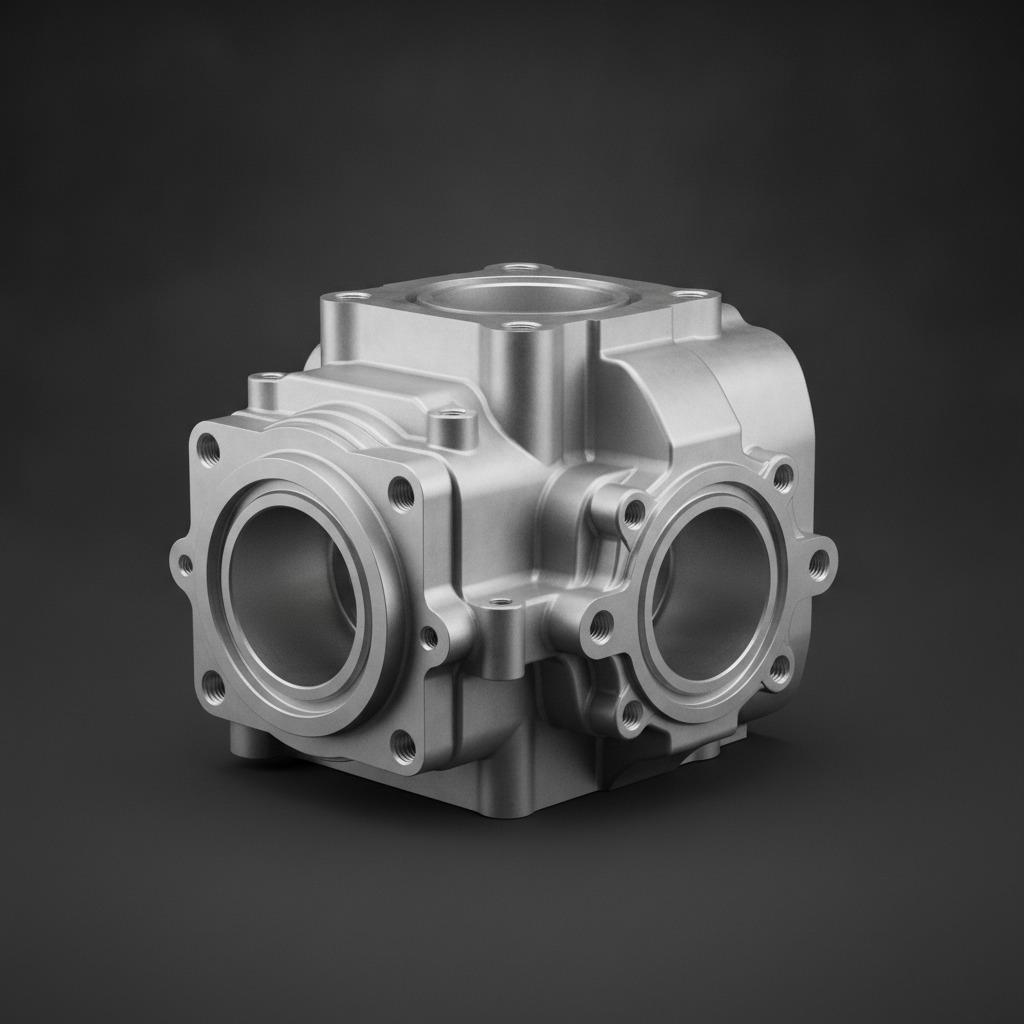
cnc
1. Why CNC matters for complex metal housings 2. What the part tells you about the manufacturing route 3. Key features buyers should evaluate 4. Why cast-and-machined aluminum is so common 5. Selection criteria that actually help 6. Practical buyer cautions 7. What to ask before you place an order 8. Next step
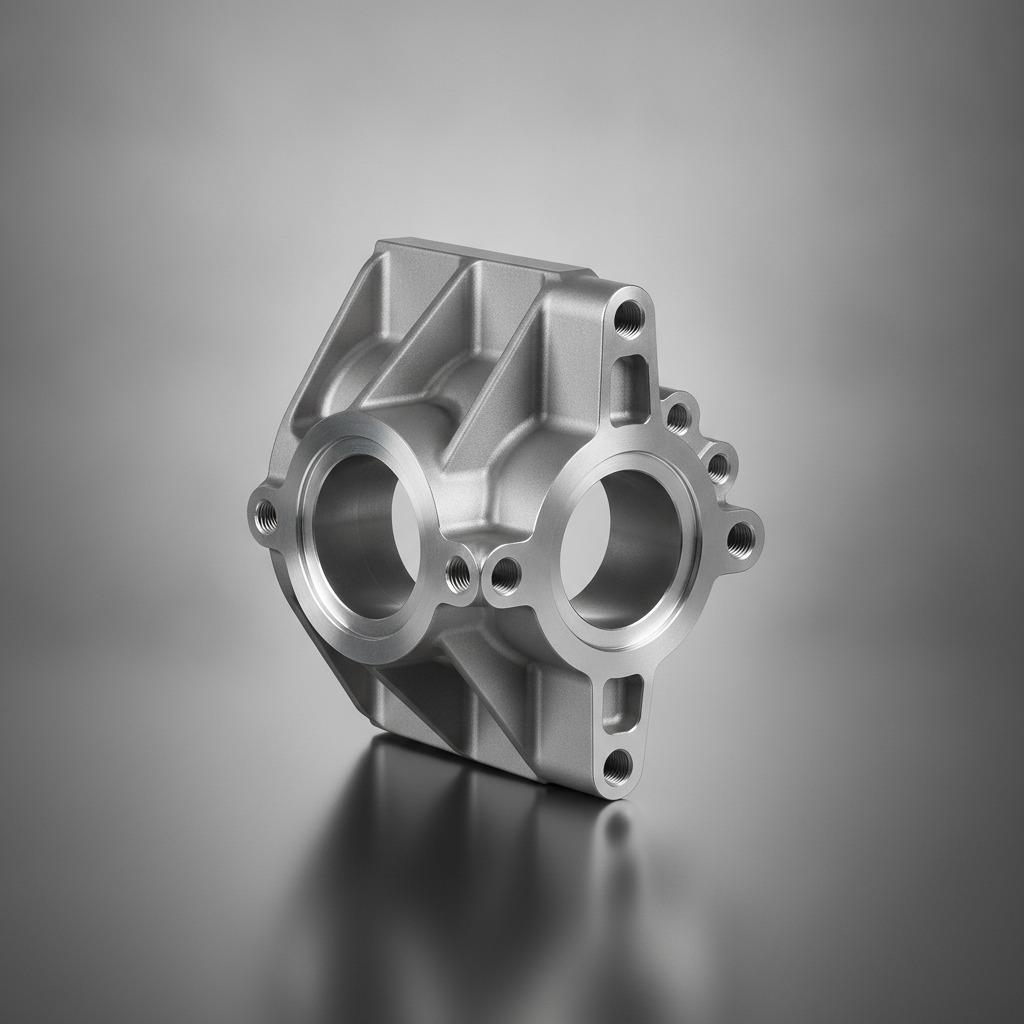
cnc
1. Why CNC machining matters for cast aluminum housings 2. What this kind of part is designed to do 3. Why high-pressure die casting is often paired with CNC machining 4. Key features buyers should evaluate 5. Common mistakes when sourcing this type of housing 6. What to ask a supplier before ordering 7. How this connects to real buyer decisions 8. FAQ: quick buyer questions 9. Next step
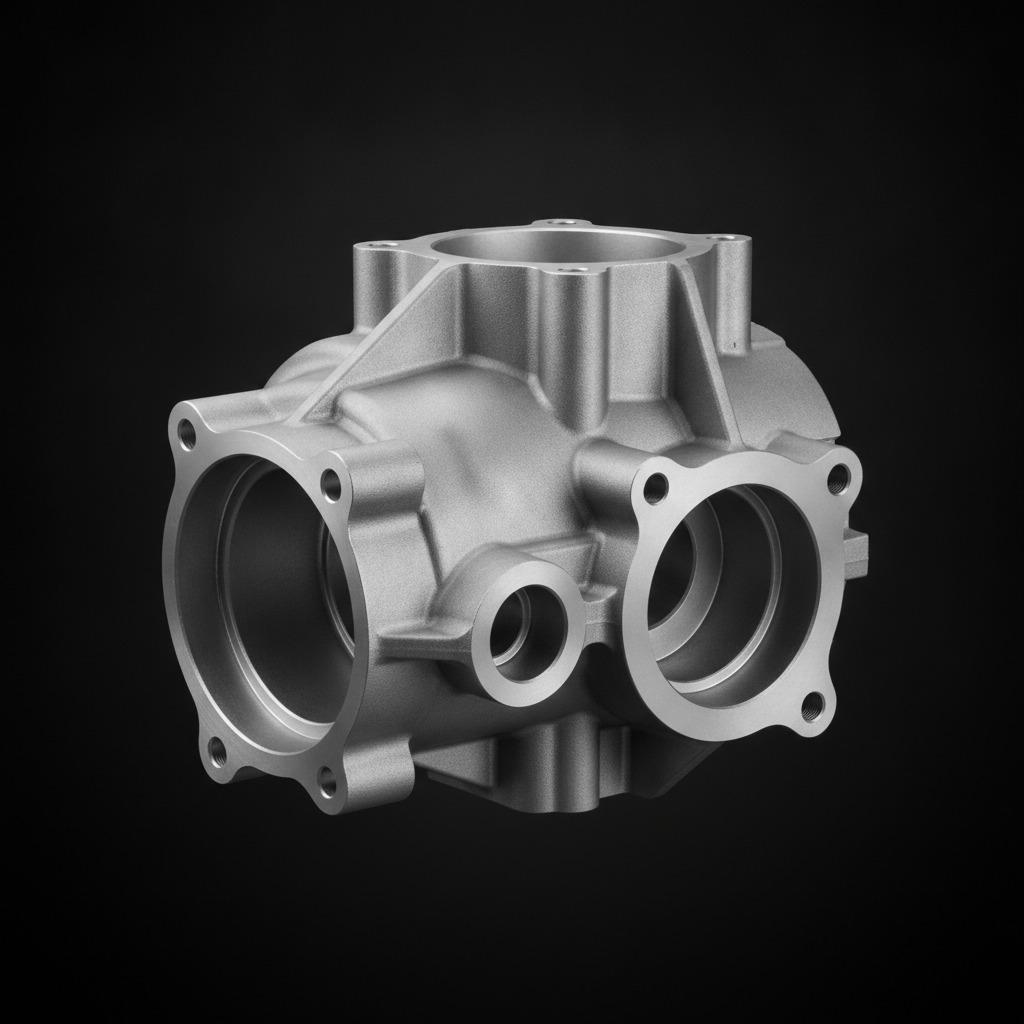
cnc
1. Why CNC machining matters on a complex cast housing 2. What buyers should look for first 3. How the casting and machining stages work together 4. Common sourcing mistakes with machined cast housings 5. Practical selection advice for engineering and procurement teams 6. FAQ: a few questions buyers usually ask 7. What to do next
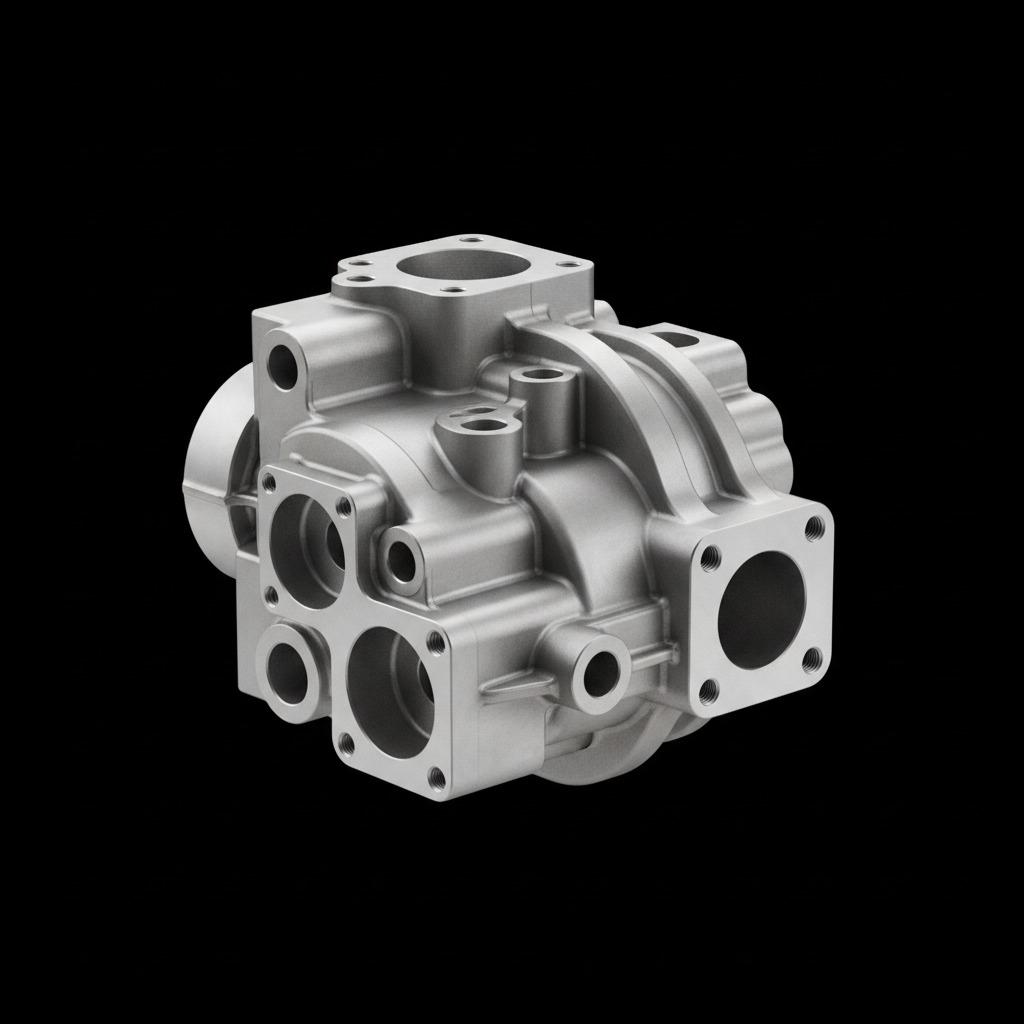
cnc
1. Why CNC matters on cast housings and functional bodies 2. What this type of part is trying to achieve 3. Quick buyer takeaway: what to check before you approve the part 4. Why cnc machining is the critical step 5. Design and sourcing criteria that matter most 6. Common mistakes buyers still make 7. Practical questions to ask a supplier 8. Next step
With complete high-speed and low-speed wire cut equipment and independent in-house finishing capacity, we provide free DFM analysis and one-stop technical consultation for all precision wire EDM projects.