
E01
Non-force Precision Machining
Adopts spark erosion processing without mechanical cutting force, effectively protecting thin-walled, fragile and ultra-hard parts from deformation and tool pressure damage.

We provide professional custom EDM (Electrical Discharge Machining) services focused on high-precision hard material and intricate structure component manufacturing. Equipped with advanced wire cut EDM, sinker EDM and hole drilling EDM equipment, we deliver one-stop EDM machining solutions from rapid prototyping to large-scale mass production. Our stable processing capacity ensures high-precision, burr-free and deformation-free quality for all complex custom parts with consistent batch stability.








تقوم شركة Zhonghanda بمراجعة الركيزة والأبعاد الحرجة واحتياجات المظهر ومتطلبات التشطيب معًا بحيث يدعم اختيار المواد التطبيق النهائي.
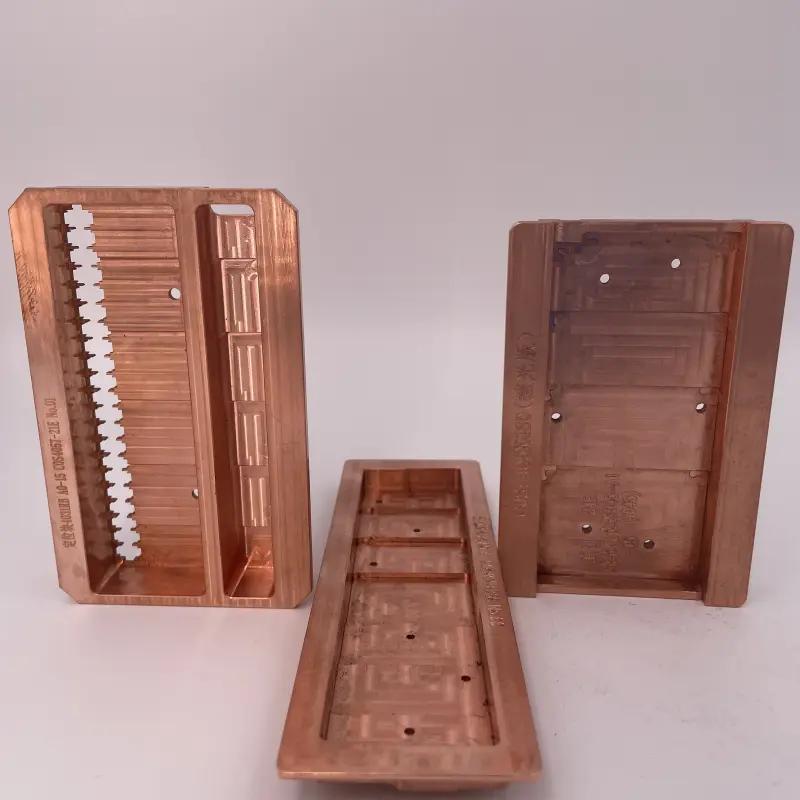
النحاس / النحاس
130+
Machine capacity
24H
Engineering response
F.A.I.
First article inspection
99.2%
Quality acceptance
Select the discharge route
A shaped electrode reproduces cavities, sharp internal geometry and deep details without direct tool contact.
Adopts spark erosion processing without mechanical cutting force, effectively protecting thin-walled, fragile and ultra-hard parts from deformation and tool pressure damage.
Capable of processing ultra-narrow slits, sharp inner corners, deep tiny cavities and irregular special-shaped structures that traditional cutting cannot complete.
Processes all conductive metals regardless of hardness, including hardened steel, tungsten steel and high-strength alloy materials without tool wear limitations.
Achieves micro-level precise material removal with no cutting burrs, eliminating secondary deburring procedures and improving part consistency.
Supports low MOQ prototype trial processing and stable large-batch production, adapting to diverse customized precision component demands.
Matched with full in-house surface finishing and precision inspection services to provide integrated finished product solutions.
We provide professional custom EDM (Electrical Discharge Machining) services focused on high-precision hard material and intricate structure component manufacturing. Equipped with advanced wire cut EDM, sinker EDM and hole drilling EDM equipment, we deliver one-stop EDM machining solutions from rapid prototyping to large-scale mass production. Our stable processing capacity ensures high-precision, burr-free and deformation-free quality for all complex custom parts with consistent batch stability.
Sinker EDM (Electrical Discharge Machining) is a non-contact precision manufacturing process that removes material via high-frequency electrical spark erosion. Different from traditional cutting methods, EDM generates no mechanical cutting force, making it ideal for ultra-hard metals, thin-walled fragile structures, sharp inner corners, narrow slits and intricate micro features that cannot be processed by conventional CNC machining. It achieves high-precision material removal with zero burrs, zero deformation and excellent dimensional repeatability.
Tolerance
±0.003mm ~ ±0.01mm
Minimum slit
0.05mm
Minimum hole
0.1mm
Roughness
Ra 0.4μm — Ra 1.6μm
Discharge machining envelope
Electrode-to-workpiece spark gap
Acceptable Files
STEP, IGES, DXF, DWG, PDF
Lead Time
3–5 days for prototypes, 10–15 days for mass production
Our EDM machining process is applicable to almost all conductive metal materials, free from material hardness and cutting difficulty limitations. We support conventional stainless steel, carbon steel, alloy steel, non-ferrous metals and ultra-hard mold alloys. Each material features stable spark discharge performance and controllable machining effects. Below are the mainstream processable metals, corresponding machining performance characteristics and commonly used material grades for your reference.
Hardness does not replace conductivity
Selected conductive material
Excellent conductivity and stable spark erosion effect, no burrs and no deformation after EDM processing. Ideal for corrosion-resistant precision structural parts and medical equipment components with strict dimensional requirements.
Common grades
303, 304, 316, 420, 440C
Electrode geometry defines the eroded feature
Selected spark-eroded component
Custom mold cores, narrow slit inserts and sharp-corner mold cavities with high hardness and high-precision matching for injection molds and stamping molds.
We deliver full in-house surface finishing solutions for all custom EDM components. All post-processing procedures are independently completed in our workshop, effectively removing tiny spark marks, improving surface smoothness, and enhancing corrosion resistance and wear resistance while retaining precise dimensional tolerances.
Post-process the spark-eroded surface without losing geometry
Selected post-process
Precision polishing removes tiny spark lines and micro surface defects left by EDM processing. Available in brushed and mirror finishes, it greatly improves surface smoothness for high-end assembly and aesthetic requirements.
Component families
Our high-precision custom EDM machining components are widely applied in high-standard precision manufacturing fields worldwide
Selected component family
Custom mold cores, narrow slit inserts and sharp-corner mold cavities with high hardness and high-precision matching for injection molds and stamping molds.
Select an industry scenario to review the matching application context.
Discuss an EDM ApplicationActive engineering chapter
Reserve a standard 0.01mm–0.03mm spark gap for all EDM mating surfaces. Zero-gap designs cause discharge interference and dimensional inaccuracy during spark erosion
Control the slit depth-to-width ratio within 8:1. Excessively deep and narrow slits lead to poor residue removal and unstable spark discharge, causing uneven surface finishes
Keep micro hole spacing above 0.2mm. Dense ultra-small holes generate concentrated heat during continuous discharge, triggering thermal deformation and dimensional deviation
A controlled route from electrode strategy to dimensional and surface verification.
EDM discharge route
Spark gap, access and flushing strategy are fixed before erosion begins.
Active gate 1 of 6
Confirm the cavity, slit, hole or contour, then identify critical dimensions, surface requirements and inspection datums.
EDM production evidence
±0.002mm
tightest stated EDM tolerance
0.05mm
minimum slit width
0.1mm
minimum hole diameter
Adopts electrical discharge machining with zero mechanical force, fundamentally eliminating deformation, tool extrusion damage and burr issues of thin-walled and hard materials.
Achieves precision tolerance up to ±0.002mm, stably reproducing sharp corners, ultra-narrow slits and micro hole features that traditional machining cannot complete.
Effectively processes all conductive metals including quenched steel and tungsten steel, breaking through the hardness limitation of conventional cutting tools.
Equipped with wire cut, sinker and drilling EDM equipment to meet full-process processing requirements of cavities, slits, holes and special-shaped structures.
Integrates machining, deburring, surface finishing and precision testing to simplify procurement procedures and ensure stable batch quality.
Every batch of EDM parts undergoes full dimensional inspection and surface quality testing, with official inspection reports provided before delivery.
اقرأ المقالات الفنية الحديثة المتعلقة بهذه الخدمة قبل إعداد طلب عرض الأسعار الخاص بك.
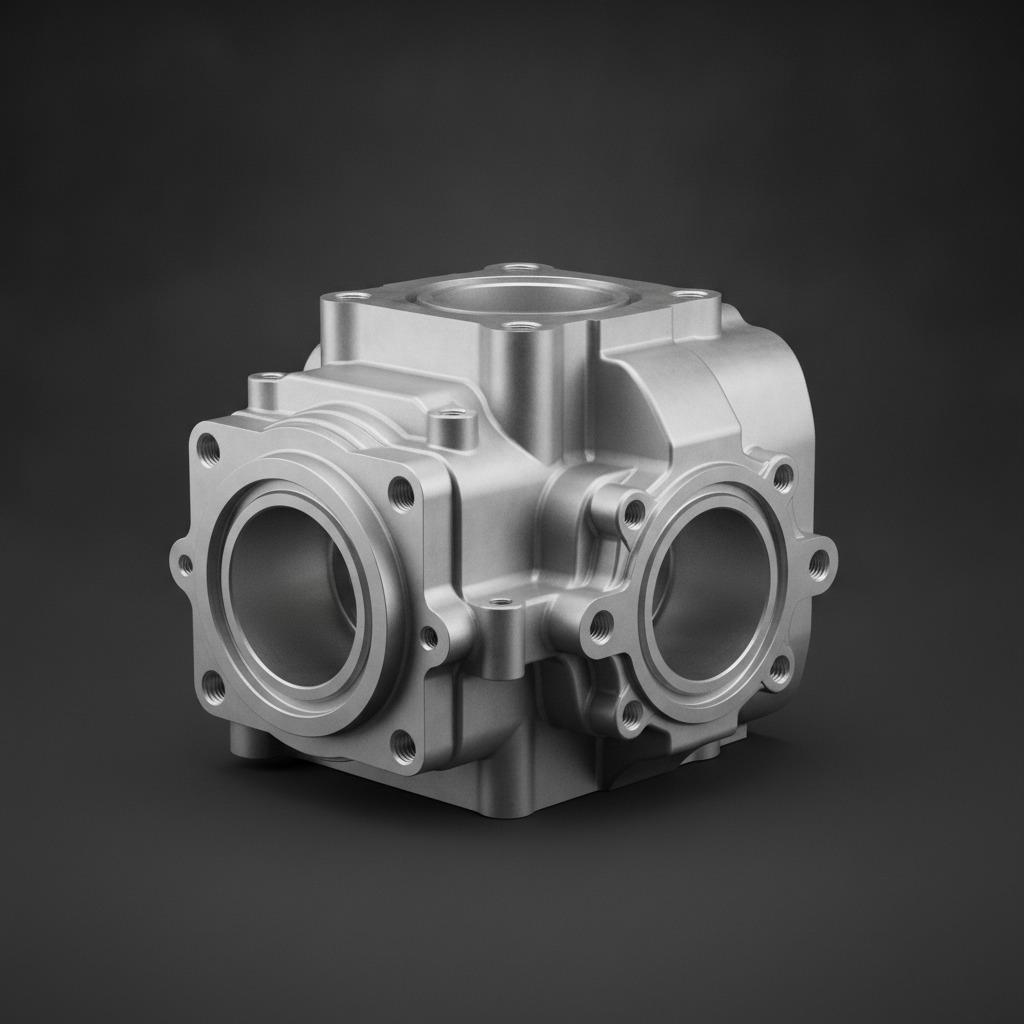
التحكم الرقمي الحاسوبي (CNC)
1. لماذا تُعدّ تقنية التحكم الرقمي بالحاسوب (CNC) مهمة للهياكل المعدنية المعقدة؟ 2. ما تخبرك به القطعة عن مسار التصنيع 3. الميزات الرئيسية التي يجب على المشترين تقييمها 4. لماذا يُعدّ الألمنيوم المصبوب والمُشَكَّل شائعًا جدًا؟ 5. معايير الاختيار التي تساعد بالفعل 6. تحذيرات عملية للمشتري 7. ما يجب الاستفسار عنه قبل تقديم الطلب 8. الخطوة التالية
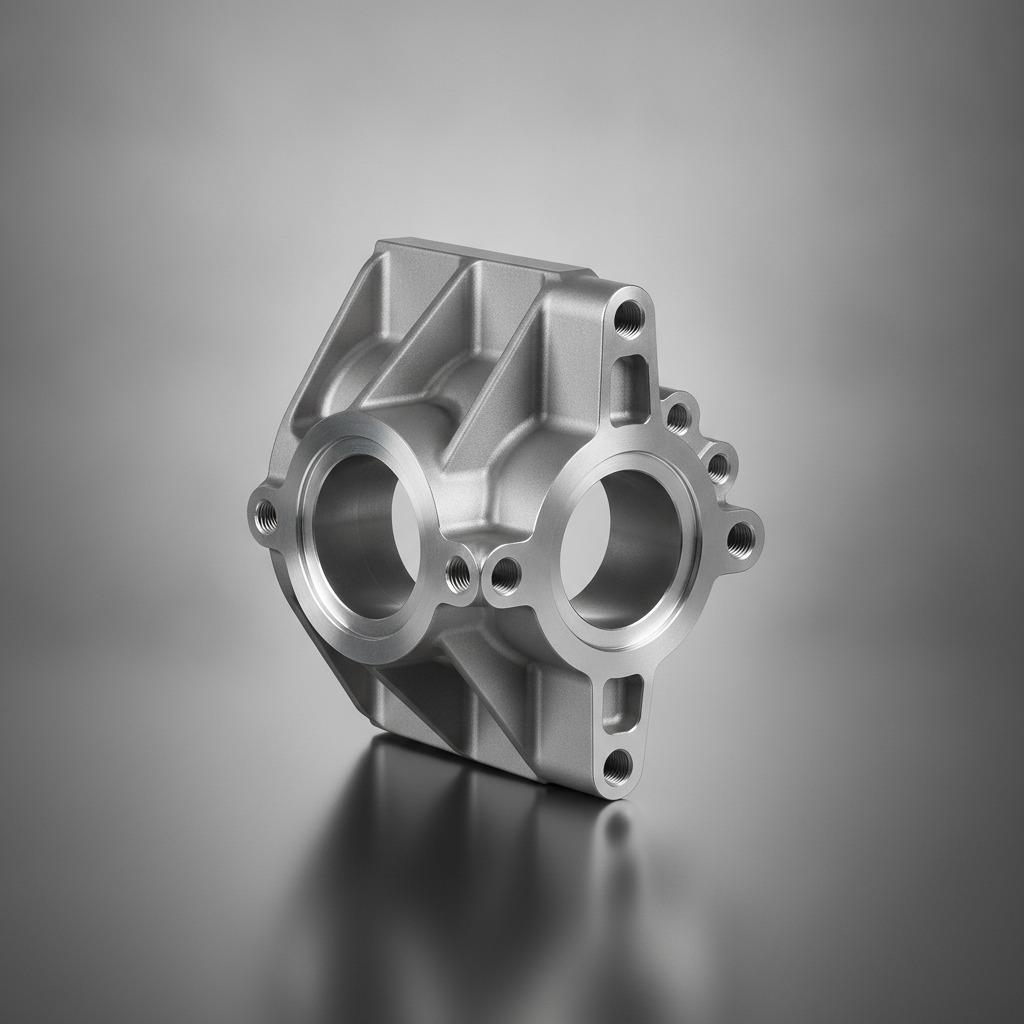
التحكم الرقمي الحاسوبي (CNC)
1. لماذا تُعدّ عمليات التصنيع باستخدام الحاسوب (CNC) مهمة لهياكل الألمنيوم المصبوب؟ 2. ما هو الغرض من تصميم هذا النوع من الأجزاء؟ 3. لماذا غالبًا ما يتم إقران عملية صب القوالب بالضغط العالي مع التصنيع باستخدام الحاسوب (CNC)؟ 4. الميزات الرئيسية التي يجب على المشترين تقييمها 5. الأخطاء الشائعة عند البحث عن هذا النوع من المساكن 6. ما يجب سؤاله للمورد قبل الطلب 7. كيف يرتبط هذا بقرارات الشراء الفعلية 8. الأسئلة الشائعة: أسئلة سريعة للمشترين 9. الخطوة التالية
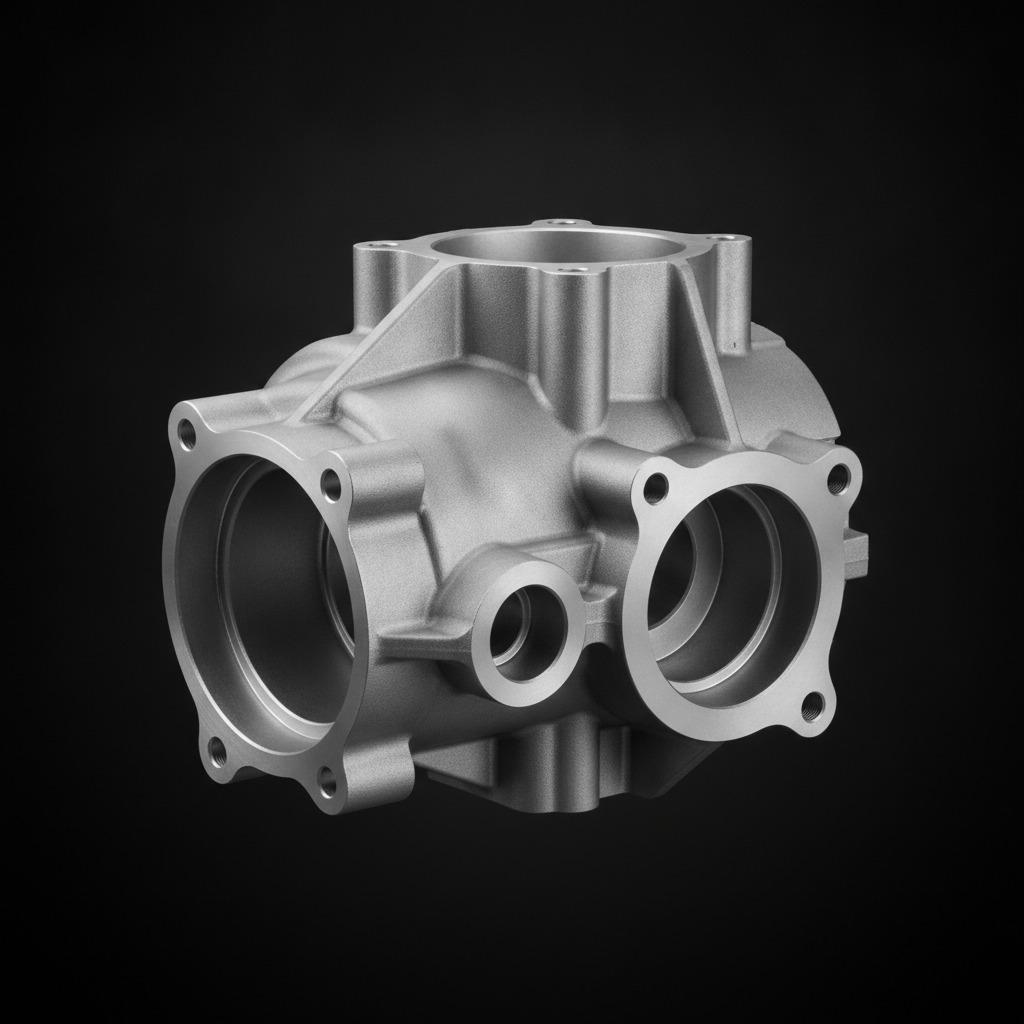
التحكم الرقمي الحاسوبي (CNC)
1. لماذا تُعدّ عمليات التصنيع باستخدام الحاسوب (CNC) مهمة في صناعة الهياكل المصبوبة المعقدة؟ 2. ما الذي يجب على المشترين البحث عنه أولاً؟ 3. كيف تعمل مراحل الصب والتشغيل معًا 4. أخطاء شائعة في اختيار مصادر الهياكل المصبوبة المشغولة آليًا 5. نصائح عملية لاختيار فرق الهندسة والمشتريات ٦. الأسئلة الشائعة: بعض الأسئلة التي يطرحها المشترون عادةً 7. ما الخطوة التالية؟
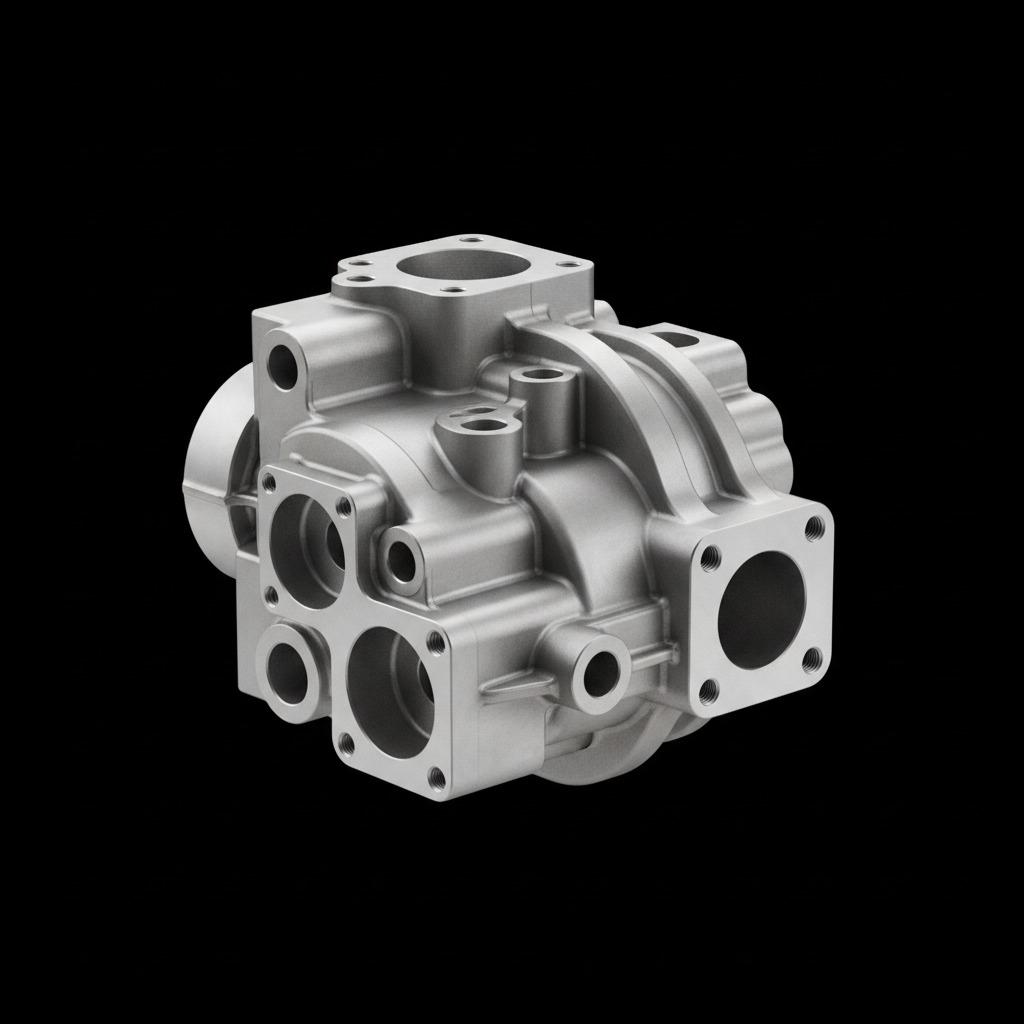
التحكم الرقمي الحاسوبي (CNC)
1. لماذا تُعدّ تقنية التحكم الرقمي بالحاسوب (CNC) مهمة في صناعة الهياكل المصبوبة والأجسام الوظيفية؟ 2. ما الذي يسعى هذا النوع من الأجزاء إلى تحقيقه 3. نصيحة سريعة للمشتري: ما يجب التحقق منه قبل الموافقة على القطعة 4. لماذا تُعدّ عملية التصنيع باستخدام الحاسوب (CNC) خطوة حاسمة؟ 5. معايير التصميم والتوريد الأكثر أهمية 6. الأخطاء الشائعة التي لا يزال المشترون يرتكبونها 7. أسئلة عملية لطرحها على المورد 8. الخطوة التالية
Equipped with full-series EDM processing equipment and complete in-house surface finishing capacity, we provide free DFM analysis and one-stop technical consultation for all complex precision component projects.