

Efficient & Stable Surface Finishing Services
نقدم خدمات تصنيع CNC مخصصة حسب الطلب، تشمل الخراطة والتفريز والتفريغ الكهربائي والقطع بالسلك وغيرها من العمليات. وننتج أجزاء معدنية وبلاستيكية دقيقة بدءًا من النماذج الأولية وحتى الإنتاج الكمي.
We provide full-range CNC part surface finishing solutions, delivering reliable rust prevention, wear resistance, insulation, corrosion protection and aesthetic optimization. We customize appearance and performance for precision metal and plastic components, catering to industrial, medical, automation and aerospace applications.
نحن موثوقون بهاشركاء مثل








الأجزاء التمثيلية المصنعة باستخدام الحاسب الآلي التي ندعمها
تقوم شركة Zhonghanda بمراجعة الركيزة والأبعاد الحرجة واحتياجات المظهر ومتطلبات التشطيب معًا بحيث يدعم اختيار المواد التطبيق النهائي.
الألومنيوم
Finish Plan
Process control
Masking
Critical surfaces
Video QC
Shipment evidence
99.2%
Quality acceptance
What is Surface Finishing?
Material + environment + tolerance + appearance
Surface finishing is a process that forms functional or decorative coatings on the surfaces of various components (such as metal and plastic) through physical, chemical, or electrochemical methods.
We operate our own independent surface finishing factory, offering over 50 customized finishing types to deliver one-stop solutions spanning CNC machining to professional surface treatment. Equipped with dual expertise in precision machining and surface finishing, we enable optimal matching of workpiece materials and finishing processes, effectively cutting production costs, streamlining workflows and accelerating order delivery for customized components. We provide tailored surface treatment solutions based on your product operating environment, functional requirements and aesthetic standards, along with free professional process consultation and accurate quotations.
In-house finishing stack
50+ finishing routes selected as a complete layer system, not a decorative afterthought.
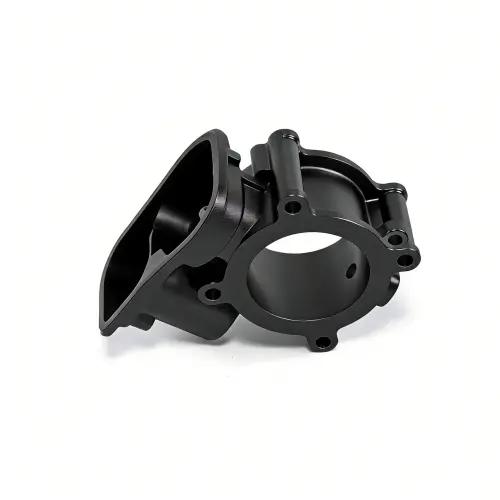
Why Surface Finishing is Essential?
Professional CNC surface finishing upgrades functional performance, optimizes visual aesthetics, improves assembly compatibility, and boosts component durability, empowering custom metal and plastic parts to deliver stable performance in complex industrial scenarios,making it a critical step from component forming to finished products.
Selected finishing objective
Performance Upgrade
Enhances wear resistance, rust prevention, corrosion resistance, insulation, and high-temperature resistance.
Surface Finishing We Offer
Choose by function, not by process name
Compare material compatibility, coating behavior, protection level, cost and best application before opening the complete technical record.
20
Processes
4
Families
Chemical conversion
Thin conversion layers that improve corrosion behavior while protecting dimensional accuracy.
Selected process record
As Machined
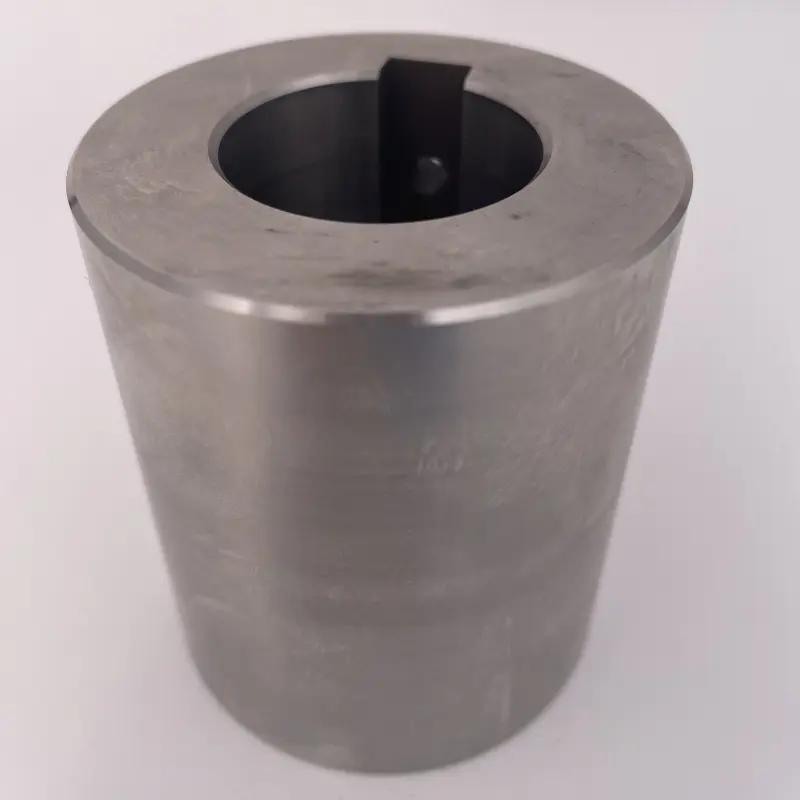
Following machining, the parts undergo no secondary surface treatment, retaining only a standard finish with a surface roughness of 3.2 μm (126 μin); sharp edges are removed, and the parts are thoroughly deburred.
Applicable materials
Metals, Plastics
Surface color
Original color, featuring uniform machining marks on the surface with distinct textures.
Zero dimensional deviation, no surface coating, no alteration of part tolerances, and only machining costs.
- Corrosion Resistance
- Level 11/5
- Wear Resistance
- Level 11/5
- Surface Roughness
- Level 33/5
- Cost Level
- Level 11/5
Best application
Internal structural components, non-visible parts, precision-fit components, and non-standard general machinery parts.
Disadvantages
Lacks rust-proofing, wear resistance, and decorative qualities; prone to oxidation and rusting.
Extremely high precision, high cost-effectiveness, and no interference with assembly.
Material Compatibility Instructions
Many customers are unsure which surface treatment processes are suitable for different steel and aluminum materials. Below are the application recommendations for some common materials.
Material
Aluminum alloy
Suitable Surface Treatment Process
Common appearance color differences & quality standards
We implement strict standardized quality control for all CNC surface finishing procedures. Every custom part finishing process follows unified factory specifications on color consistency, surface gloss and appearance tolerance. Our strict metal surface treatment quality standards eliminate unstable finishing defects, ensuring uniform, durable and aesthetic surface effects for all precision machined components.
Selected release standard
Standard color range of each finishing
Every CNC surface finishing option, including anodizing, phosphating, sandblasting, electroplating and powder coating, complies with unified factory color standards. We strictly control base material conditions, solution concentration, processing temperature and treatment duration to deliver consistent color tones and qualified surface effects for all custom machined parts.
Surface Finishing Case Presentation
View more CNC surface finishing project cases, contact us for customized solutions.
Anodizing
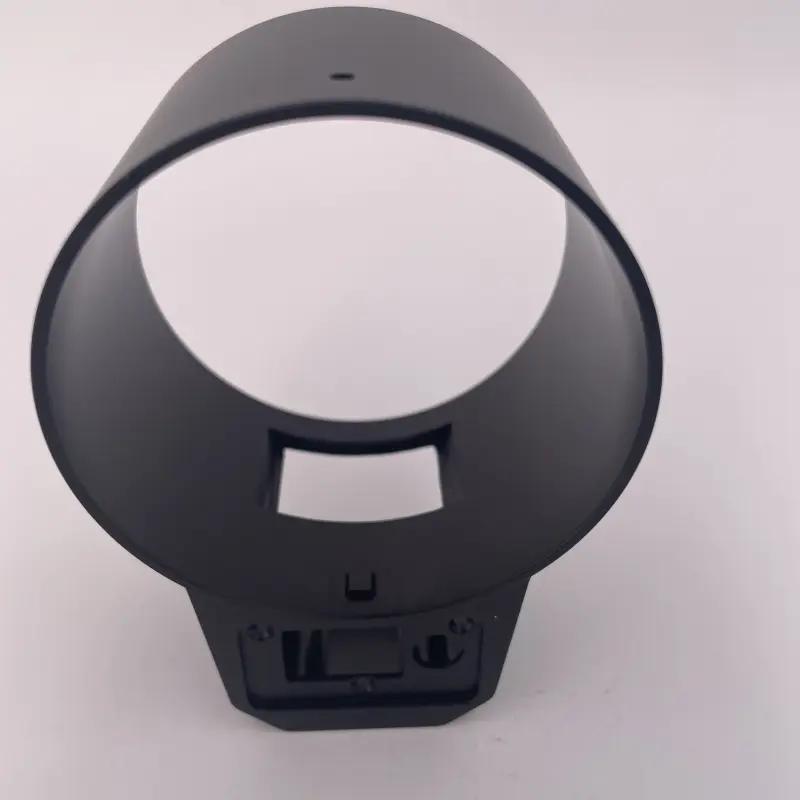
Anodized aluminum housing for automation equipment, featuring uniform color, superior wear and corrosion resistance with precise dimensions for industrial assembly.
Efficient & Stable Surface Finishing Services المقالات
اقرأ المقالات الفنية الحديثة المتعلقة بهذه الخدمة قبل إعداد طلب عرض الأسعار الخاص بك.
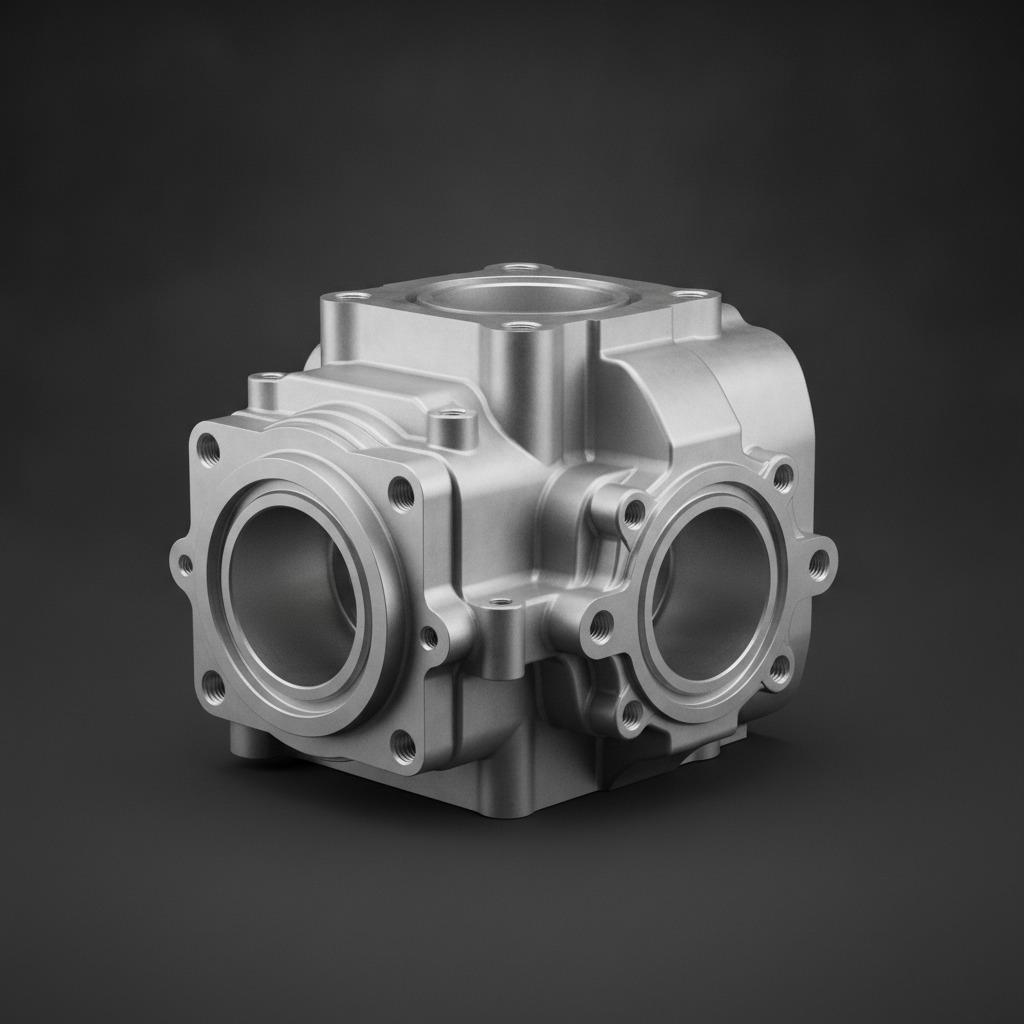
التحكم الرقمي الحاسوبي (CNC)
التصنيع باستخدام الحاسوب (CNC) للهياكل المعدنية المعقدة: ما يجب على المشترين معرفته
1. لماذا تُعدّ تقنية التحكم الرقمي بالحاسوب (CNC) مهمة للهياكل المعدنية المعقدة؟ 2. ما تخبرك به القطعة عن مسار التصنيع 3. الميزات الرئيسية التي يجب على المشترين تقييمها 4. لماذا يُعدّ الألمنيوم المصبوب والمُشَكَّل شائعًا جدًا؟ 5. معايير الاختيار التي تساعد بالفعل 6. تحذيرات عملية للمشتري 7. ما يجب الاستفسار عنه قبل تقديم الطلب 8. الخطوة التالية
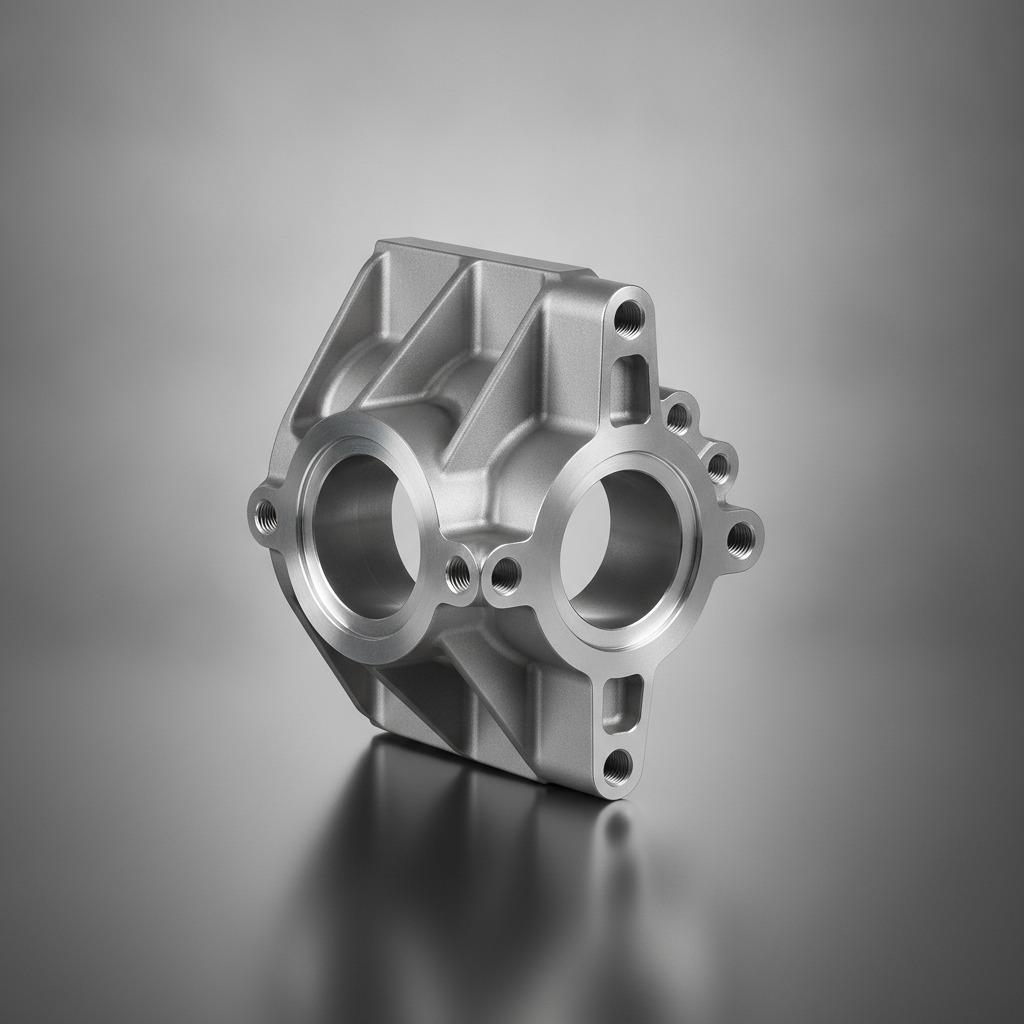
التحكم الرقمي الحاسوبي (CNC)
التصنيع باستخدام الحاسوب (CNC) لهياكل الألمنيوم المصبوب: ما يجب على المشترين التحقق منه
1. لماذا تُعدّ عمليات التصنيع باستخدام الحاسوب (CNC) مهمة لهياكل الألمنيوم المصبوب؟ 2. ما هو الغرض من تصميم هذا النوع من الأجزاء؟ 3. لماذا غالبًا ما يتم إقران عملية صب القوالب بالضغط العالي مع التصنيع باستخدام الحاسوب (CNC)؟ 4. الميزات الرئيسية التي يجب على المشترين تقييمها 5. الأخطاء الشائعة عند البحث عن هذا النوع من المساكن 6. ما يجب سؤاله للمورد قبل الطلب 7. كيف يرتبط هذا بقرارات الشراء الفعلية 8. الأسئلة الشائعة: أسئلة سريعة للمشترين 9. الخطوة التالية
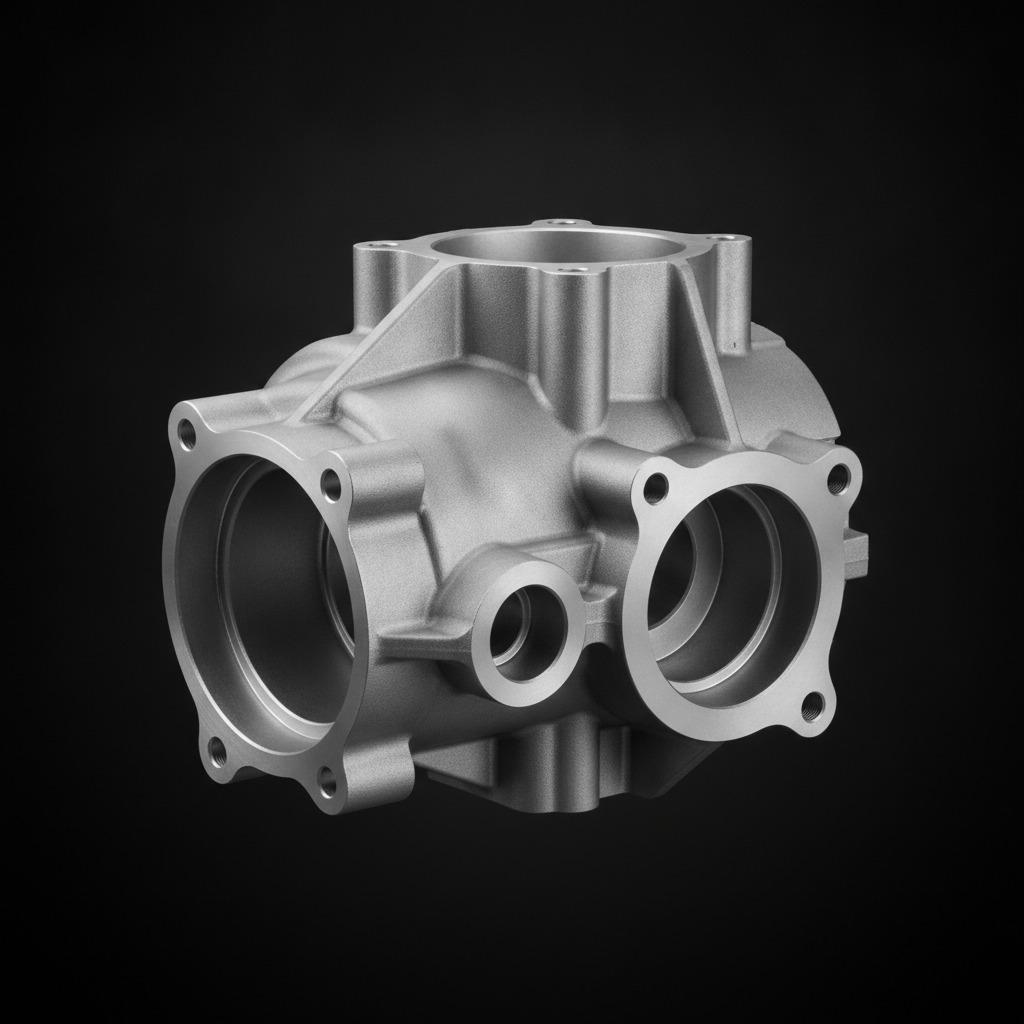
التحكم الرقمي الحاسوبي (CNC)
التصنيع باستخدام الحاسوب (CNC) لأجزاء الهياكل المصبوبة المعقدة
1. لماذا تُعدّ عمليات التصنيع باستخدام الحاسوب (CNC) مهمة في صناعة الهياكل المصبوبة المعقدة؟ 2. ما الذي يجب على المشترين البحث عنه أولاً؟ 3. كيف تعمل مراحل الصب والتشغيل معًا 4. أخطاء شائعة في اختيار مصادر الهياكل المصبوبة المشغولة آليًا 5. نصائح عملية لاختيار فرق الهندسة والمشتريات ٦. الأسئلة الشائعة: بعض الأسئلة التي يطرحها المشترون عادةً 7. ما الخطوة التالية؟
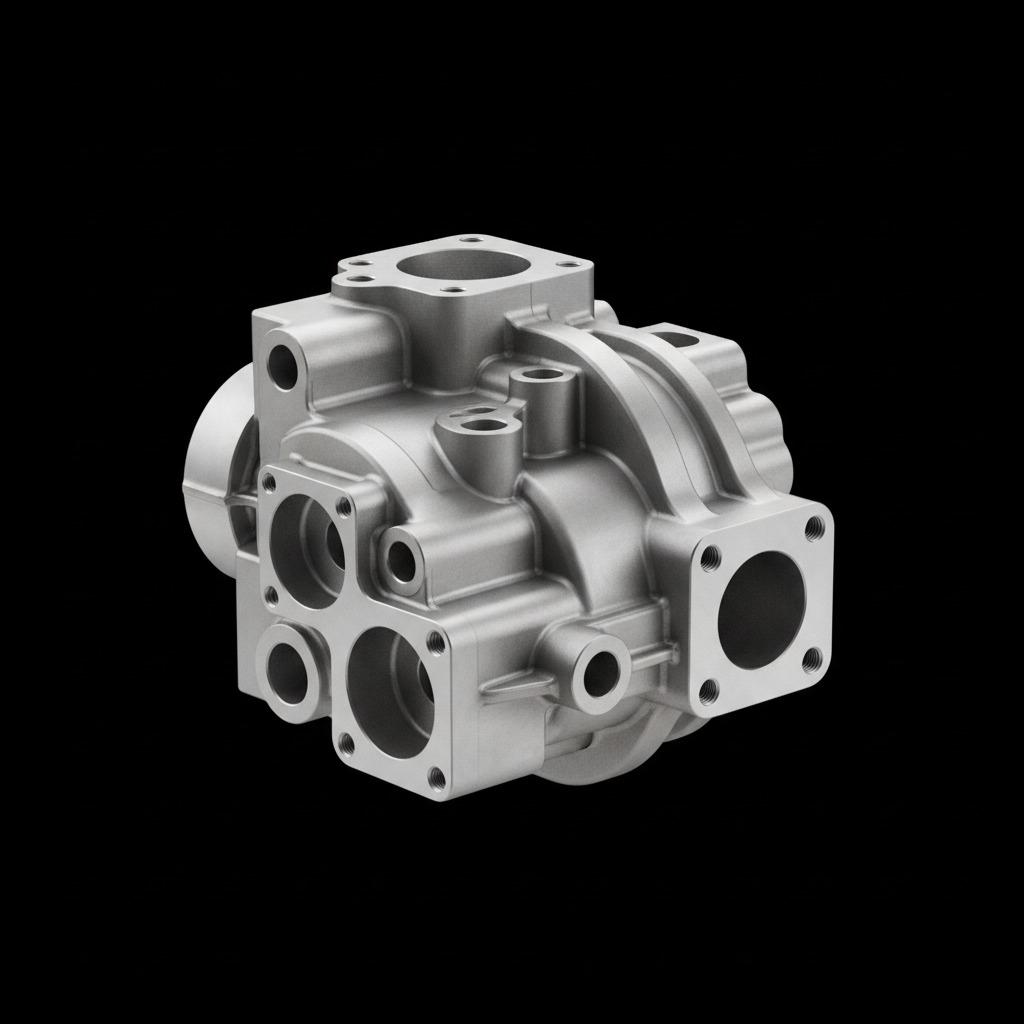
التحكم الرقمي الحاسوبي (CNC)
التصنيع باستخدام الحاسوب (CNC) للهياكل الصناعية المصبوبة: ما يجب على المشترين التحقق منه
1. لماذا تُعدّ تقنية التحكم الرقمي بالحاسوب (CNC) مهمة في صناعة الهياكل المصبوبة والأجسام الوظيفية؟ 2. ما الذي يسعى هذا النوع من الأجزاء إلى تحقيقه 3. نصيحة سريعة للمشتري: ما يجب التحقق منه قبل الموافقة على القطعة 4. لماذا تُعدّ عملية التصنيع باستخدام الحاسوب (CNC) خطوة حاسمة؟ 5. معايير التصميم والتوريد الأكثر أهمية 6. الأخطاء الشائعة التي لا يزال المشترون يرتكبونها 7. أسئلة عملية لطرحها على المورد 8. الخطوة التالية
What is the difference between anodizing and powder coating?
Is phosphating suitable for 4140 steel parts?
Which surface finish is best for corrosion resistance?
Will surface finishing affect part dimension tolerance?
What surface finish is best for moving mechanical parts?
Can different surface finishes be applied to the same part?
Why do finished metal parts show color deviation?
Does stainless steel require surface finishing?
Elevate Your Product's Surface Performance
Our in-house workshop offers 50+ professional CNC surface finishing options and integrated one-stop CNC machining & metal surface treatment services. Leveraging dual expertise in precision manufacturing and custom part finishing, we match optimal surface processes for diverse materials to reduce costs, shorten lead times and enhance quality, providing tailored custom surface treatment solutions with free consultation and precise quotations.