
C01
Tolerance
±0.002mm ~ ±0.05mm

We offer premium custom Swiss-type lathe machining services specialized in ultra-precision miniature and slender component manufacturing. Equipped with high-performance sliding headstock Swiss lathes and a full in-house surface finishing workshop, we provide one-stop Swiss machining solutions from rapid prototyping to large-scale mass production. Our stable monthly production capacity guarantees consistent precision, reliable batch quality and efficient lead times for all custom micro component orders.










تقوم شركة Zhonghanda بمراجعة الركيزة والأبعاد الحرجة واحتياجات المظهر ومتطلبات التشطيب معًا بحيث يدعم اختيار المواد التطبيق النهائي.
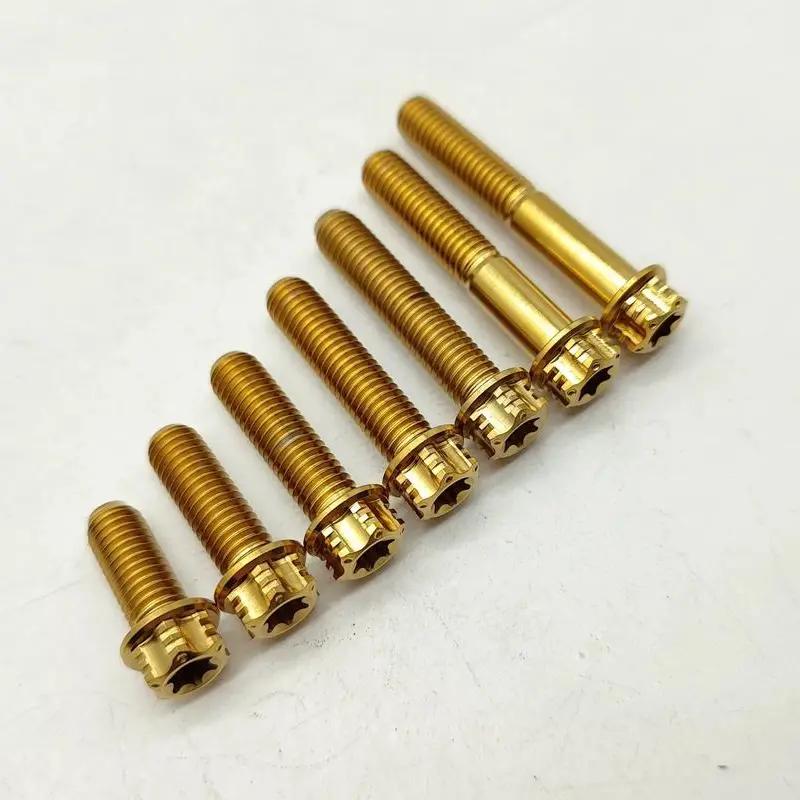
التيتانيوم
110 Team
Production specialists
24H
Engineering response
F.A.I.
First article inspection
Video QC
Shipment documentation
Follow the bar through the machine
Active machine stage
The guide bushing shortens unsupported length so slender stock resists chatter, bending and runout.
We offer premium custom Swiss-type lathe machining services specialized in ultra-precision miniature and slender component manufacturing. Equipped with high-performance sliding headstock Swiss lathes and a full in-house surface finishing workshop, we provide one-stop Swiss machining solutions from rapid prototyping to large-scale mass production. Our stable monthly production capacity guarantees consistent precision, reliable batch quality and efficient lead times for all custom micro component orders.
Swiss-type lathe machining is a specialized precision manufacturing process featuring a sliding headstock structure, uniquely designed for producing ultra-slender, tiny, and high-precision complex components. Different from conventional fixed-head CNC turning, the sliding headstock moves with the workpiece during processing, which greatly shortens the tool overhang, eliminates workpiece vibration and micro-deformation, and delivers exceptional straightness and coaxiality for miniature slender parts. It realizes one-time composite forming of turning, milling, drilling and tapping, effectively solving the processing difficulties of high-precision micro components that are difficult to complete by ordinary CNC machines.
Selected Swiss advantage
Specializes in ultra-small, ultra-slender and high-coaxiality micro parts, delivering micron-level precision to meet strict dimensional and tolerance requirements for miniature components.
Tolerance
±0.002mm ~ ±0.05mm
Diameter
0.5mm — 32mm
Length
300mm
Roughness
Ra 0.4μm — Ra 1.6μm
Micro component envelope
Ø0.5
minimum stated processing diameter
Supported slenderness
Material remains supported close to the cutting point while the sliding headstock feeds the workpiece through the guide bushing.
Machining Type
Swiss-type Turning, Milling, Drilling, Tapping, Grooving
Acceptable Files
STEP, IGES, DXF, DWG, PDF
Lead Time
3–5 days for prototypes, 10–15 days for mass production
Micro stock / guide support
Selected family
We machine a comprehensive range of premium metal materials for custom Swiss-type lathe components, including aluminum alloy, stainless steel, carbon steel, alloy steel (4140), brass, copper, titanium alloy and magnesium alloy. All raw metal materials undergo strict quality inspection to deliver high rigidity, exceptional coaxiality and stable surface performance for ultra-precision miniature industrial components.
Selected micro component
Custom high-coaxiality slender transmission shafts, micro motor shafts and sensor mandrels with ultra-tight dimensional tolerances for precision mechanical transmission systems.
We deliver full in-house surface finishing solutions for all custom Swiss-type lathe components. All surface modification processes are completed independently in our workshop, ensuring unified batch appearance, enhanced surface hardness, superior corrosion resistance and long-term durability for ultra-precision micro parts.
Protected micro zone: Micro thread
Micro finish control
As a cost-effective surface treatment for steel Swiss machining parts, phosphating forms a uniform gray phosphate conversion film on steel surfaces to enhance wear resistance and paint adhesion without damaging ultra-precision micro dimensional tolerances.
Component families
Our high-precision custom Swiss-type lathe components are widely applied in various high-standard precision industrial fields worldwide
Selected component family
Custom high-coaxiality slender transmission shafts, micro motor shafts and sensor mandrels with ultra-tight dimensional tolerances for precision mechanical transmission systems.
Select an industry scenario to review the matching application context.
Discuss a Swiss Machining ApplicationSlendernessMicro toolFeature access
Active chapter
Unsupported L/D ≤ 12:1
Keep the length-to-diameter ratio (L/D) within 12:1 for unsupported slender parts to avoid deflection, chatter and straightness errors during high-speed Swiss machining. For extra-long micro shafts, add auxiliary support structures or segmented design to guarantee precision and stability
Balance milling around circumference
Minimize large asymmetric milling cutouts and heavy unilateral material removal on slender blanks. Unbalanced cutting force causes vibration and coaxiality deviation on small-diameter Swiss parts. Distribute milling features evenly around the circumference whenever possible
Use standard micro tooling
Design holes, slots and threads with standard micro tool dimensions. Avoid custom tiny drill bits and special-shaped end mills, which increase cost, prolong lead time and reduce batch stability for high-volume Swiss production
سير عمل إنتاج خاضع للرقابة لـ Precision Swiss-type Lathe Services | Custom Swiss Machining Parts Manufacturer، بدءًا من المراجعة الهندسية وإعداد المهام وحتى الفحص النهائي والتسليم.
Continuous-feed traveler
Validate one production cycle, then repeat it across the bar.
Active gate 1 of 6
التأكد من متطلبات Precision Swiss-type Lathe Services | Custom Swiss Machining Parts Manufacturer ومراجعة الرسومات وإعداد أدوات الفحص وترتيب المواد المطلوبة قبل بدء الإنتاج.
Swiss precision advantage
±0.002mm
tightest stated tolerance
Equipped with advanced sliding headstock equipment to suppress high-speed vibration, delivering stable ultra-high precision for slender and miniature parts that conventional CNC lathes cannot manufacture.
Achieves precision tolerance up to ±0.002mm, ensuring outstanding coaxiality, straightness and superior surface finish for complex micro composite components.
Completes turning, milling, drilling and tapping in one single clamping setup, eliminating secondary clamping errors and improving component consistency and production efficiency.
All professional surface treatment processes are finished in our factory, simplifying customer procurement procedures and realizing stable batch quality control.
Adopts automatic continuous feeding production mode to support large-batch custom Swiss parts manufacturing with stable quality and fast turnaround.
Every batch of micro components undergoes comprehensive high-precision dimensional testing and appearance inspection, with official quality inspection reports provided before delivery.
اقرأ المقالات الفنية الحديثة المتعلقة بهذه الخدمة قبل إعداد طلب عرض الأسعار الخاص بك.
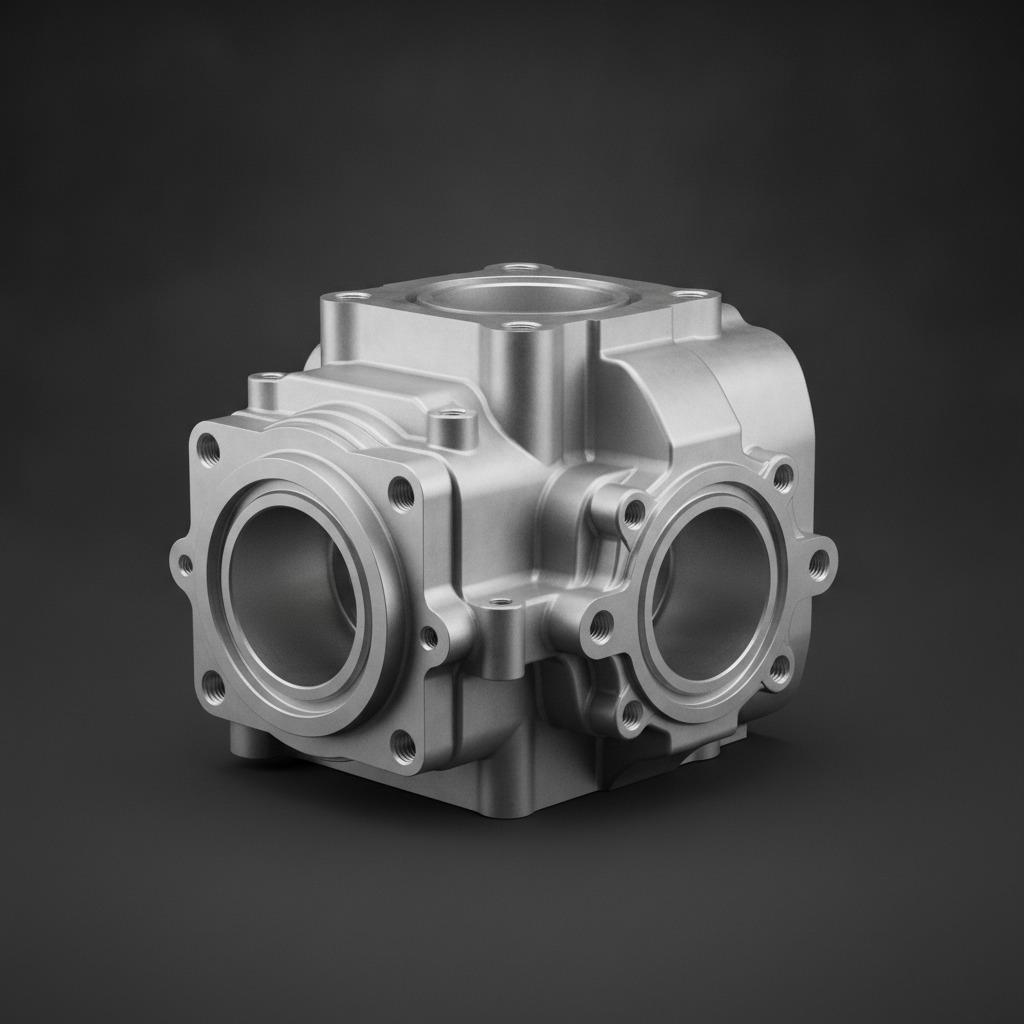
التحكم الرقمي الحاسوبي (CNC)
1. لماذا تُعدّ تقنية التحكم الرقمي بالحاسوب (CNC) مهمة للهياكل المعدنية المعقدة؟ 2. ما تخبرك به القطعة عن مسار التصنيع 3. الميزات الرئيسية التي يجب على المشترين تقييمها 4. لماذا يُعدّ الألمنيوم المصبوب والمُشَكَّل شائعًا جدًا؟ 5. معايير الاختيار التي تساعد بالفعل 6. تحذيرات عملية للمشتري 7. ما يجب الاستفسار عنه قبل تقديم الطلب 8. الخطوة التالية
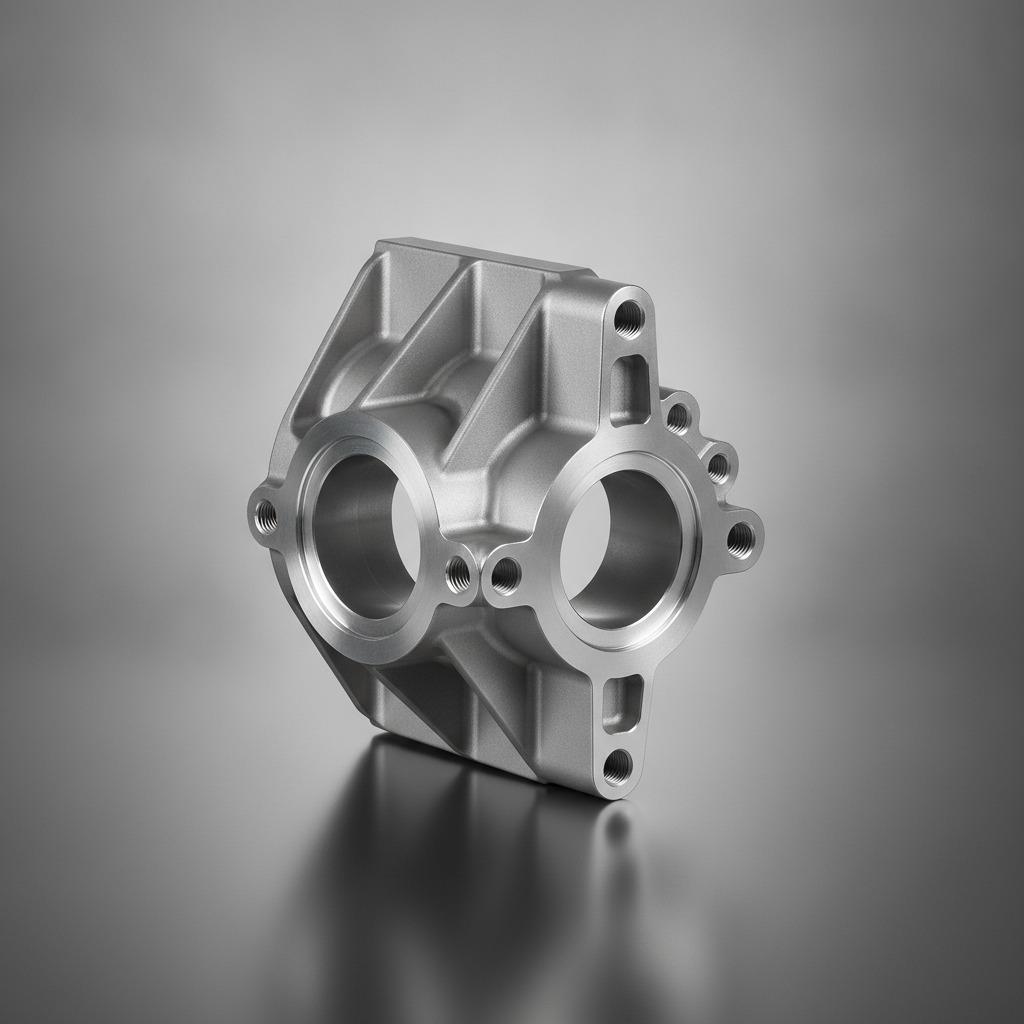
التحكم الرقمي الحاسوبي (CNC)
1. لماذا تُعدّ عمليات التصنيع باستخدام الحاسوب (CNC) مهمة لهياكل الألمنيوم المصبوب؟ 2. ما هو الغرض من تصميم هذا النوع من الأجزاء؟ 3. لماذا غالبًا ما يتم إقران عملية صب القوالب بالضغط العالي مع التصنيع باستخدام الحاسوب (CNC)؟ 4. الميزات الرئيسية التي يجب على المشترين تقييمها 5. الأخطاء الشائعة عند البحث عن هذا النوع من المساكن 6. ما يجب سؤاله للمورد قبل الطلب 7. كيف يرتبط هذا بقرارات الشراء الفعلية 8. الأسئلة الشائعة: أسئلة سريعة للمشترين 9. الخطوة التالية
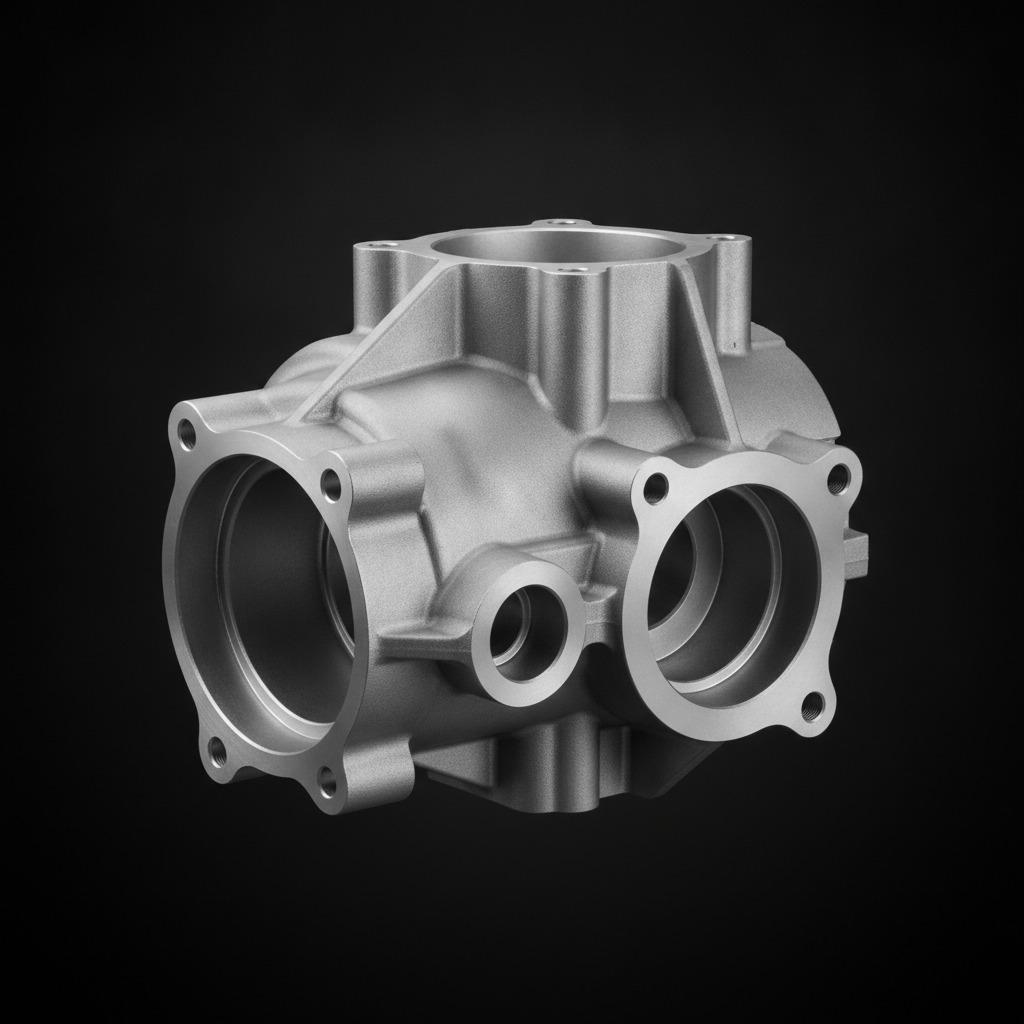
التحكم الرقمي الحاسوبي (CNC)
1. لماذا تُعدّ عمليات التصنيع باستخدام الحاسوب (CNC) مهمة في صناعة الهياكل المصبوبة المعقدة؟ 2. ما الذي يجب على المشترين البحث عنه أولاً؟ 3. كيف تعمل مراحل الصب والتشغيل معًا 4. أخطاء شائعة في اختيار مصادر الهياكل المصبوبة المشغولة آليًا 5. نصائح عملية لاختيار فرق الهندسة والمشتريات ٦. الأسئلة الشائعة: بعض الأسئلة التي يطرحها المشترون عادةً 7. ما الخطوة التالية؟
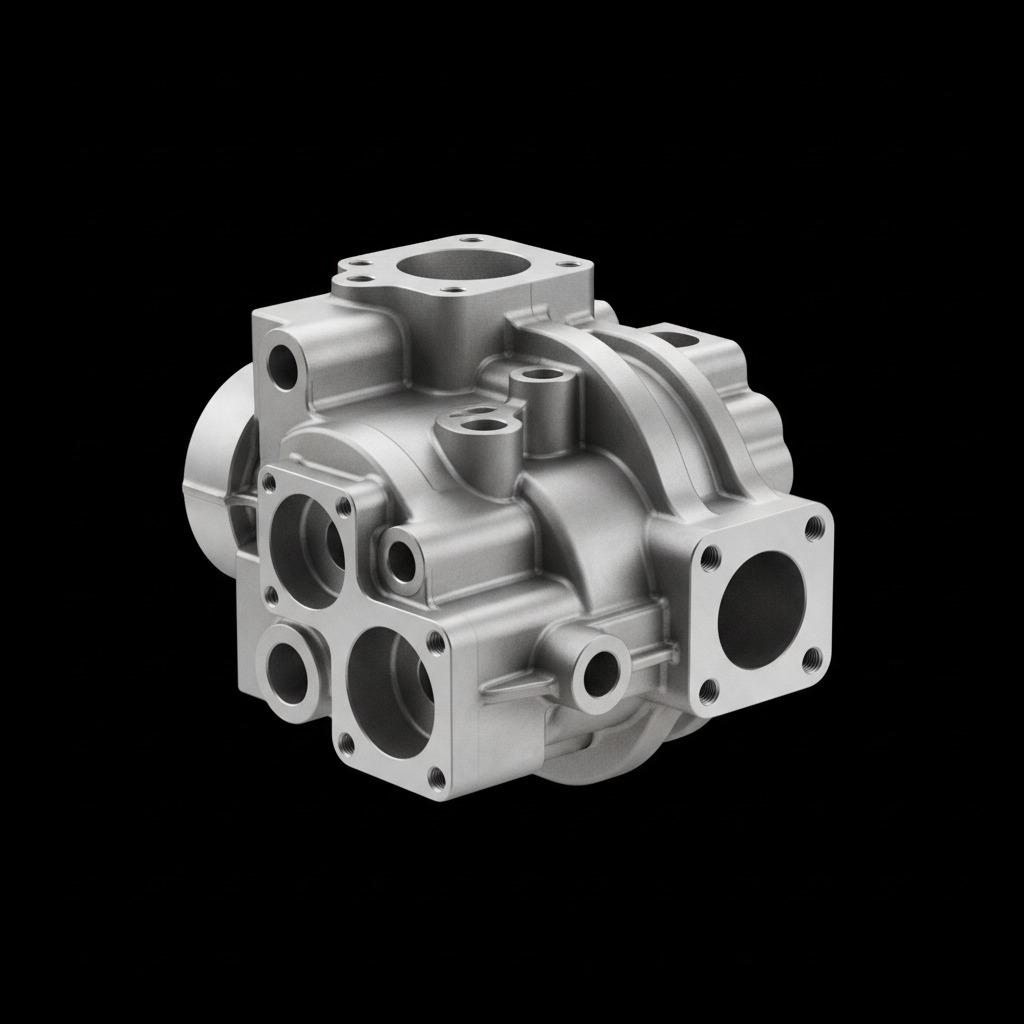
التحكم الرقمي الحاسوبي (CNC)
1. لماذا تُعدّ تقنية التحكم الرقمي بالحاسوب (CNC) مهمة في صناعة الهياكل المصبوبة والأجسام الوظيفية؟ 2. ما الذي يسعى هذا النوع من الأجزاء إلى تحقيقه 3. نصيحة سريعة للمشتري: ما يجب التحقق منه قبل الموافقة على القطعة 4. لماذا تُعدّ عملية التصنيع باستخدام الحاسوب (CNC) خطوة حاسمة؟ 5. معايير التصميم والتوريد الأكثر أهمية 6. الأخطاء الشائعة التي لا يزال المشترون يرتكبونها 7. أسئلة عملية لطرحها على المورد 8. الخطوة التالية
Equipped with advanced precision Swiss machines and complete in-house surface finishing capacity, we provide free DFM analysis and one-stop professional technical consultation for all precision micro component manufacturing projects.